Trump Delivers Profanity-Laced Ultimatum: Iran Must Reopen Strait of Hormuz by 8 PM Tuesday or Face 'Hell'
With oil above $109 per barrel and backchannel ceasefire talks underway, Trump threatened to bomb Iranian power plants and bridges if Tehran does not reopen the vital shipping lane by Tuesday evening.

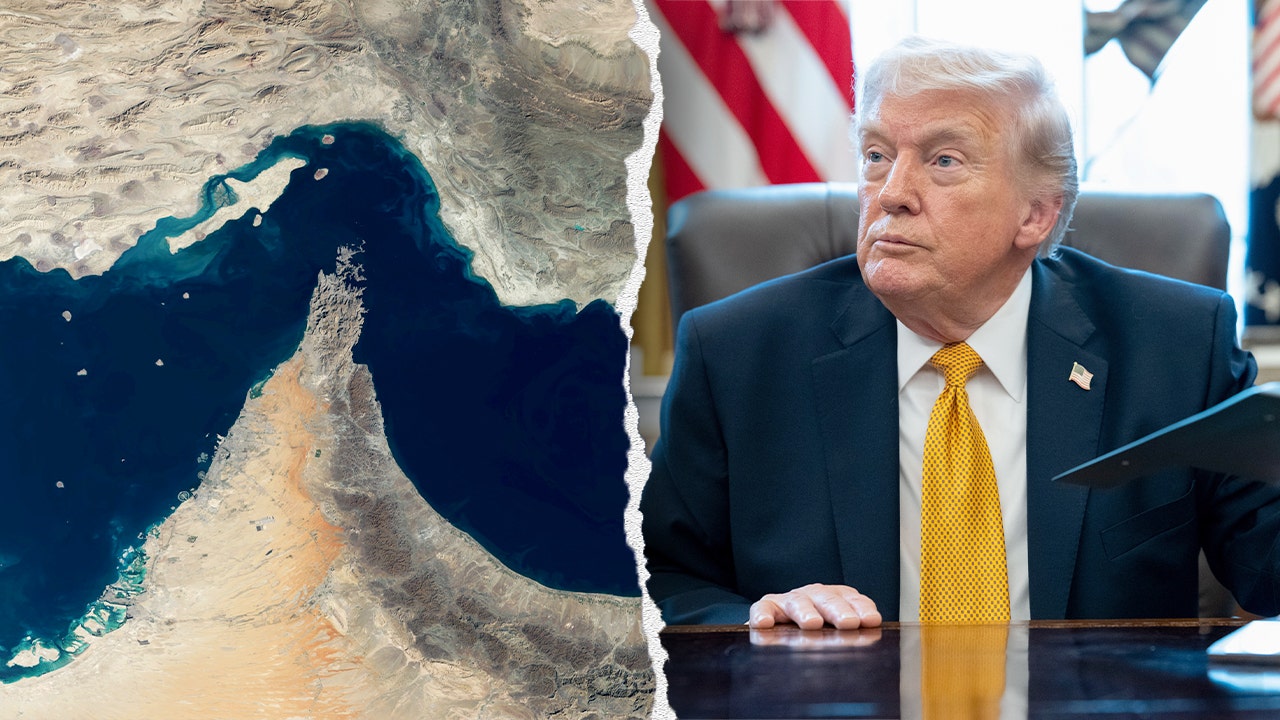
President Donald Trump on Sunday delivered one of his most explosive ultimatums to date, warning Iran it had until 8 p.m. Eastern Time on Tuesday, April 7, to reopen the Strait of Hormuz — or face a devastating military escalation targeting the country's power plants, bridges, and core infrastructure. Speaking in stark, profanity-laced language that sent shockwaves through diplomatic circles, Trump warned Tehran it would be "living in Hell" if it refused to comply.
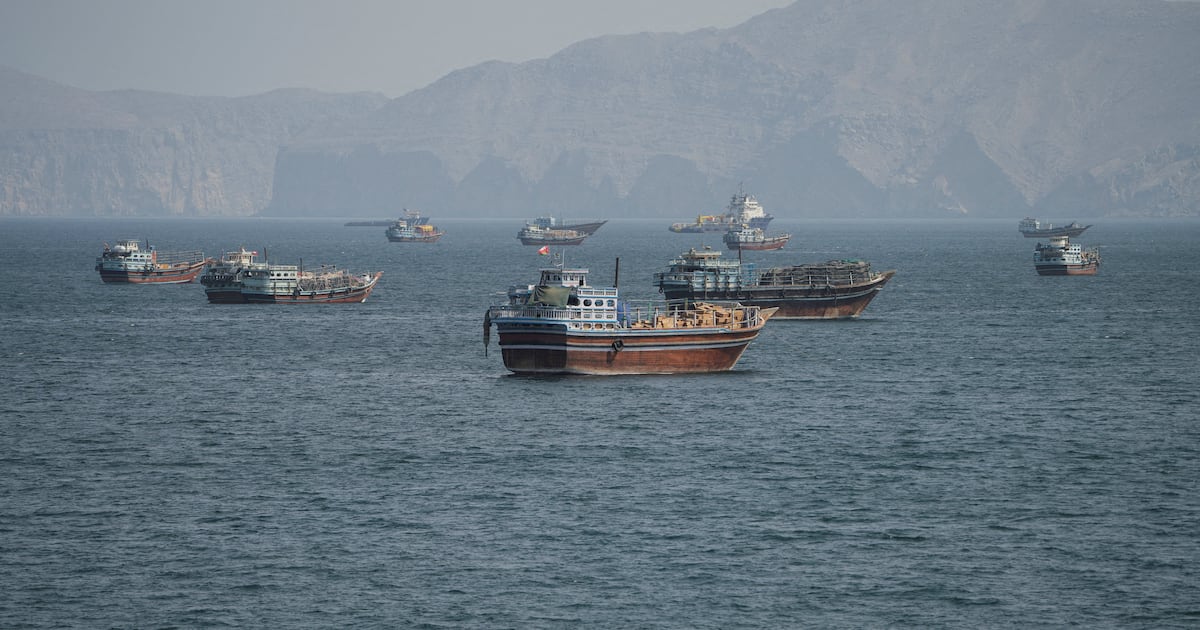
The ultimatum came on Day 37 of the US-Israeli military campaign against Iran, which began in late February after months of escalating tensions. The Strait of Hormuz, through which roughly 20 percent of the world's oil supply passes, has been partially blockaded by Iranian naval forces since the opening days of the conflict. That closure has driven crude oil prices to their highest levels in years, with Brent crude trading at $109.90 per barrel and West Texas Intermediate at $111.63 — both up from $65 before hostilities began.
Iran's military command fired back swiftly, dismissing Trump's ultimatum as "helpless, nervous, unbalanced and stupid." Supreme Leader Ali Khamenei's office said Iran would not be coerced by threats and that the regime was fully prepared for any military escalation. The defiant response came even as backchannel ceasefire negotiations were reportedly underway alongside the public posturing, with Pakistan having proposed a 45-day truce that both sides have yet to formally accept or reject.
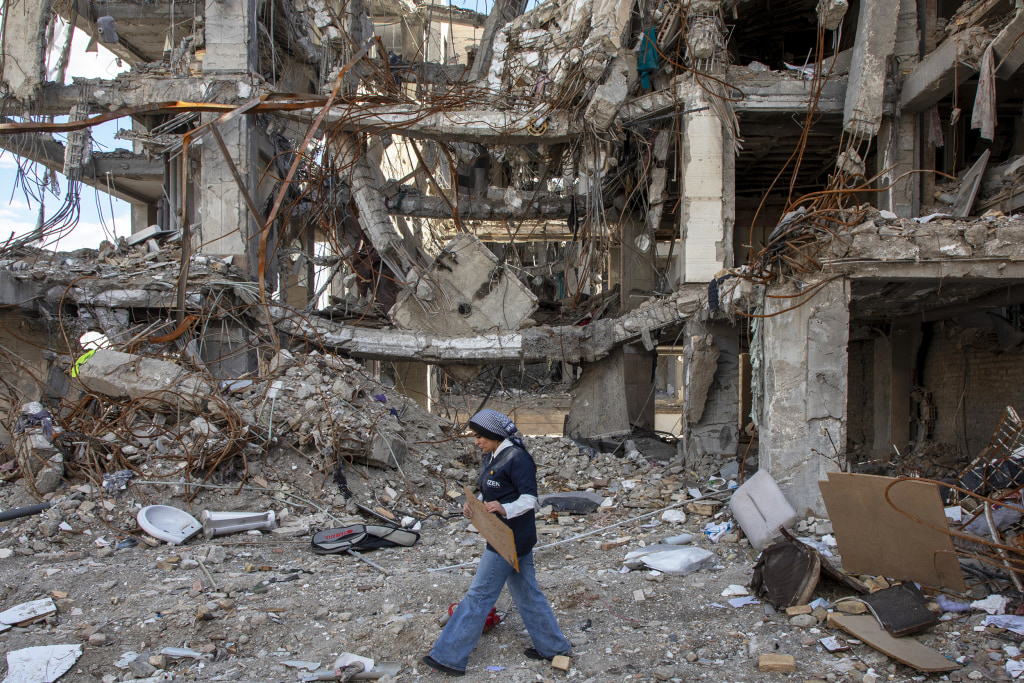
The humanitarian toll of the conflict continued to mount on both sides. Iranian missiles struck a residential building in Haifa, Israel, killing four people overnight. Israel, in turn, struck a petrochemical complex at the Mahshahr Industrial Zone in southwestern Iran, with Iranian state media reporting at least 170 people wounded in that attack. Israeli strikes also killed two senior Islamic Revolutionary Guard Corps officials, while Iran's drones damaged power plants and government buildings in Kuwait and set fire to petrochemical storage facilities in Bahrain. Six children were among those reported killed in overnight US-Israeli strikes on Tehran, according to Iranian state media.
One of the war's most alarming new dimensions emerged on Sunday when Ukrainian President Volodymyr Zelensky revealed that Russia had secretly provided Iran with satellite intelligence identifying more than 50 Israeli energy grid targets — a direct parallel to Moscow's strategy of systematically destroying Ukraine's power infrastructure. Russia had also previously transferred Shahed drone technology to Iran. The disclosure added to mounting pressure on the White House to clarify the scope of the conflict and its connection to the broader struggle in Europe.
At the Bushehr Nuclear Power Plant, Russia evacuated approximately 200 technical staff from the facility's perimeter after Israeli strikes hit nearby infrastructure — a move that raised immediate questions about the safety of the plant and the potential for a nuclear incident. An emergency meeting of OPEC was scheduled for later this week as member nations grappled with the energy crisis and calls mounted for a coordinated response to the oil market disruption.
On the diplomatic front, the White House has not formally responded to the Pakistani ceasefire proposal, and congressional leaders remain divided. House Democratic Minority Leader Hakeem Jeffries had publicly argued that US ground troops should not be deployed to Iran — a position that became difficult to maintain after it emerged that exactly such forces had already been sent in to rescue a downed American airman (see related coverage). European allies continued to pressure Washington to de-escalate, though Press Secretary Ari Fleischer dismissed the criticism as reflexive anti-Trump sentiment rather than genuine concern.
With the Tuesday 8 p.m. deadline hours away and Iran showing no signs of backing down, markets were pricing in the prospect of a further military escalation. US naval assets in the Persian Gulf remained on high alert, and defense officials said additional strike options were prepared and ready to execute on the president's order. Whether Trump follows through or a last-minute diplomatic opening emerges remains the most pressing question in global affairs.