Trump Gives Iran 48-Hour Ultimatum: Open Strait of Hormuz or U.S. Will Obliterate Power Plants
President Trump threatened to destroy Iran's power grid if Tehran doesn't reopen the critical waterway by Monday evening, as Iran launched 180 missiles at two Israeli cities near the country's nuclear research center.
President Trump issued a dramatic 48-hour ultimatum to Iran on Saturday, demanding that Tehran immediately reopen the Strait of Hormuz to international shipping or face the destruction of its entire electrical power infrastructure. The threat came as Iranian forces launched a barrage of approximately 180 ballistic missiles at two Israeli cities located near the country's most sensitive nuclear research facilities.
The ultimatum, delivered through both a formal diplomatic channel via Swiss intermediaries and a characteristically blunt social media post, set a Monday evening deadline for Iran to comply. "Iran has exactly 48 hours to open the Strait of Hormuz to all international shipping or the United States will obliterate every power plant, substation, and electrical facility in the country," Trump wrote. "This is not a negotiation."
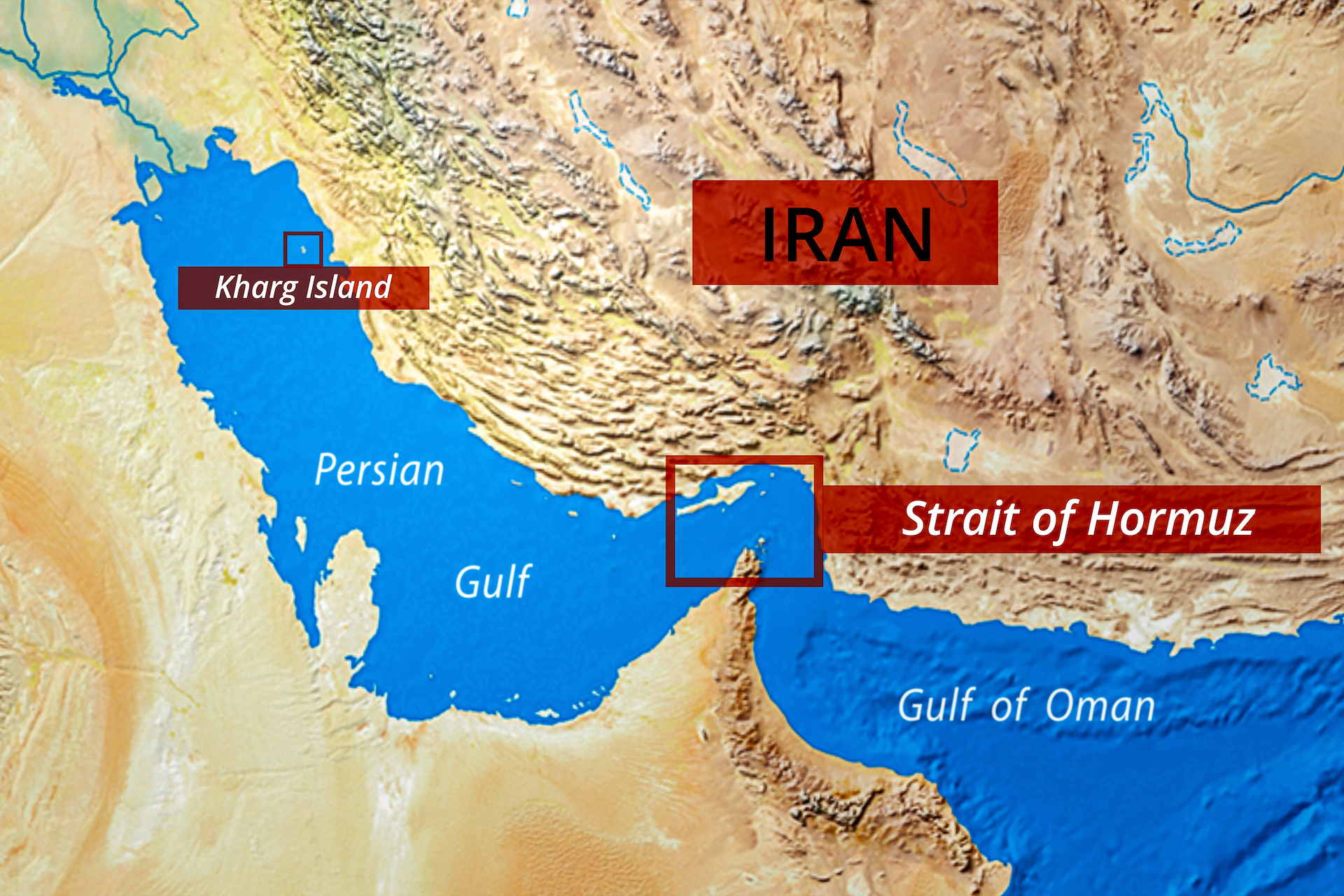
The Strait of Hormuz, a narrow waterway between Iran and Oman through which roughly 20 percent of the world's oil supply transits daily, has been effectively closed to commercial shipping since Iranian Revolutionary Guard naval forces began intercepting and turning back tankers earlier in the conflict. The closure has sent global oil prices surging past $110 per barrel and triggered fuel shortages across parts of Asia and Europe.
Senior Pentagon officials briefed reporters on background about the military options being prepared should Iran fail to comply. The U.S. Central Command has positioned additional bomber assets at bases in Qatar and Diego Garcia, and the aircraft carrier USS Dwight D. Eisenhower strike group has moved into the northern Arabian Sea. Military planners have identified more than 400 targets across Iran's power generation and distribution network.
The Iranian missile strikes on Israel represented one of the largest single salvos of the conflict to date. Iranian state media claimed the attacks targeted military installations near the cities of Dimona and Beersheba, both of which are located in the Negev Desert region associated with Israel's nuclear program. Israeli defense officials said the Iron Dome and David's Sling systems intercepted the majority of incoming missiles, though several struck populated areas, wounding at least 40 civilians.
Iranian Foreign Ministry spokesman Nasser Kanaani rejected Trump's ultimatum as "the language of pirates, not diplomacy" and warned that any attack on civilian infrastructure would constitute a war crime under international law. "The Islamic Republic will respond to any aggression against our nation's critical infrastructure with overwhelming force against American interests throughout the region," Kanaani said at an emergency press briefing in Tehran.
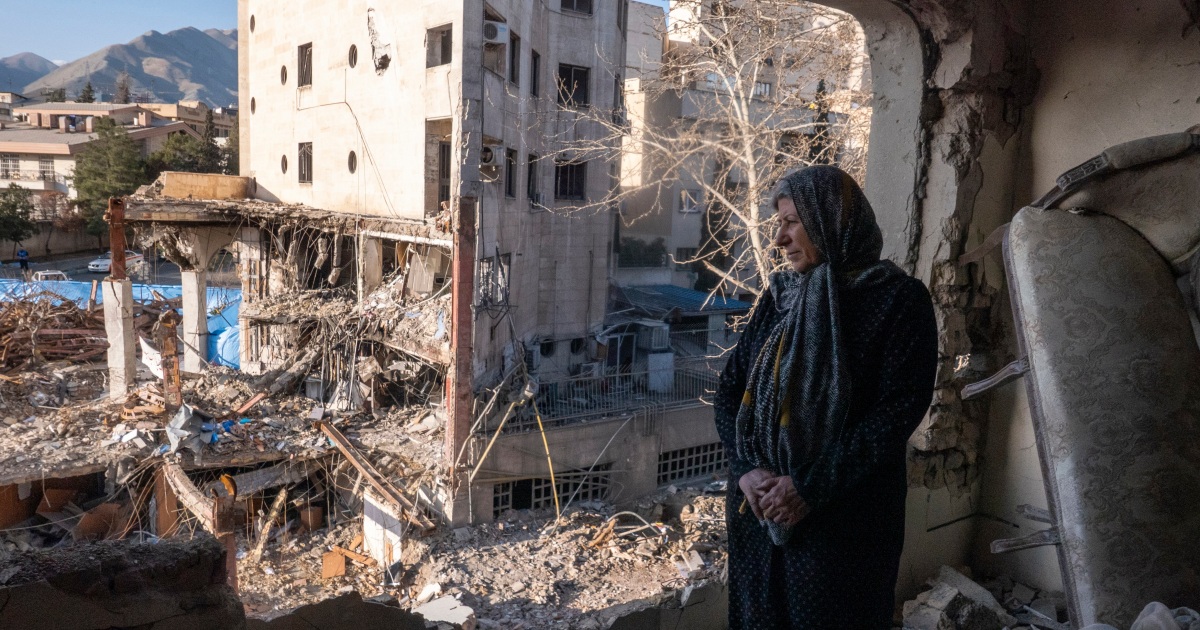
The escalation drew immediate reactions from European allies, several of whom expressed deep concern about the potential humanitarian consequences of targeting Iran's power grid. French President Emmanuel Macron called for "urgent de-escalation" and warned that destroying civilian electrical infrastructure could affect hospitals, water treatment facilities, and millions of ordinary Iranians.
On Capitol Hill, the ultimatum received a mixed response. Republican hawks largely backed the president's stance, arguing that Iran's closure of the strait constituted an act of war against global commerce. Several Democrats, however, called for congressional authorization before any major strike on Iranian infrastructure, citing the War Powers Act and warning that the conflict risked spiraling into a broader regional war.
Oil markets reacted sharply to the news, with Brent crude futures jumping more than 4 percent in after-hours trading. Analysts warned that an actual strike on Iran's power grid could trigger retaliatory attacks on oil infrastructure across the Persian Gulf, potentially removing millions of barrels per day from global supply and pushing prices toward $150 per barrel.