Trump Faces Critical Decision on Ground War in Iran as Negotiations Stall
President wants negotiations but Iran refuses talks until cease-fire declared. Marines and 82nd Airborne offer new leverage but risks escalate quickly.
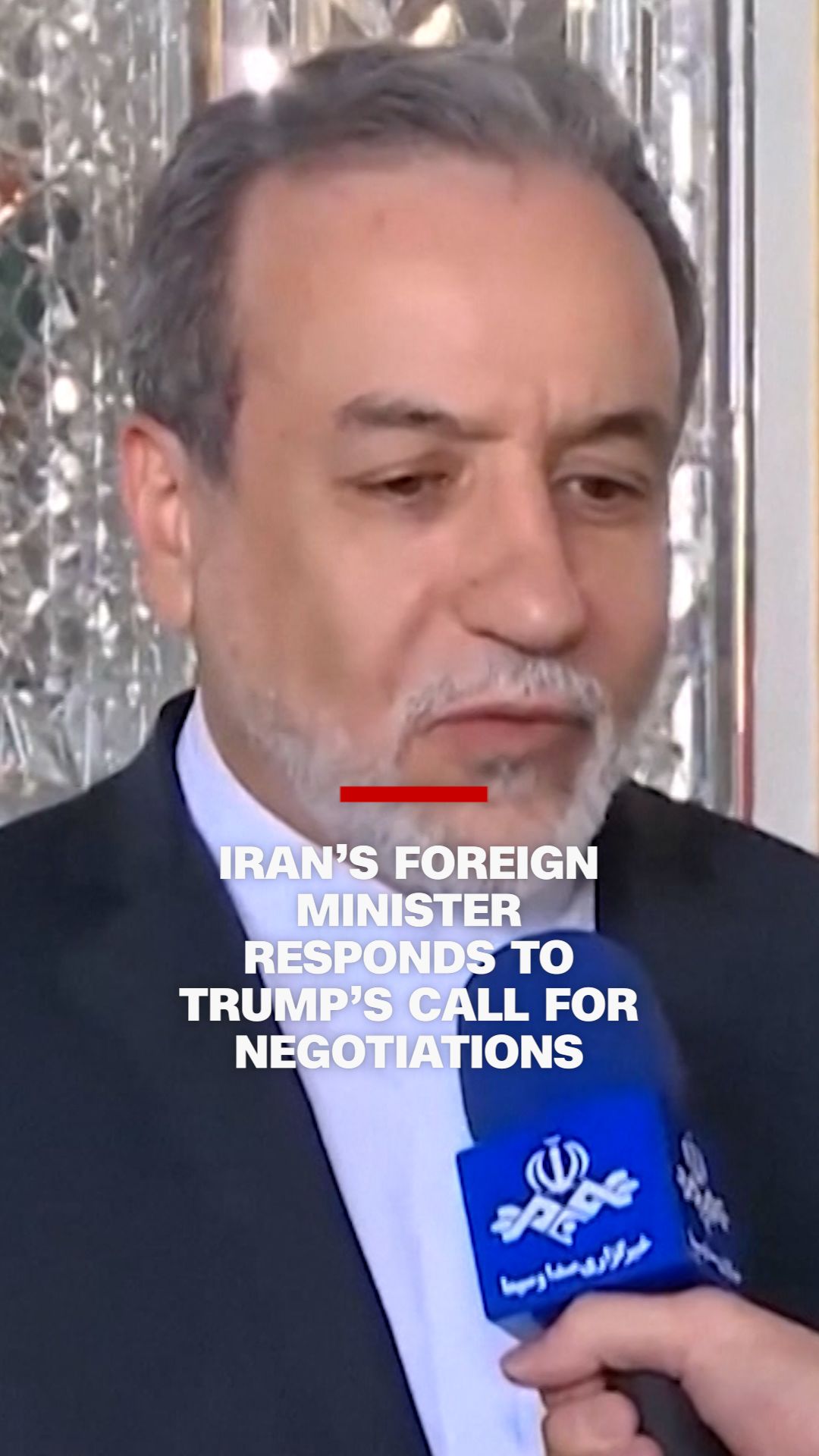
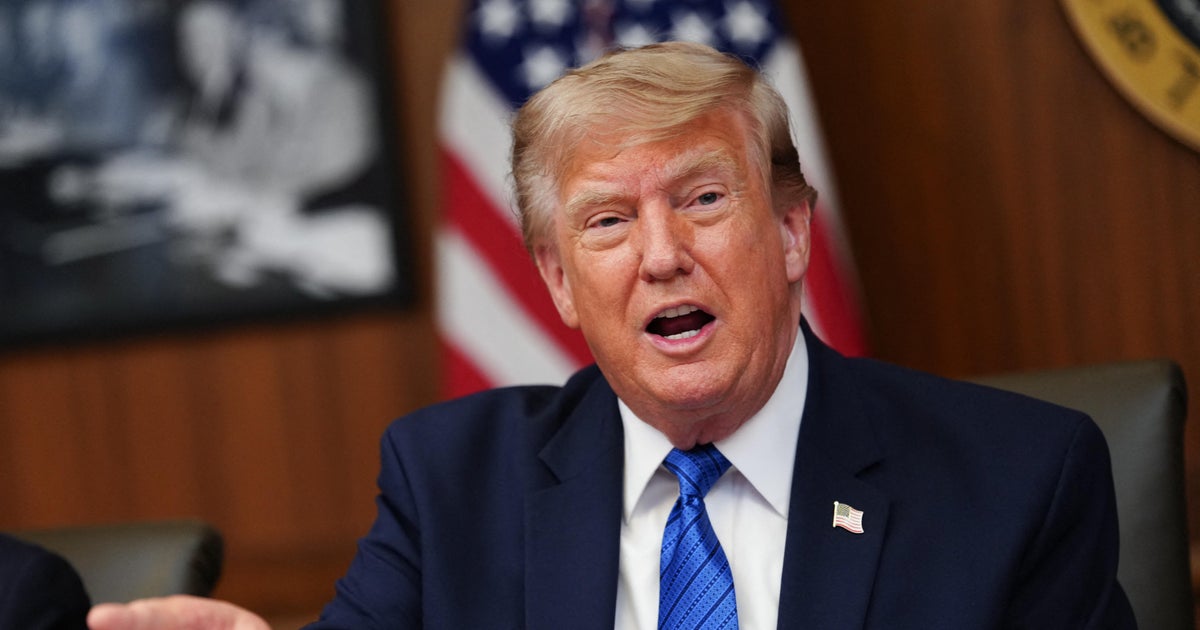
President Donald Trump faces one of the most consequential military decisions of his presidency as tensions with Iran reach a critical juncture. The administration is weighing whether to authorize a ground invasion of Iran after a month of escalating conflict that began on February 28, 2026. The president has repeatedly expressed his preference for a negotiated settlement, but Iranian officials have categorically refused to engage in talks until the United States declares a cease-fire and withdraws its forces from the Persian Gulf region.
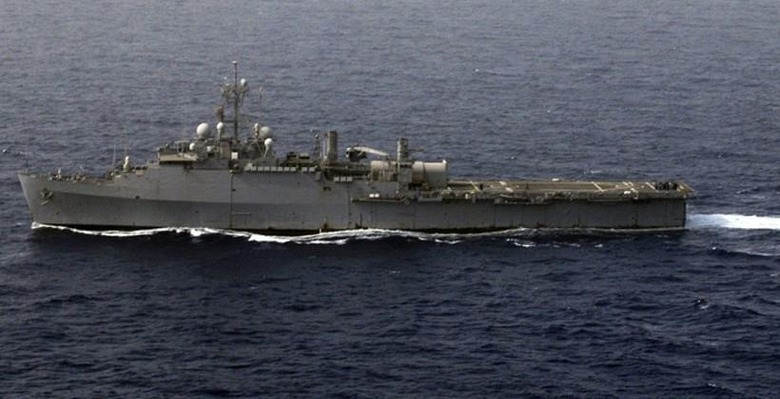
The deployment of additional U.S. forces, including Marines and elements of the 82nd Airborne Division, has provided Trump with new military options and increased leverage in potential negotiations. These elite units, known for their rapid deployment capabilities and combat effectiveness, represent a significant escalation in American military presence in the region. Defense officials believe their presence could force Iran to reconsider its negotiating position, though Pentagon planners warn that any ground operation would carry enormous risks.
The conflict has already had devastating economic consequences, with Persian Gulf oil exports effectively shut down by Iranian actions and U.S.-Israeli airstrikes on Iranian infrastructure. Global oil prices have surged past $100 per barrel, driving gas prices in the United States to an average of $4 per gallon for the first time since 2022. The economic pressure is mounting on the Trump administration to find a resolution, even as military advisors present increasingly aggressive options.
Military analysts caution that a ground invasion of Iran would represent a massive undertaking, requiring hundreds of thousands of troops and potentially lasting years. Iran's mountainous terrain, large population, and military capabilities would make any invasion extremely costly in terms of both lives and resources. The country's Revolutionary Guard Corps has spent decades preparing for asymmetric warfare against a technologically superior adversary, and intelligence assessments suggest they are prepared for a prolonged resistance campaign.
The president's decision timeline remains unclear, but pressure is building from multiple directions. Congressional leaders from both parties have demanded consultation before any ground invasion, while regional allies have expressed concerns about the wider implications of a full-scale war. Trump administration officials say the president is carefully weighing all options, including diplomatic overtures through third-party intermediaries, but acknowledge that Iran's refusal to negotiate has severely limited peaceful alternatives to military action.