Trump Considers Exit From Iran War as Gas Prices Surge Over 30% in Some States
President says he is weighing 'winding down' operations despite unaccomplished war goals as fuel costs devastate household budgets across the South and Southwest.

President Trump said Friday that he is considering options for winding down military operations against Iran, acknowledging for the first time that the conflict's economic toll on American households may outweigh its strategic benefits. The remarks, made during an impromptu press gaggle at the White House, came as gas prices in several Southern and Southwestern states climbed past the 30 percent increase threshold, fueling voter anger and posing a growing political liability for the administration.
Trump told reporters that while the military campaign had achieved significant objectives in degrading Iran's military capabilities, he was weighing whether continued operations were worth the cost to American consumers. He described himself as open to a negotiated settlement that would allow the United States to claim a measure of success while easing the economic pressure that has become the dominant domestic issue of his second term.
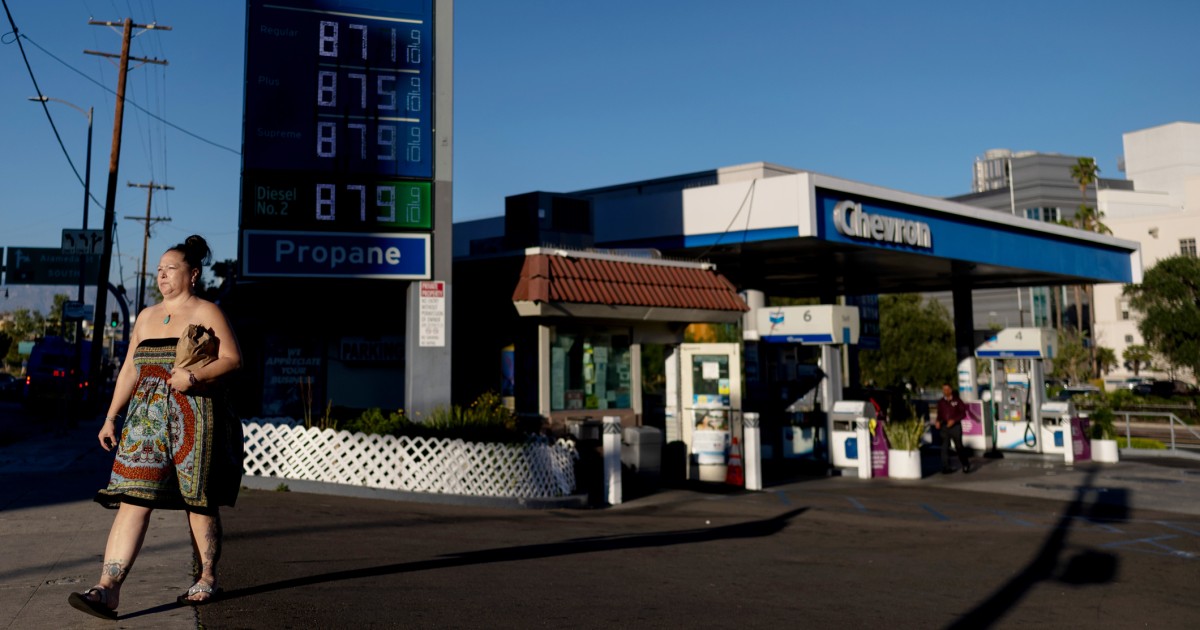
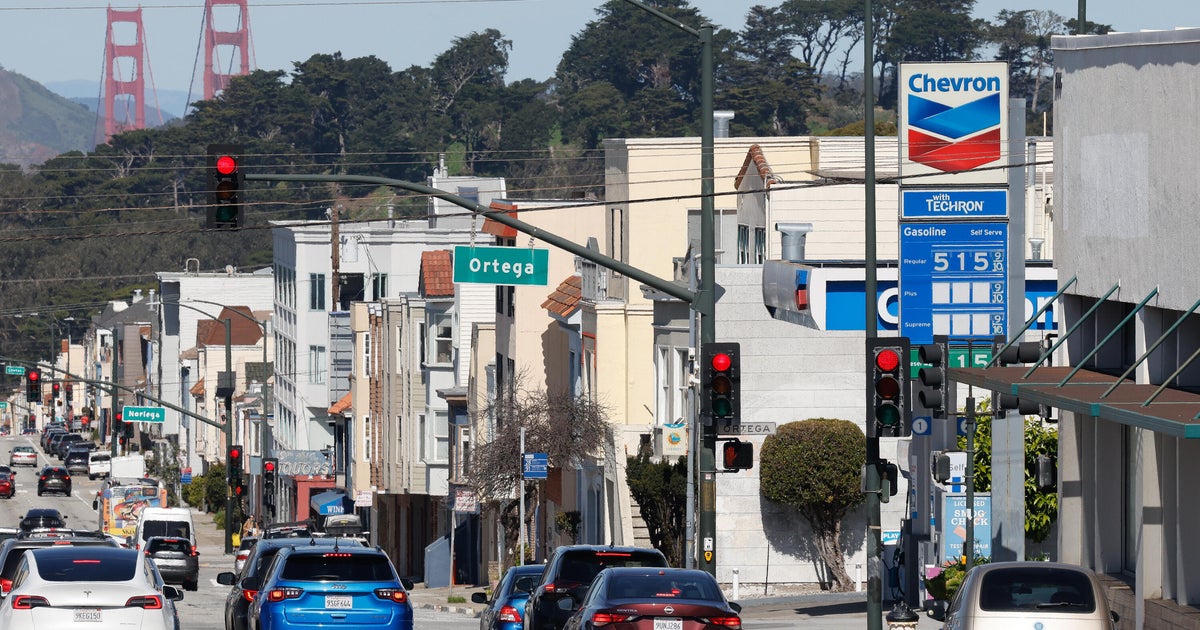
The president's comments represented a notable shift from the confident rhetoric that characterized the early weeks of the conflict. When the United States launched strikes against Iran in late January, Trump framed the operation as a decisive action to neutralize a threat to regional stability and global energy security. Two months later, the war has produced the opposite of its stated energy security goals, with oil prices climbing past $115 per barrel and gas station prices devastating household budgets.
Administration officials moved quickly to qualify the president's remarks, insisting that no decision had been made and that all options remained on the table. National Security Adviser Mike Waltz said the United States retained the military capability to escalate operations if necessary and that any diplomatic resolution would require Iran to make meaningful concessions on its nuclear and missile programs.
The tension between the war's unaccomplished strategic goals and its mounting economic costs has created a difficult dilemma for the administration. Military planners have privately assessed that many of the campaign's original objectives, including the destruction of Iran's nuclear enrichment capacity and the neutralization of its ballistic missile infrastructure, remain far from achieved. Winding down operations without accomplishing these goals would expose the administration to charges of strategic failure.
Congressional reaction to Trump's remarks was divided along predictable lines. Democrats seized on the comments as an admission that the war was ill-conceived and called for an immediate ceasefire. Republican hawks warned that any premature withdrawal would embolden Iran and undermine American credibility in the region. A smaller group of Republican populists aligned with Trump's economic concerns, arguing that the war's impact on working families could not be sustained.
The gas price crisis has been particularly acute in states that form the core of Trump's political coalition. Texas, where average prices have risen 32 percent, and Florida, which has seen increases of 28 percent, are home to millions of voters who supported Trump in large part because of his promises to deliver economic prosperity. The disconnect between those promises and the current reality has created an opening for political opponents in both parties.
Energy analysts said any diplomatic resolution to the conflict would take time to produce relief at the gas pump. Even if hostilities ceased immediately, the damage to Persian Gulf energy infrastructure would keep global oil supplies constrained for months. Rebuilding production capacity could take years, meaning that some degree of elevated energy costs is likely to persist regardless of the conflict's trajectory.
For the White House, the challenge is finding an exit that can be credibly framed as a success while stopping the economic bleeding that threatens to define the administration's legacy.