Trump Calls NATO 'COWARDS,' Rejects Iran Ceasefire and Dispatches More Marines as Alliance Ruptures
President Trump castigated NATO allies as a 'paper tiger' for refusing to help reopen the Strait of Hormuz, declared he has no interest in a ceasefire while 'obliterating' Iran, and confirmed a second Marine expeditionary deployment to the Middle East.

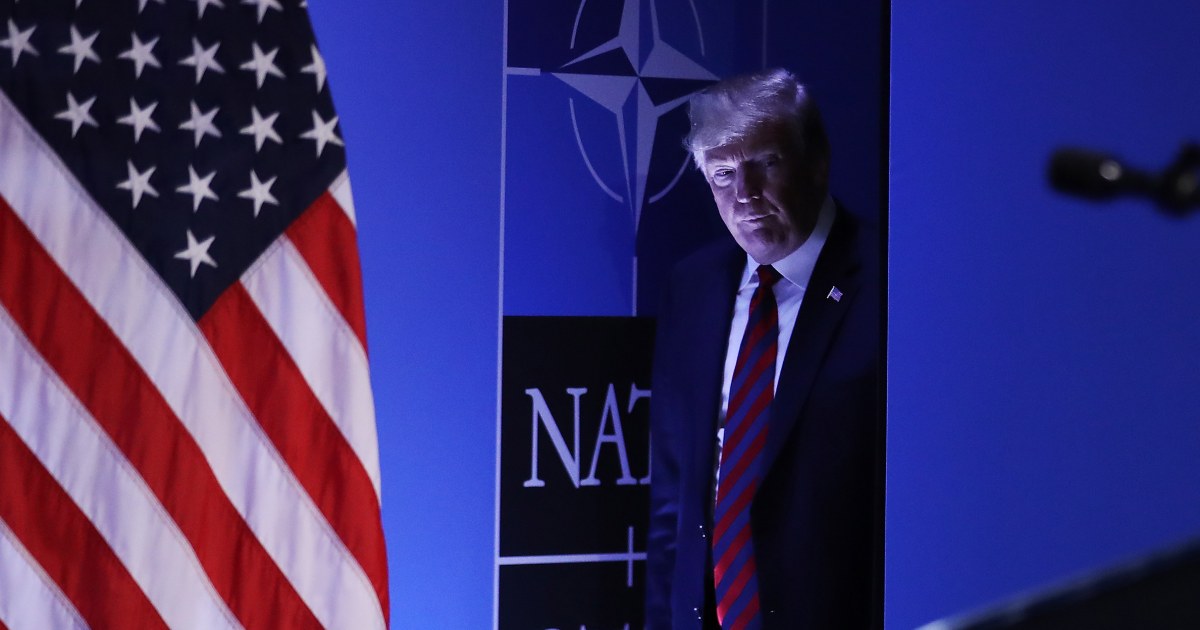
President Donald Trump on Friday unleashed a furious broadside against the United States' NATO allies, calling them "COWARDS" and denouncing the 76-year-old military alliance as "A PAPER TIGER" after European members rebuffed his demands to send forces to help reopen the Strait of Hormuz. The confrontation, coming three weeks into the US-Israel war against Iran, exposed deep rifts within the Atlantic alliance at a moment of maximum global tension and drew the sharpest rebuke of America's closest partners from any sitting president in modern history.
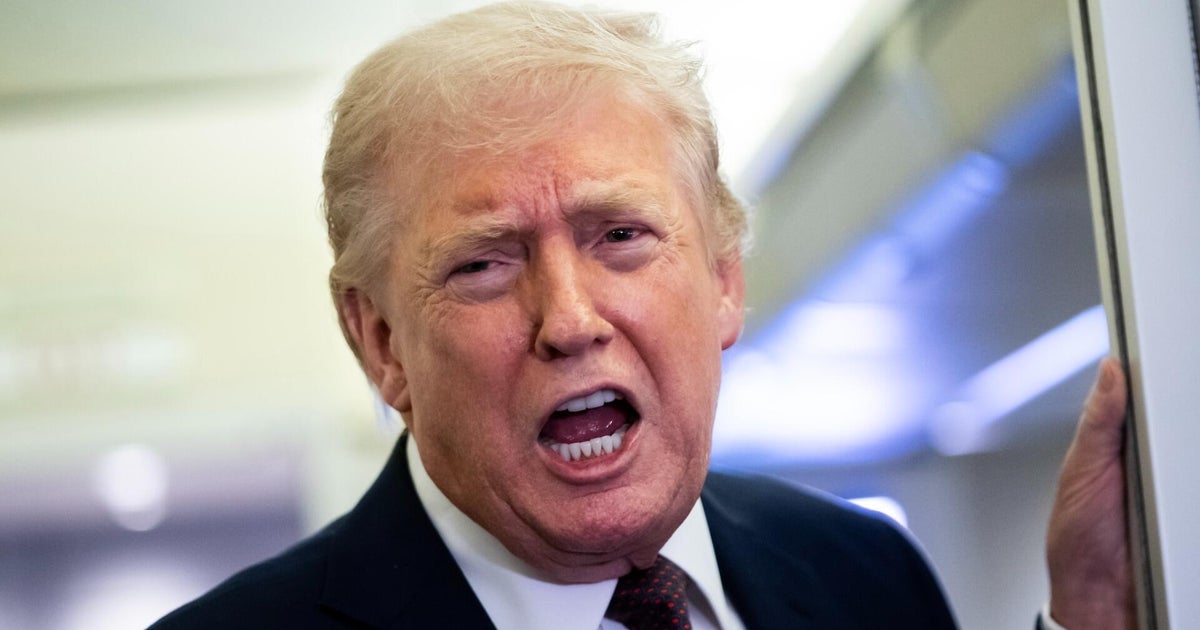
Trump made his remarks at the White House Friday morning before departing for Palm Beach, and underscored them with a pair of Truth Social posts that lit up diplomatic channels across Europe. "Without the U.S.A., NATO IS A PAPER TIGER!" he wrote, before adding: "They didn't want to join the fight to stop a Nuclear Powered Iran, and now they want to complain about the oil prices they are forced to pay. COWARDS, and we will REMEMBER!" The posts came after Germany's defense minister, Boris Pistorius, told reporters in Berlin, "This is not our war; we did not start it," and British Prime Minister Keir Starmer said London "will not be drawn into the wider war." France, Italy, Canada, and Japan offered similar positions. Trump told White House reporters, "I think NATO's making a very foolish mistake. This was a great test because we don't need them, but they should have been there."
At the heart of the dispute is the Strait of Hormuz — the narrow chokepoint linking the Persian Gulf to the open ocean through which roughly 20 percent of the world's daily oil and natural gas supply normally flows. The strait has been effectively closed to commercial shipping since the early days of the war, as Iranian fast-attack vessels, drone swarms, and shore-based missiles have made transit prohibitively dangerous. Brent crude settled Friday at approximately $108 per barrel, a 48 percent surge from pre-war levels, while US retail gasoline prices approached $4 per gallon. The White House has tapped the Strategic Petroleum Reserve and fast-tracked drilling permits, but analysts say neither measure comes close to replacing the roughly 20 million barrels per day ordinarily transiting the strait. Trump insisted Friday that "at a certain point, it'll open itself," adding that the United States did not actually need the waterway — a claim that conflicted with multiple administration statements from earlier in the week.
Even as Trump's rhetoric escalated, the Pentagon confirmed that approximately 2,200 additional Marines and three additional warships were steaming toward the Middle East — the second such deployment since the conflict began on February 28. US Central Command disclosed that 232 American service members have been injured since fighting began, with 207 returning to duty. Defense Secretary Pete Hegseth said Thursday that the US has struck more than 7,000 targets across Iran, and a senior Pentagon official confirmed that Thursday's strike package was the largest of the war. Treasury Secretary Scott Bessent signaled separately that the administration was considering easing sanctions on Iranian crude exports at sea, a move that would effectively lift one of the primary US economic weapons against Tehran in exchange for short-term oil market stabilization.
NATO Secretary General Mark Rutte attempted to defuse the confrontation, saying he had been in extensive contact with member governments and that allies were "discussing the best collective path to restore freedom of navigation" in the strait. Seven nations — the United Kingdom, France, Germany, Italy, the Netherlands, Japan, and Canada — signed a joint statement expressing support for freedom of navigation and a willingness to coordinate on commercial shipping safety, stopping well short of Trump's demand for a formal military escort operation. European officials privately told reporters that Trump's framing of the request — issued as an ultimatum rather than a consultative ask — had made it politically impossible for governments facing domestic pressure over the Iran war to agree publicly. With the 2026 US midterm elections on the horizon and questions mounting in Congress about the legal basis for the war, Trump's NATO attack set off a new wave of speculation about whether the president might use the alliance's reluctance as a pretext to revisit US commitments to collective defense under Article 5.