Trump Backs Down From Iran Threats as Pakistan Brokers Last-Minute Ceasefire
President agrees to two-week ceasefire after threatening to 'wipe out Iran's civilization' unless Strait of Hormuz reopened by midnight deadline.

President Donald Trump announced a two-week ceasefire with Iran on Monday, stepping back from an ultimatum that had threatened to escalate a 39-day military campaign into an all-out war — doing so approximately 90 minutes before an 8 p.m. ET deadline during which he had warned that "a whole civilization will die tonight."
The announcement capped one of the most dramatic days of the US-Iran conflict, which began in late February when American and Israeli forces launched coordinated strikes on Iran in response to Tehran's disruption of shipping through the Strait of Hormuz. On Monday, Trump had given Iran until 8 p.m. to fully reopen the strait or face "complete demolition" of its power plants and major bridges. He posted to social media that the failure to comply would mean "a whole civilization will die tonight" — language that drew condemnation from Pope Leo XIV, who called the threats "truly unacceptable," and from Democratic lawmakers who said intentionally targeting civilian infrastructure would constitute a war crime.
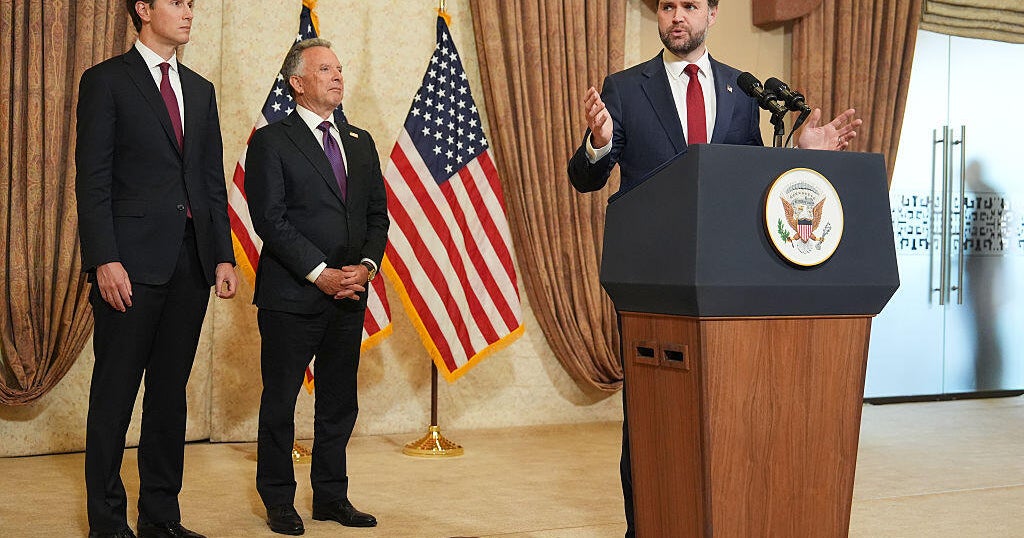
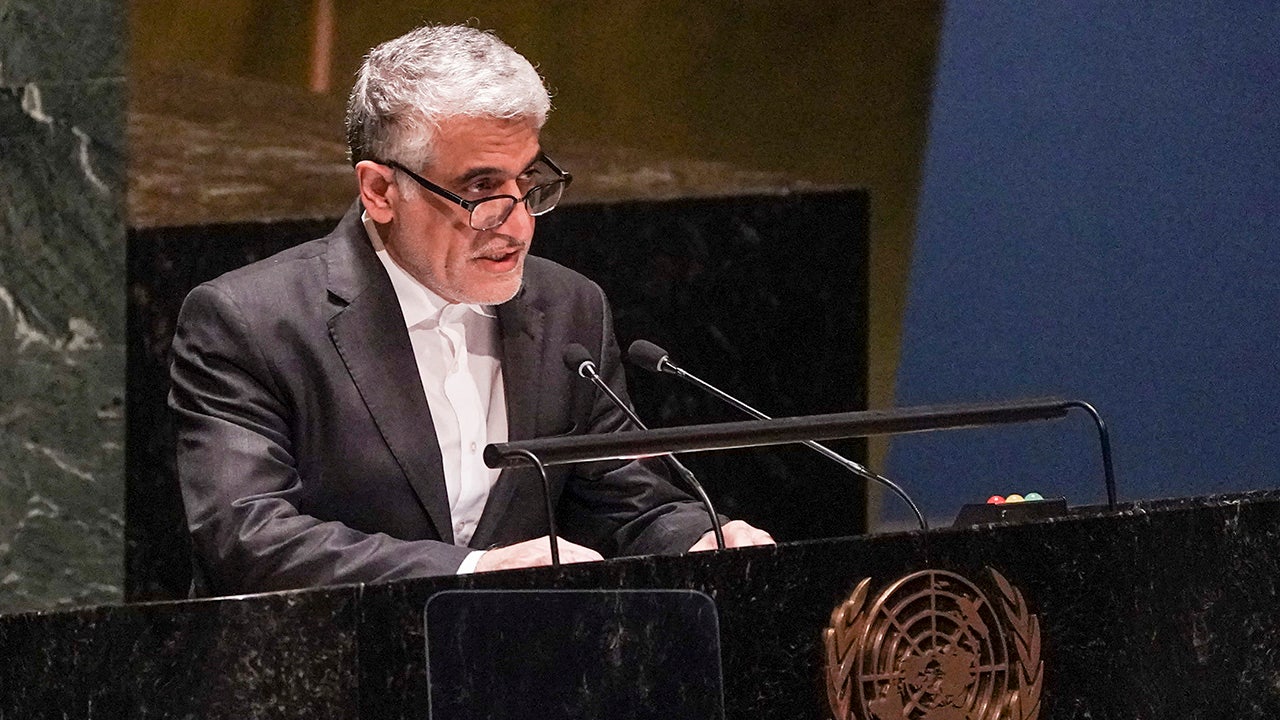
Pakistan played a pivotal behind-the-scenes role in brokering the agreement. Pakistani Prime Minister Shehbaz Sharif, who had publicly urged Trump to extend his Iran deadline by two weeks, emerged as the key mediator. Vice President JD Vance will serve as the US lead negotiator at peace talks scheduled to begin Friday in Islamabad, with Pakistan hosting the first formal ceasefire discussions. Iran's Supreme National Security Council confirmed it accepted the ceasefire, and Foreign Minister Abbas Araghchi formally announced Iran's agreement to the pause in fighting.
The ceasefire announcement triggered an immediate and dramatic reaction in global markets. West Texas Intermediate crude oil fell roughly 9 percent to approximately $96 per barrel after briefly trading above $120 during peak war anxiety earlier in the week. Oil markets had been severely stressed throughout the conflict, with the US Energy Information Administration having forecast gasoline prices peaking at $4.30 per gallon this month. Following the announcement, futures fell sharply and equity markets surged worldwide.
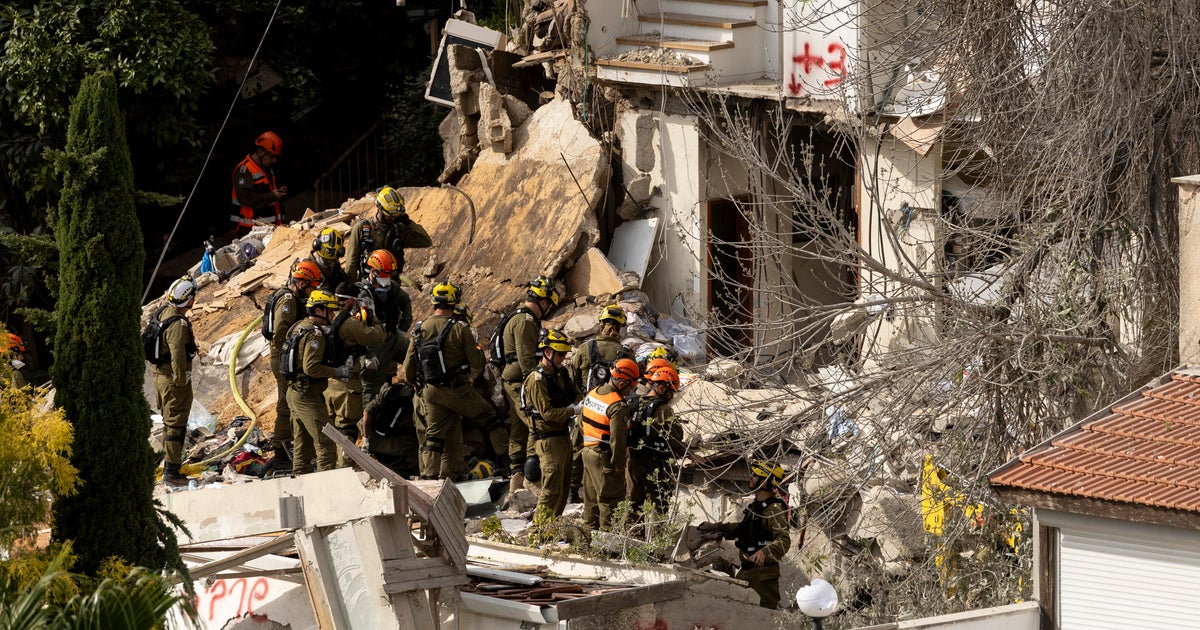
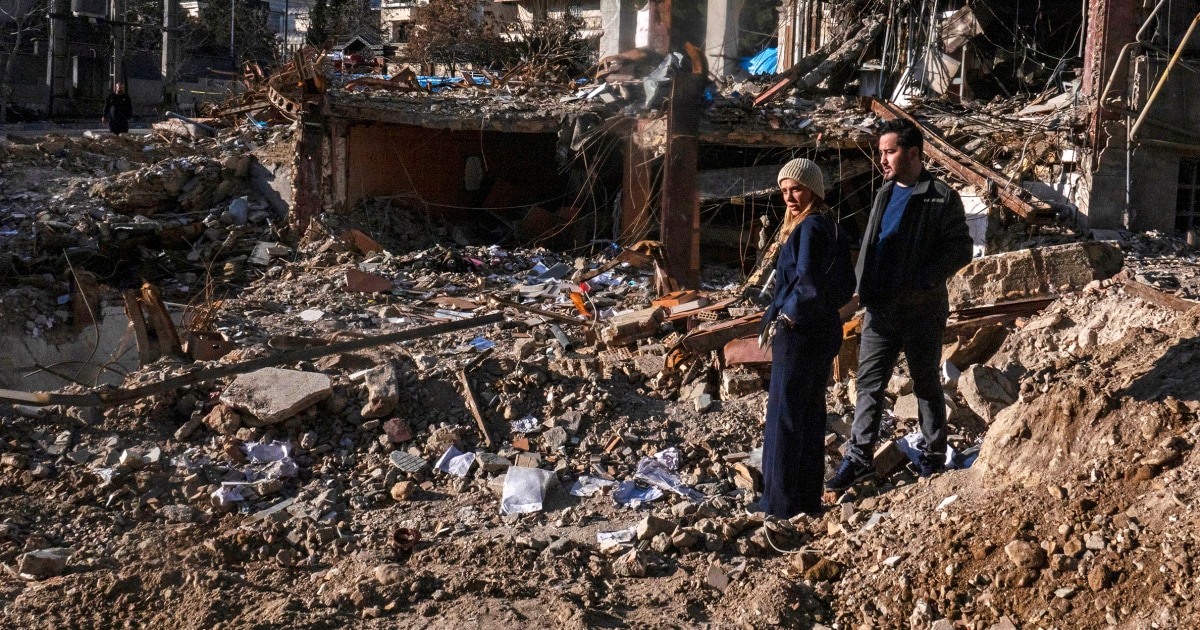
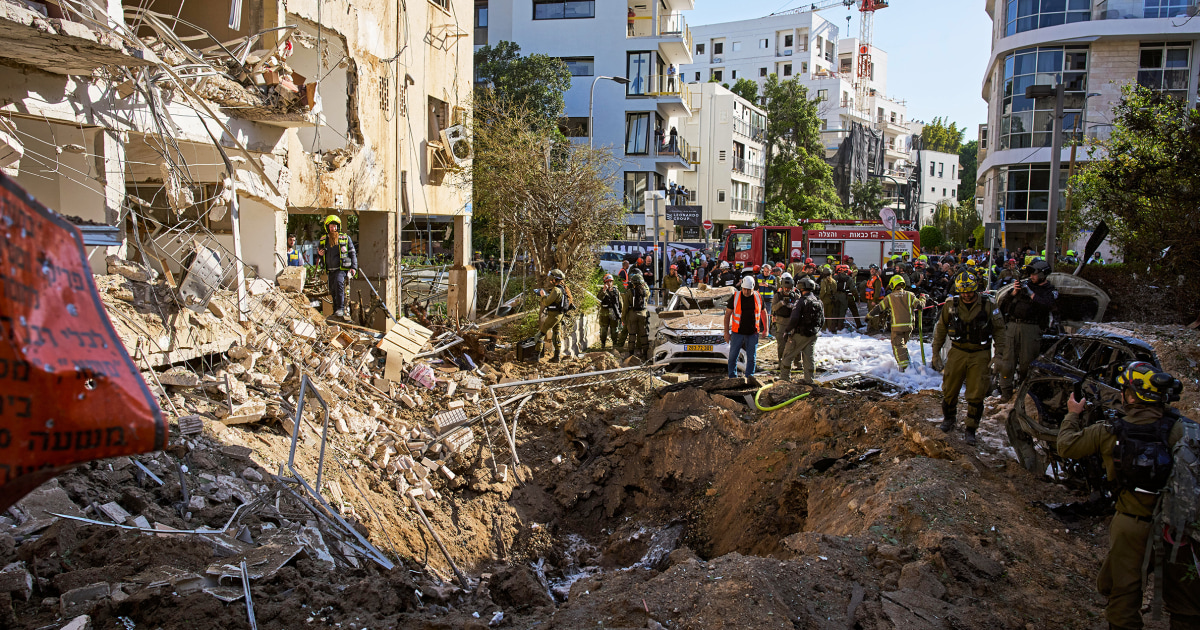
The final hours before the ceasefire had seen intense military activity. Israeli forces struck Iran's largest petrochemical complex near the South Pars gasfield — the world's largest natural gas reserve — and attacked three airports. Fifteen US service members were wounded in an Iranian drone strike on Kuwait's Ali Al Salem Air Base. Saudi Arabia intercepted more than 18 drones and seven ballistic missiles over its Eastern Province. An Iranian missile killed at least four people in a residential building in Haifa, Israel. A joint US-Israeli airstrike killed 34 people in Iranian cities, with six of the dead reported to be children.
Iran had previously rejected a 45-day ceasefire proposal, demanding instead permanent peace guarantees, withdrawal of US combat forces from the region, lifting of all sanctions, restoration of Iranian control over the Strait of Hormuz arrangements, and an end to ongoing military operations against Hamas, Hezbollah, and the Houthis. The two-week pause is significantly shorter than Iran's initial demands but represents the first agreed pause since the conflict began. Analysts cautioned that the fundamental disputes driving the war remain unresolved, and that the Islamabad talks will face formidable obstacles.