Trump Acknowledges Gas Prices May Not Drop Before Midterms as GOP Fears Mount
President sends mixed signals on energy costs amid Iran conflict, sparking fresh concerns among Republicans about November elections.

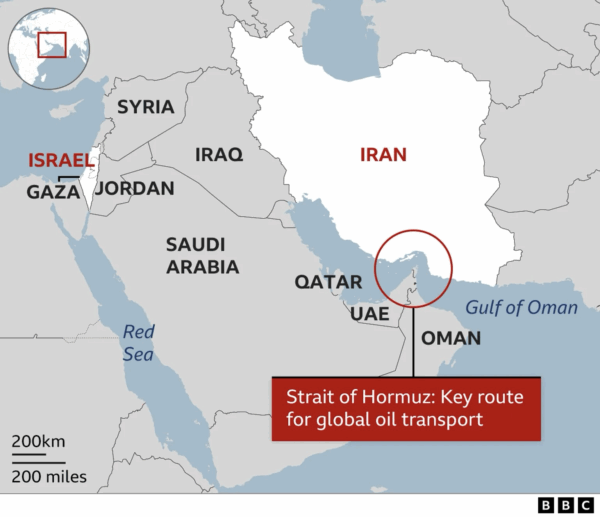
President Donald Trump acknowledged Sunday that gasoline prices might not decline significantly before the November midterm elections, sending mixed messages about energy costs that have surged due to the ongoing conflict with Iran. The admission has sparked fresh concerns among Republican lawmakers who view high energy prices as a major political liability heading into what is expected to be a challenging electoral cycle for the party.
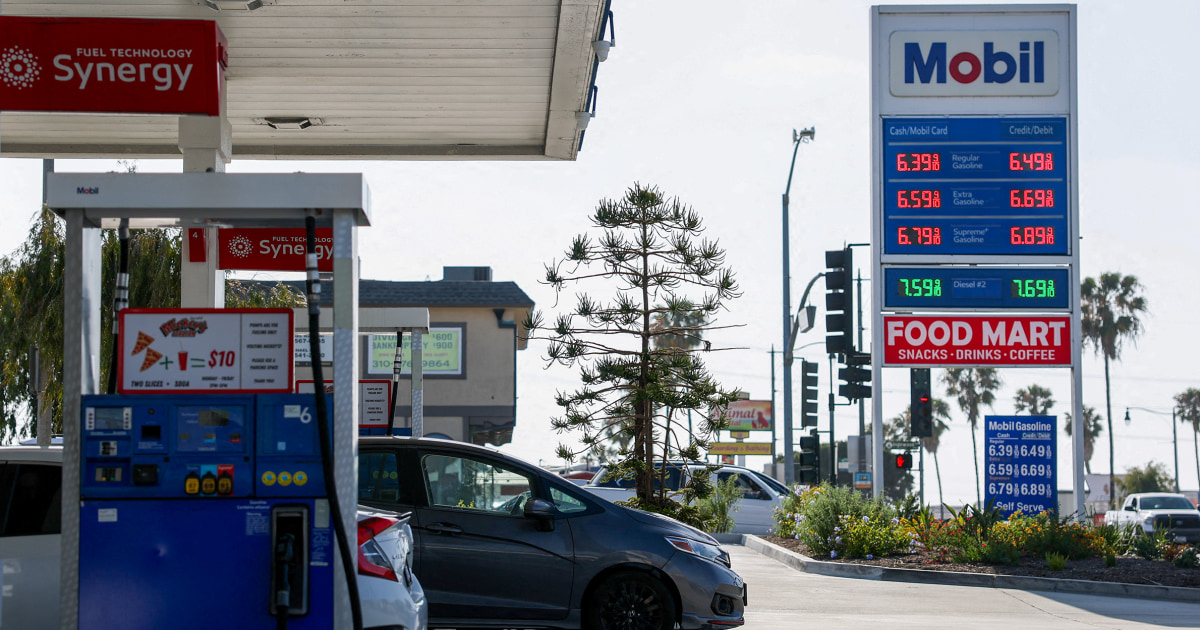
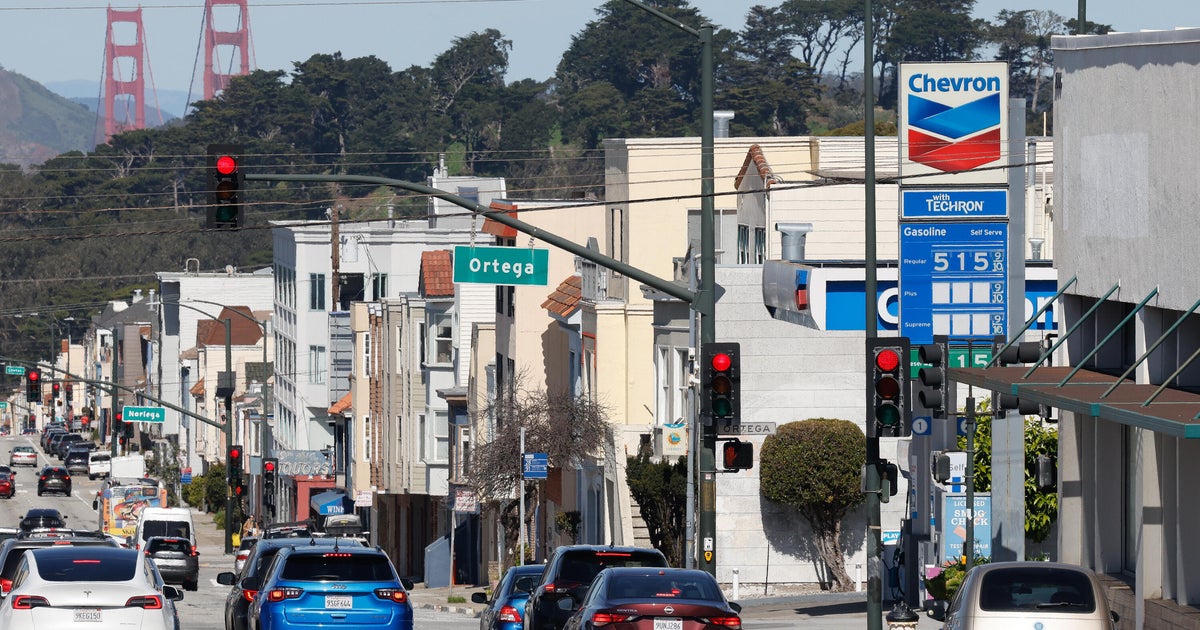
Trump's comments represent a notable shift from his earlier confident predictions about quickly bringing down fuel costs through domestic production increases and strategic petroleum reserve releases. The president's acknowledgment comes as average gas prices have climbed steadily since the Iran conflict began, with some regions seeing costs exceed $5 per gallon for the first time since 2022. Political strategists from both parties view energy prices as a key indicator that could significantly influence voter sentiment in November.
Republican Party officials have privately expressed concern that sustained high gas prices could undermine the party's messaging on economic competence and energy independence. Several GOP lawmakers have begun distancing themselves from some of the administration's more aggressive energy policies, particularly those related to the Iran conflict that have contributed to market volatility. The president's Sunday comments have only amplified these concerns within the party ranks.
The political implications of persistent high energy costs extend beyond the immediate electoral cycle, potentially affecting Trump's broader domestic agenda and foreign policy approach. Energy prices have historically played a crucial role in midterm elections, often serving as a barometer for voter satisfaction with incumbent administrations. Republicans had hoped that increased domestic production would insulate Americans from global energy market disruptions.
Democratic opponents have seized on Trump's acknowledgment as evidence of failed energy policies and poor crisis management. They argue that the administration's confrontational approach to Iran has unnecessarily destabilized global energy markets while failing to deliver on promises of American energy dominance. The political debate over energy costs is likely to intensify as the midterm elections approach, with both parties viewing gas prices as a potential deciding factor in congressional races across the country.