Supreme Court Expands Police Qualified Immunity in 6-3 Ruling, Making Civil Rights Lawsuits Harder to Win
In Zorn v. Linton, the majority ruled that an officer who arrested a nonviolent protester was shielded from liability because the specific circumstances weren't 'clearly established' as unconstitutional by prior case law.
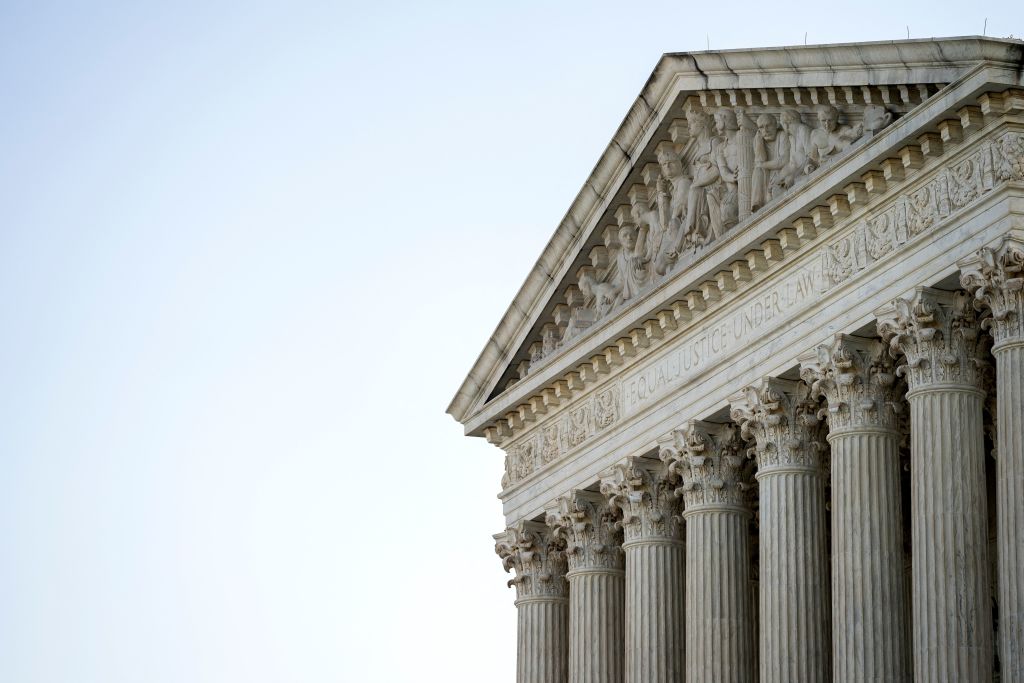
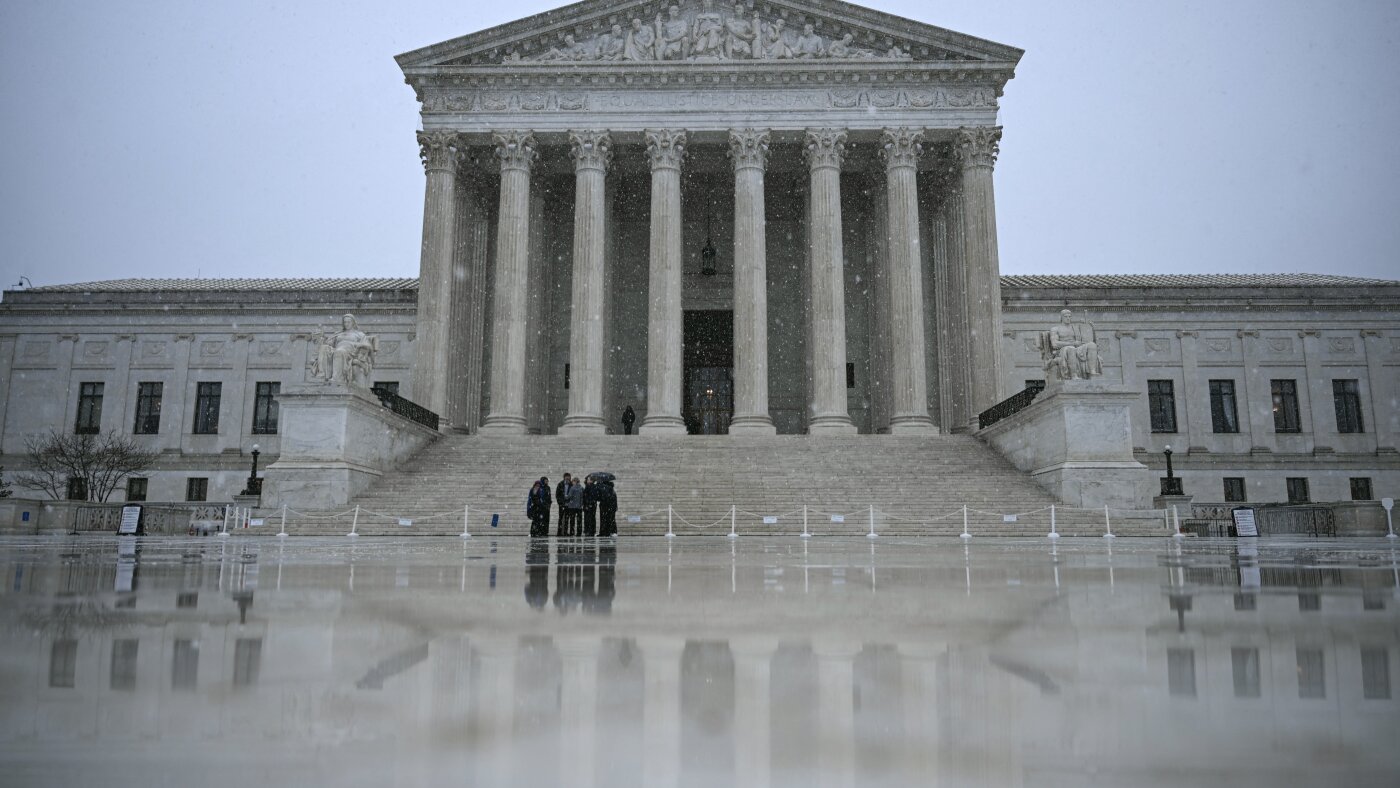
The Supreme Court ruled 6-3 this week in Zorn v. Linton to reverse a lower court decision that had denied qualified immunity to a Vermont detective who arrested a nonviolent protester at a 2015 sit-in, reaffirming and potentially expanding the legal shield that has historically made it difficult for victims of police misconduct to obtain damages in federal court. The majority opinion held that officials retain qualified immunity unless clearly established prior case law would have put a reasonable officer on notice that their specific conduct was unconstitutional — and that a 2004 circuit precedent did not meet that exacting standard in this case. The three liberal justices, led by Justice Sonia Sotomayor, dissented sharply.
The case centered on the arrest of a nonviolent demonstrator at a small sit-in protest at a Vermont business, where detective Jacob Zorn had participants removed under a disorderly conduct statute. A federal district court initially denied Zorn immunity on the grounds that the arrest violated clearly established First Amendment rights, and a three-judge panel of the Second Circuit affirmed. The Supreme Court reversed, ruling that while the general principle against arresting peaceful protesters was established, the specific factual circumstances of Zorn's actions were not so clearly prohibited by existing precedent that a reasonable officer would have known the arrest was unconstitutional.
Justice Sotomayor's dissent, joined by Justices Jackson and Kagan, accused the majority of transforming qualified immunity from a defense against retrospective liability into what she called an absolute shield for law enforcement. She wrote that the ruling rewards officials who find ever-more-novel ways to violate constitutional rights, since novel violations by definition lack clearly established precedent. The dissent echoed concerns raised by civil rights organizations and legal scholars who have argued for years that the doctrine has become so expansive that it effectively insulates officers from accountability for even obvious constitutional violations.
Civil rights advocates and police reform organizations criticized the ruling as a significant step backward in the effort to hold law enforcement accountable. In the years following the 2020 national reckoning over police killings, Congress attempted but failed to pass legislation limiting the qualified immunity doctrine. Advocates had pinned hopes on litigation to gradually narrow its scope, but the Zorn ruling moves in the opposite direction. Critics fear it will signal to law enforcement that novel applications of force or detention — precisely because they are novel — will not generate personal liability, removing a potential check on constitutional overreach.
The decision arrived as public debate over policing and accountability has evolved under the Trump administration's emphasis on law enforcement support. Law enforcement organizations celebrated the ruling as providing necessary protection for officers making difficult judgments in uncertain circumstances. The 6-3 majority along ideological lines reflected the Court's consistent approach to law enforcement questions in recent terms, with the conservative justices forming a reliable majority for qualified immunity claims. Legal scholars expect Zorn v. Linton to be cited extensively in future civil rights cases as defendants seek to characterize their conduct as factually distinct from existing precedent — a strategy the ruling appears to endorse.