Senate Unanimously Passes Emergency DHS Funding Bill, Ending 42-Day Shutdown That Left TSA Workers Unpaid
Senators approved funding for TSA, FEMA, and the Coast Guard at 2:20 a.m. by voice vote, but excluded ICE and border patrol; the bill now heads to the House for final passage.

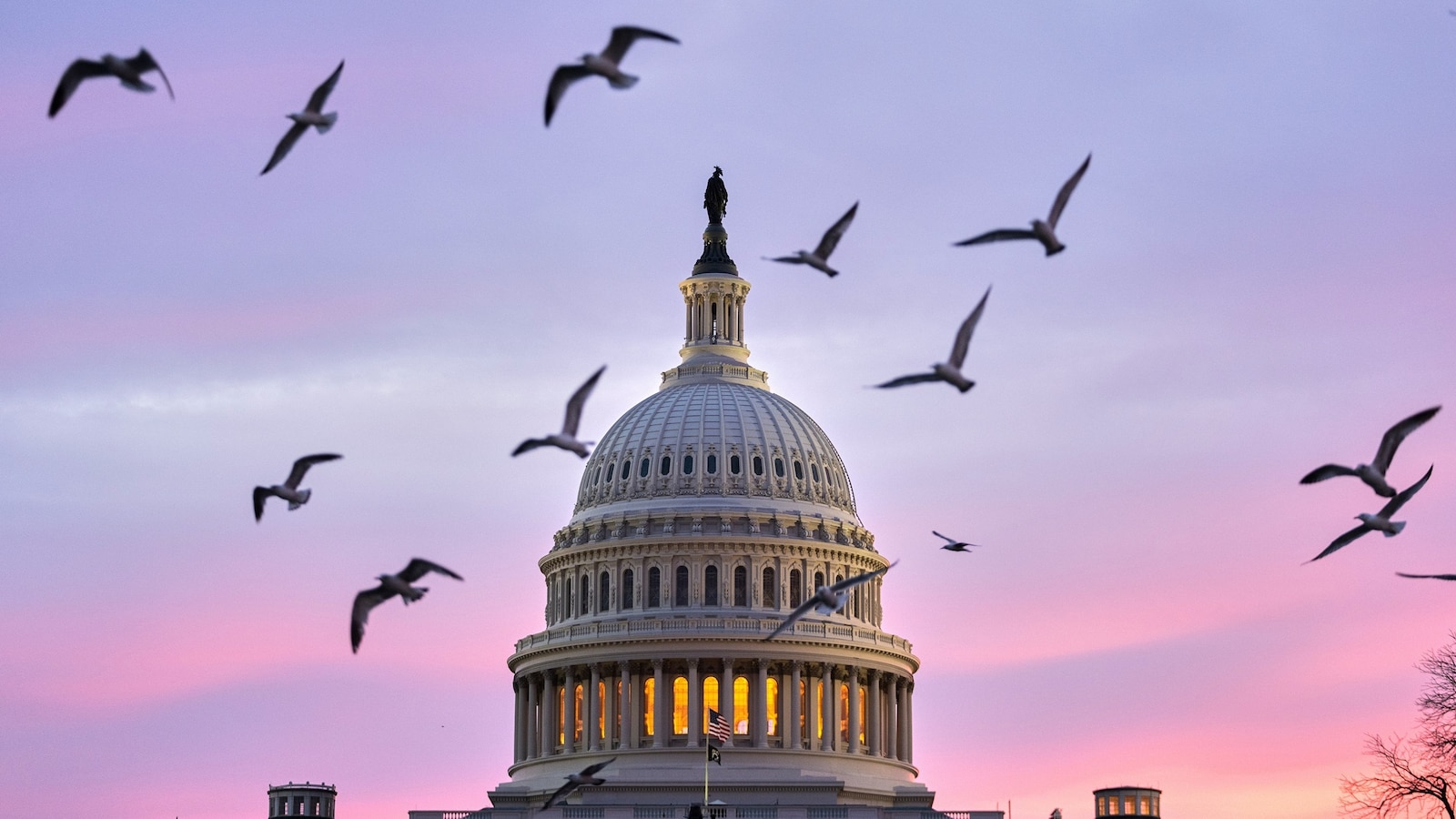
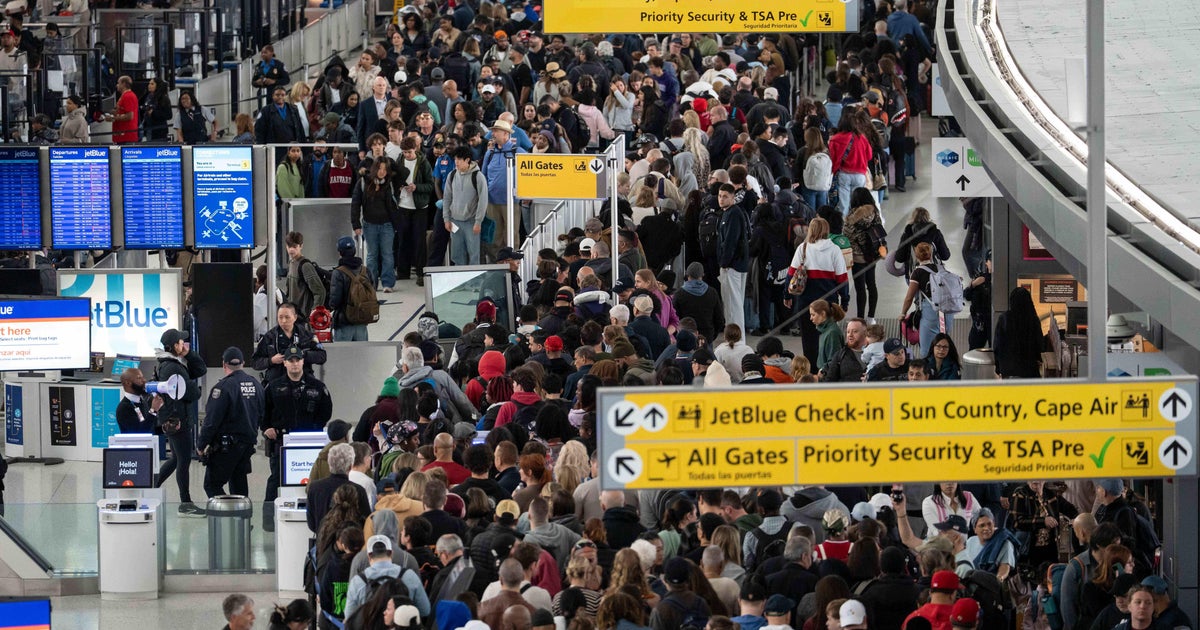
The U.S. Senate passed a partial Department of Homeland Security funding bill in a dramatic overnight session early Friday, ending a 42-day shutdown that had left tens of thousands of federal workers without pay and caused airport security lines to stretch for hours across the country. The vote, approved unanimously by voice vote at 2:20 a.m., funds the Transportation Security Administration, the Coast Guard, FEMA, and the Cybersecurity and Infrastructure Security Agency, but excludes Immigration and Customs Enforcement and most of Customs and Border Protection — the agencies at the center of the partisan standoff that has paralyzed DHS since February 14.
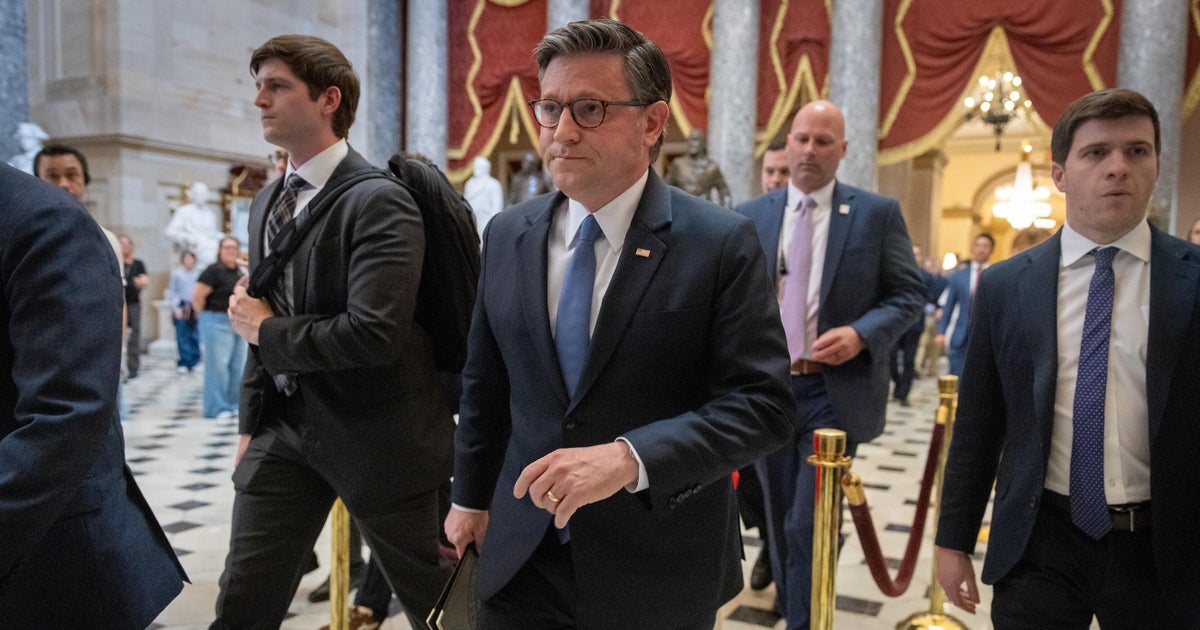
Senate Minority Leader Chuck Schumer of New York declared an unambiguous victory after the vote. "This could have been done three weeks ago. This is exactly what we wanted," Schumer told reporters in the Capitol hallway, hours after President Trump had declared he would sign an executive order directing newly-confirmed Homeland Security Secretary Markwayne Mullin to "immediately pay our TSA Agents in order to address this Emergency Situation." Senate Majority Leader John Thune of South Dakota called the outcome "unfortunate" but insisted that no policy concessions were made to Democrats, arguing instead that lawmakers had simply agreed to fund the portions of DHS where bipartisan agreement existed all along.
The stakes were acute. The TSA had lost more than 480 transportation security officers during the 42-day shutdown, with the agency's acting administrator testifying to Congress that callout rates had exceeded 40 percent at several major airports. Houston's George Bush Intercontinental Airport reported security wait times exceeding four hours during peak spring break travel periods, and the TSA's top official testified to the highest passenger wait times in the agency's history. Many workers reported sleeping in their cars, selling blood plasma, and taking on second jobs to remain financially afloat while being required to report to work without receiving regular paychecks. More than 61,000 TSA employees in total worked without full pay during the shutdown.
The shutdown began after Congress failed to pass a full fiscal year DHS appropriations bill, with Democrats refusing to fund ICE's Enforcement and Removal Operations following a series of sweeping immigration enforcement actions in Minnesota and other states that sparked national protests. Republicans, led by Thune and backed by the White House, pushed for full DHS funding that would have maintained ICE capacity for the deportation operations central to Trump's immigration agenda. The impasse held through five failed Senate test votes over six weeks, earning the distinction of the longest such partial government shutdown in recent memory.
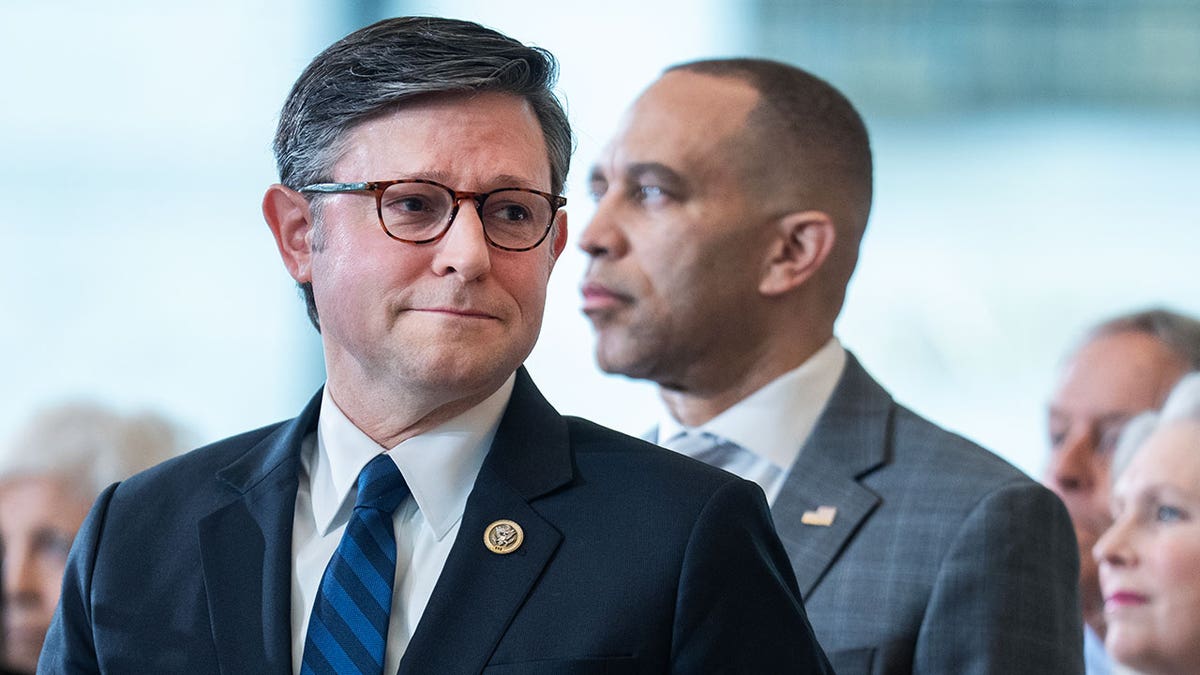
The bill now moves to the House, where Republicans expressed reluctance to accept a deal that excludes ICE funding. A House vote was expected as early as Friday, with lawmakers eager to leave Washington for a scheduled two-week Easter recess. Republican Senator Eric Schmitt of Missouri proposed pursuing a decade-long ICE funding guarantee through the budget reconciliation process later this year, a move Senate Democrats immediately pledged to oppose. Even with a deal signed into law, union officials warned that TSA staffing levels could take days or weeks to return to normal, and airports across the country were advised to maintain extended wait-time advisories through at least the coming weekend.