Robert Mueller, FBI Director Who Led Russia Investigation, Dies at 81
Mueller served as FBI director for 12 years, beginning one week before 9/11, then spent two years as special counsel producing a report that charged 34 individuals and found Russia interfered 'in sweeping and systematic fashion' in the 2016 election — with President Trump responding to his death with a post saying 'Good, I'm glad he's dead.'

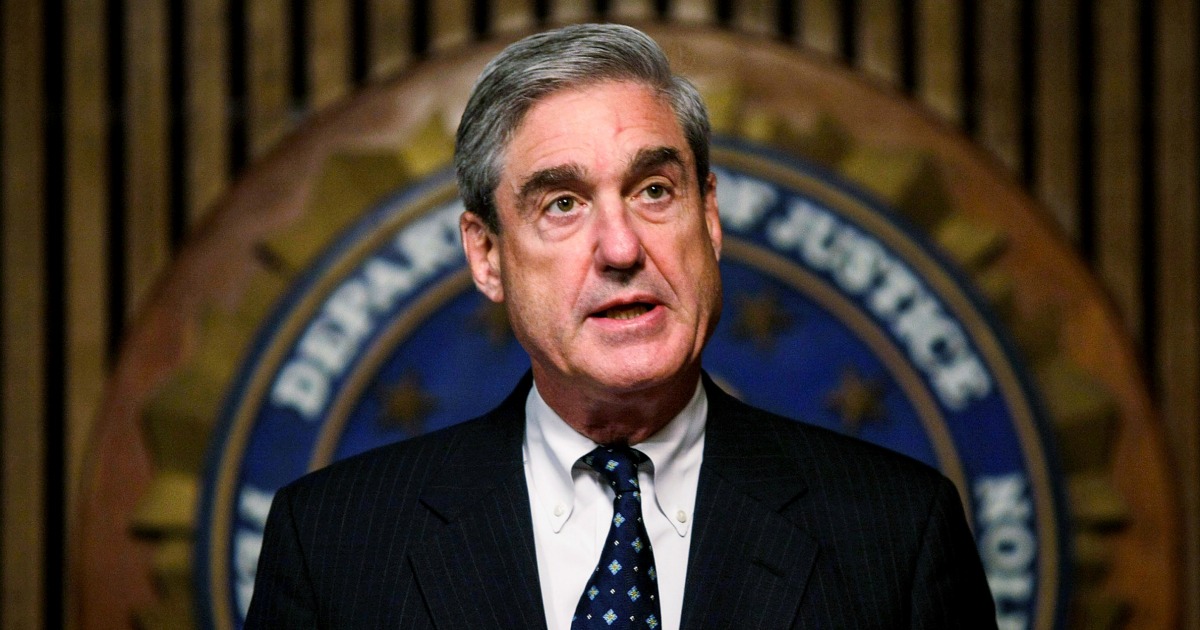
Robert Mueller, the decorated Marine Corps veteran who served as FBI director for 12 years and then spent two years as special counsel producing one of the most consequential law enforcement documents in American political history, died Friday evening at the age of 81. His family announced his passing Saturday morning with a brief statement: "With deep sadness, we are sharing the news that Bob passed away last night." No official cause of death was given, though Mueller had been battling Parkinson's disease since at least 2021 — a diagnosis his family disclosed only in August 2025, explaining why he had stepped back from both his law practice and his teaching role at a Washington university.
Mueller's death immediately reignited the partisan passions that defined his final years in public life. President Trump, posting on Truth Social within hours of the announcement, wrote: "Good, I'm glad he's dead. He can no longer hurt innocent people!" The statement, which drew condemnation from across the political spectrum including from some Republican senators, stood in stark contrast to the response of former President Barack Obama, who called Mueller "one of the finest directors in the history of the FBI" and praised "his relentless commitment to the rule of law." Former FBI Director James Comey, whose firing in 2017 directly triggered Mueller's appointment as special counsel, called him "a truly good and honest person and an extraordinary American patriot." Senator Mark Warner said he "didn't always agree with him" but deeply respected Mueller's lifelong commitment to legal norms.
Mueller was born in New York City in 1944 and graduated from Princeton University before earning his law degree from the University of Virginia School of Law. He served in the Marine Corps during the Vietnam War, earning a Bronze Star for heroism and a Purple Heart after being wounded in combat — experiences that shaped his famously disciplined, leak-proof approach to every investigation he ever led. He worked his way up through the Justice Department, serving as U.S. Attorney in San Francisco and later as head of DOJ's criminal division before President George W. Bush nominated him as FBI director in 2001. He was confirmed by the Senate just one week before the September 11 attacks, which instantly transformed the mission of the bureau he had just been handed.
Mueller's 12-year tenure — extended twice by Congress in a rare display of bipartisan support — fundamentally reshaped the FBI from a primarily domestic law enforcement agency into an intelligence-first counterterrorism organization. He built the National Security Branch, dramatically expanded the bureau's overseas legal attaché offices, and created new fusion centers to share intelligence with local law enforcement. Attorney General Eric Holder called him "the gold standard" for what an FBI director should be. When President Trump fired James Comey in May 2017, Deputy Attorney General Rod Rosenstein appointed Mueller as special counsel to oversee the investigation into Russian interference in the 2016 election. The resulting 22-month investigation produced charges against 34 individuals and three companies, including Russian intelligence officers, Trump campaign chairman Paul Manafort, longtime Trump associate Roger Stone, and former National Security Adviser Michael Flynn.
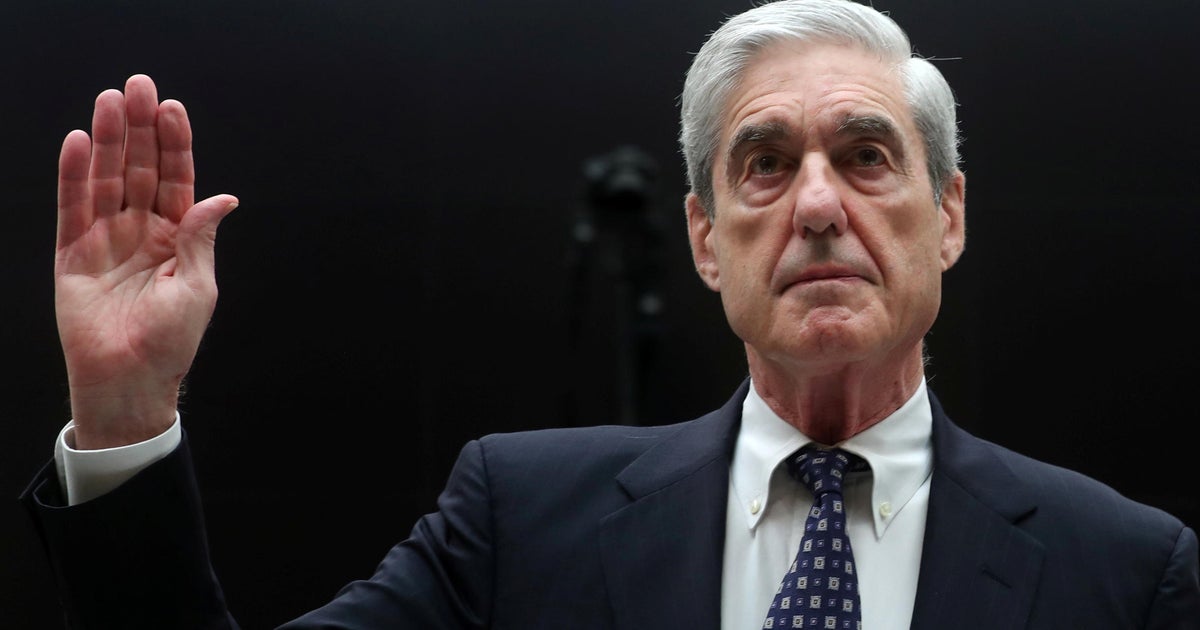
The Mueller Report, released in redacted form in April 2019 after a summary by then-Attorney General William Barr that critics said misrepresented its conclusions, found that Russia interfered in the 2016 election "in sweeping and systematic fashion" but did not establish that the Trump campaign conspired or coordinated with Russia. It laid out 10 instances of potential obstruction of justice by President Trump but declined to make a prosecution decision, citing DOJ policy against indicting a sitting president. Mueller's July 2019 congressional testimony was widely watched but widely judged as less decisive than his supporters had hoped. He is survived by his wife of nearly 60 years, Ann Cabell Standish, two daughters, and three grandchildren. He received the Presidential Medal of Freedom in 2011.