AIDS Clinics in Africa Say Trump's PEPFAR Cuts Are Already Costing Lives
Health workers in South Africa and Mozambique describe shuttered programs and rationed medicine after a U.S. stop-work order. One model projects 565,000 new HIV infections over a decade.

For more than two decades, the U.S. President's Emergency Plan for AIDS Relief was the backbone of the global fight against HIV, a program launched under President George W. Bush in 2003 and credited with saving an estimated 26 million lives. Now health care providers in South Africa and Mozambique say that the Trump administration's sharp cuts and abrupt redirection of PEPFAR funding have already endangered vulnerable patients and cost lives on the ground.
The disruption began with a stop-work order that froze programs almost overnight. An analysis conducted shortly afterward found that 71 percent of PEPFAR implementing partners reported the cancellation of at least one category of activities, 50 percent reported staff reductions, and only 14 percent said they could keep operating for a month or longer without the funding. For clinics that had built their entire model around a steady stream of U.S. support, the order amounted to a sudden severing of a lifeline.
The administration has signaled it intends to scale the program back permanently. Its fiscal year 2026 budget request includes a $1.9 billion reduction for PEPFAR, part of a broader overhaul that officials say is meant to make foreign assistance leaner and more accountable. Critics counter that there is no efficient way to ration drugs that must be taken daily and uninterrupted, and that the uncertainty alone has driven patients away from care.
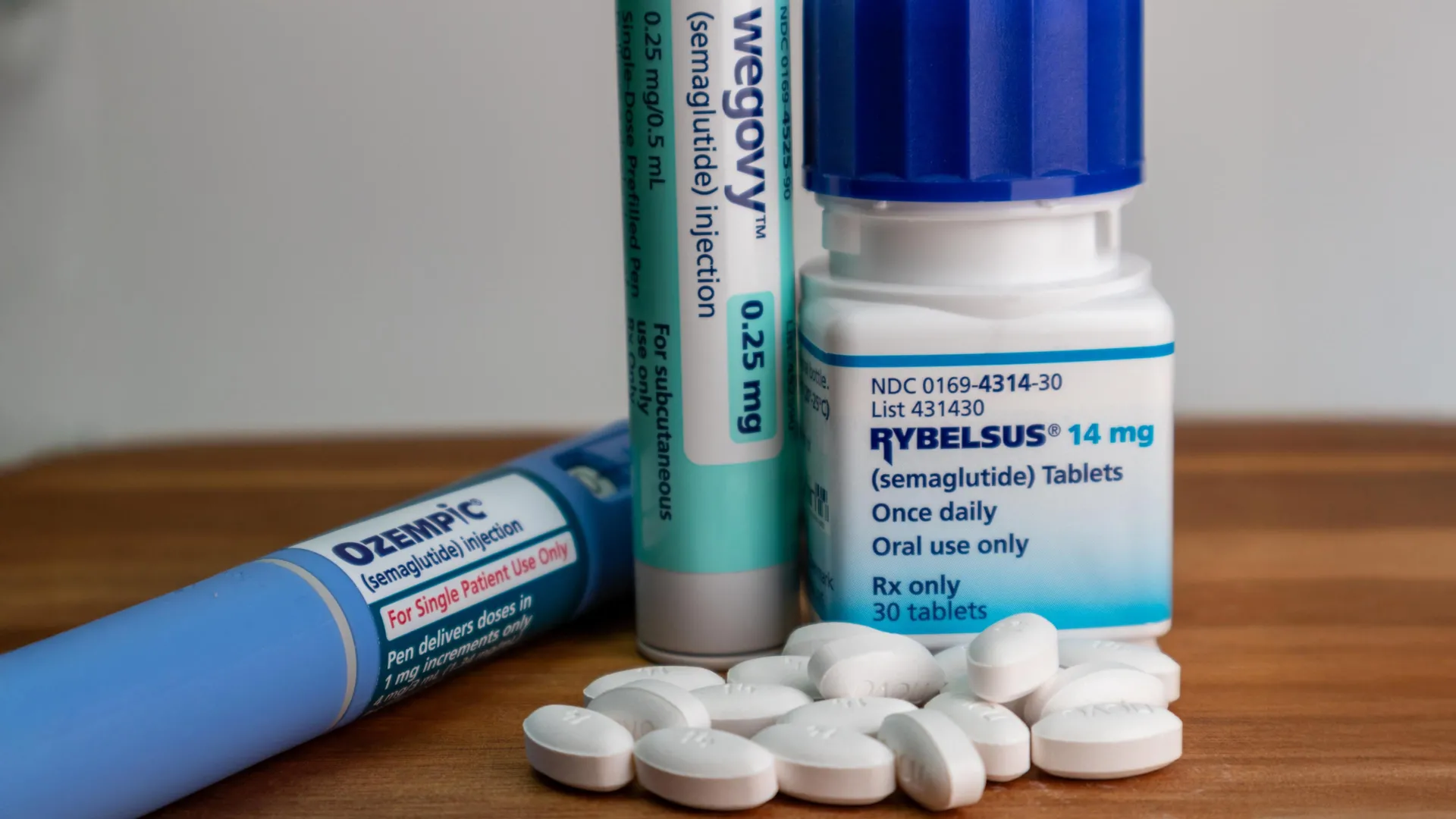
Researchers have begun to quantify the toll. A recent analysis found that the funding disruption was associated with reduced access to HIV services and commodities, including antiretroviral treatment, pre-exposure prophylaxis known as PrEP, and the HIV, CD4 and viral-load tests that monitor whether the disease is under control. One model estimated that ending PEPFAR support in sub-Saharan Africa could result in 565,000 new HIV infections over 10 years and shave 3.71 life-years off the life expectancy of people living with the virus.
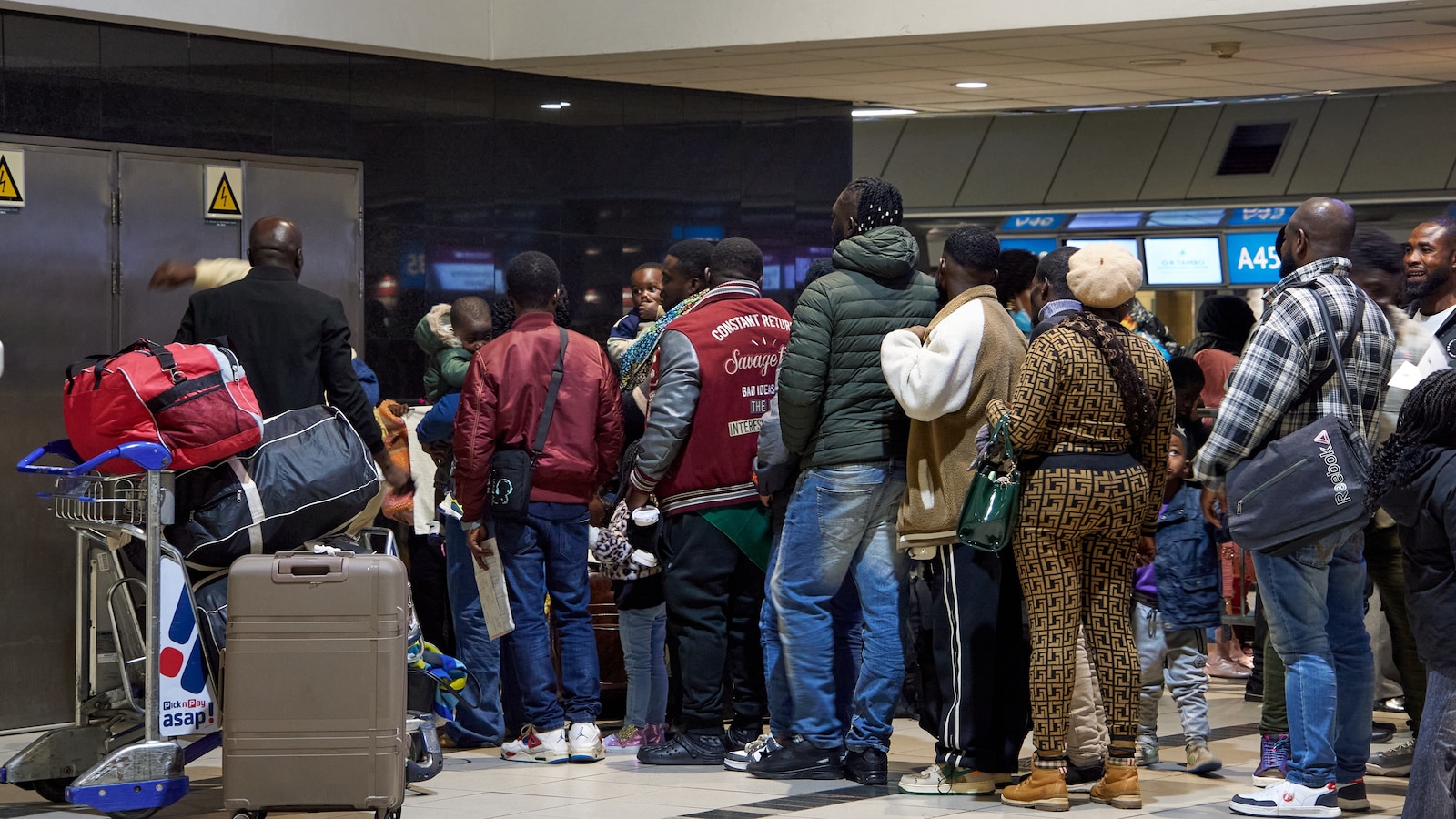
On the ground, the numbers translate into clinics turning patients away and health workers improvising. At facilities such as South Africa's Unjani network of nurse-run container clinics, staff describe stretching dwindling supplies, losing track of patients who can no longer fill prescriptions, and bracing for a resurgence of a disease that had been pushed toward control. In Mozambique, where the public health system leaned heavily on PEPFAR-funded personnel and logistics, providers warn that gains built over 20 years could unravel in a matter of months.
Supporters of the program argue that the human cost will ultimately dwarf any budget savings, and that abandoning a system on the brink of beating HIV would squander one of the most successful public health investments in American history. The administration maintains that recipient nations must shoulder more of the burden. Caught between those positions are the patients themselves, for whom a lapse in treatment is not an abstraction but a question of survival.