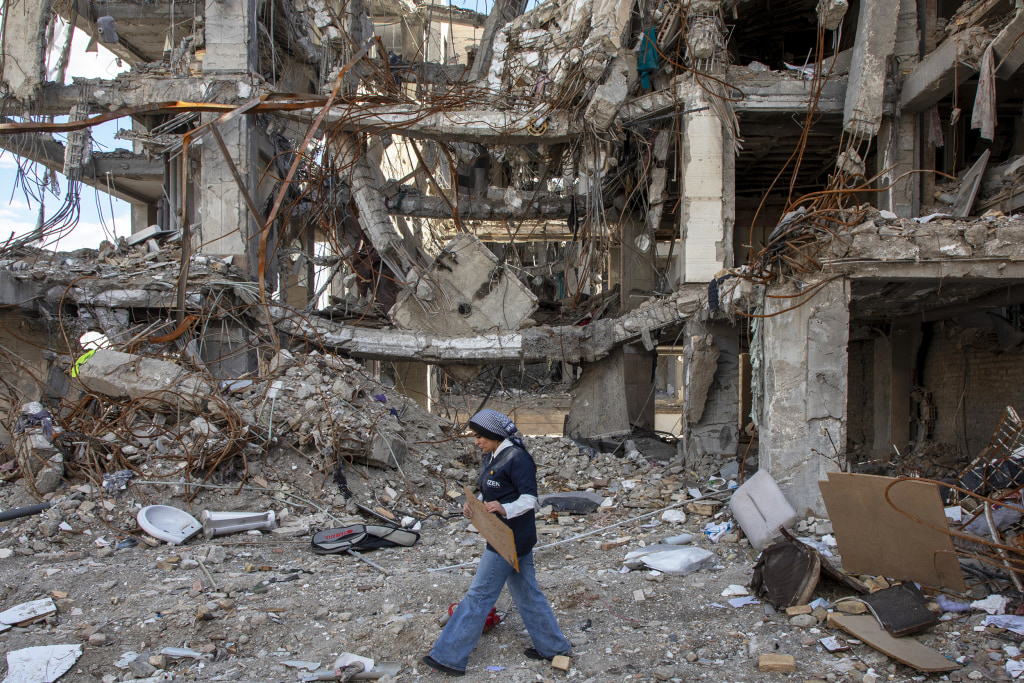
Pentagon Makes Detailed Preparations for Weeks of Ground Operations in Iran, Targeting Kharg Island
The 31st Marine Expeditionary Unit, the 82nd Airborne, and a second MEU are now in position as Trump weighs authorizing raids on Iran's primary oil export hub — a move that would mark the first direct U.S. ground combat in the Persian Gulf in decades.
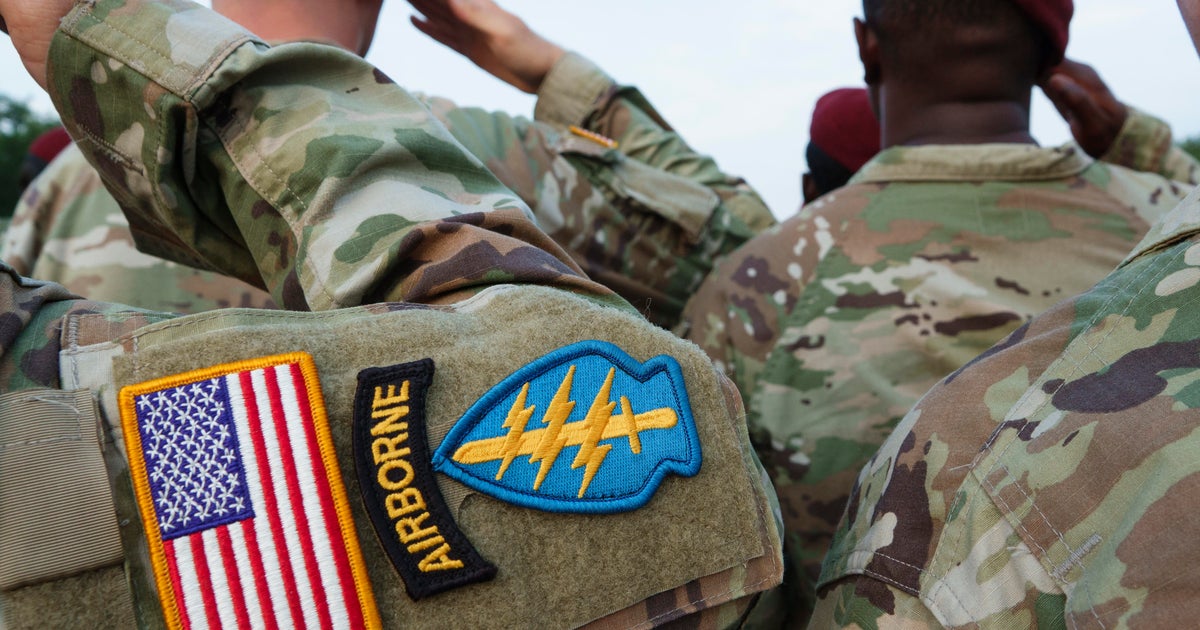
The Pentagon is making detailed preparations for weeks of limited ground operations inside Iran, including potential raids by Special Operations forces and conventional infantry troops on Kharg Island and coastal sites near the Strait of Hormuz, according to officials briefed on the discussions. The plans, first reported by The Washington Post and confirmed by CBS News, would mark a dramatic escalation in the month-long war between the United States and Iran — moving from airstrikes and naval operations into direct ground combat on Iranian soil.
No presidential approval has been given, and the White House was careful to characterize the preparations as contingency planning. "It's the job of the Pentagon to make preparations in order to give the Commander in Chief maximum optionality," White House Press Secretary Karoline Leavitt told reporters. "It does not mean the president has made a decision." When asked directly, Trump told reporters in the Oval Office: "No, I'm not putting troops anywhere. If I were, I certainly wouldn't tell you."
Central to the planning is Kharg Island, Iran's primary oil export hub responsible for roughly 90 percent of the country's crude exports. The island — roughly one-third the size of Manhattan and located about 12 miles off the Iranian mainland in the northeastern Persian Gulf — was already struck by U.S. forces on March 13 in an operation targeting 90 sites including naval mine storage facilities and missile storage bunkers. Military planners are now weighing whether to seize the island entirely, using it as leverage to reopen the Strait of Hormuz, through which approximately 20 percent of the world's oil supply transits daily.
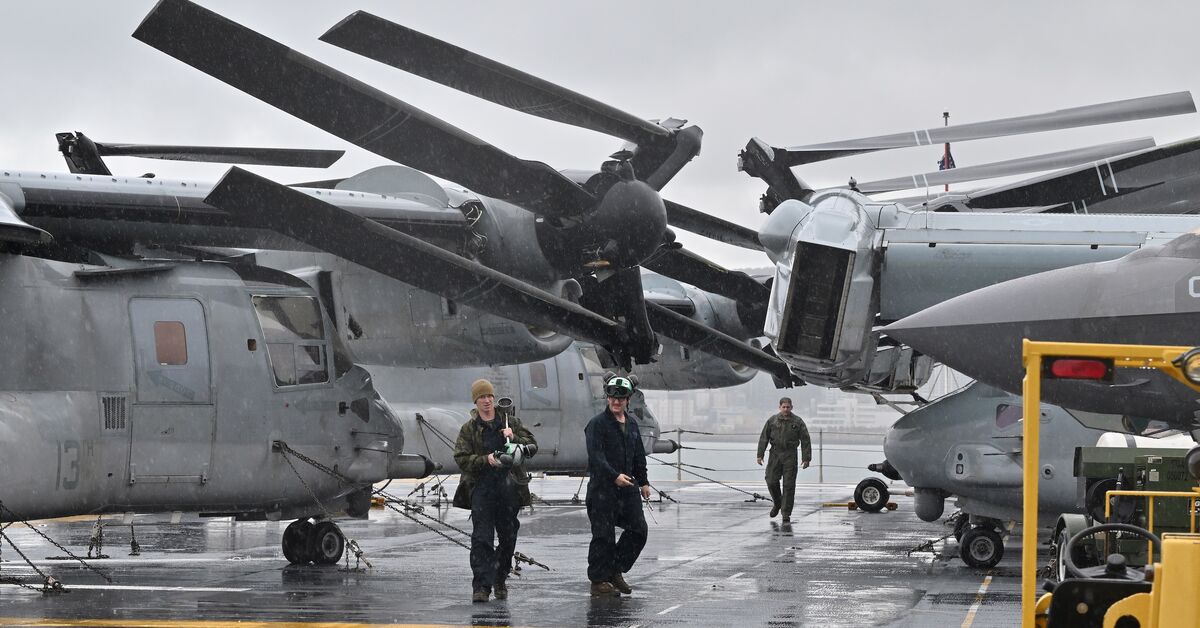
The Pentagon has already moved substantial forces into the region. The 31st Marine Expeditionary Unit, comprising roughly 3,500 personnel, arrived March 27 aboard the USS Tripoli, equipped with transport aircraft, strike fighters, and amphibious assault assets. A second Marine Expeditionary Unit of approximately 2,200 Marines and three warships departed the California coast. Thousands of paratroopers from the Army's 82nd Airborne Division — the Global Response Force trained for rapid deployment — have also been put on alert. The forces are part of a buildup that has brought U.S. military personnel in the region to over 40,000 service members.
The planning discussions describe the potential operations as taking "weeks, not months." Military officials are also developing contingency plans for detaining Iranian soldiers and paramilitary operatives should ground forces engage directly with Iranian military units. Iran has not been idle in response. The Iranian Navy Chief stated that the USS Abraham Lincoln would be targeted if it enters firing range, and Tehran's parliament speaker issued a blunt warning: "Our men are waiting for the arrival of American soldiers on the ground to set fire to them and punish their regional partners forever."
Retired senior military officers who spoke to ABC News were skeptical of the strategic wisdom of ground operations on the Iranian mainland. "I think they would get swallowed up pretty quickly if they went into the mainland," said retired Gen. Joseph Votel, former CENTCOM commander. Retired Lt. Gen. Karen Gibson, former CENTCOM intelligence director, assessed that some form of amphibious operation was likely: "If I were in Vegas and I were betting, I would say it's most likely that we will see some kind of amphibious operation." Retired Gen. Frank McKenzie noted that "this is part of a longstanding plan, all of this has been looked at for many years."
Secretary of State Marco Rubio struck an optimistic tone, telling reporters the administration was "ahead of schedule on most" of its military objectives and "we can achieve them without any ground troops." The statement came amid ongoing diplomatic efforts, with Saudi Arabia, Turkey, and Egypt meeting in Pakistan to explore potential ceasefire pathways. Iran's government rejected a 15-point peace framework presented by U.S. envoy Steve Witkoff as an attempt to impose "unconditional surrender under the guise of diplomacy," though Trump's decision to delay additional strikes on Iranian oil infrastructure until April 6 has kept a narrow diplomatic window open.
The potential ground phase of the war would carry risks unlike anything in the current conflict. Iran has spent weeks laying traps, moving additional military personnel, and reinforcing air defenses across Kharg Island and coastal positions in anticipation of exactly such an operation. U.S. troops would face exposure to Iranian drones, missiles, ground fire, and improvised explosive devices. The decision — should Trump authorize it — would transform a conflict waged largely at arm's length into the first direct American ground combat in the Persian Gulf in decades.