Pentagon Deploys 82nd Airborne, Weighs Sending 10,000 More Troops to Iran War Theater
Elements of the Army's elite paratroop division have received deployment orders as the White House considers a massive escalation that could bring U.S. ground forces in the region to over 60,000.

The Pentagon is weighing the deployment of up to 10,000 additional ground troops to the Middle East as the Iran war enters its fourth week, with elements of the Army's elite 82nd Airborne Division already having received orders to move, according to senior U.S. defense officials. The escalation marks the most significant expansion of American military footprint in the region since the Iraq War and could bring the total U.S. force posture in the theater to over 60,000 service members.
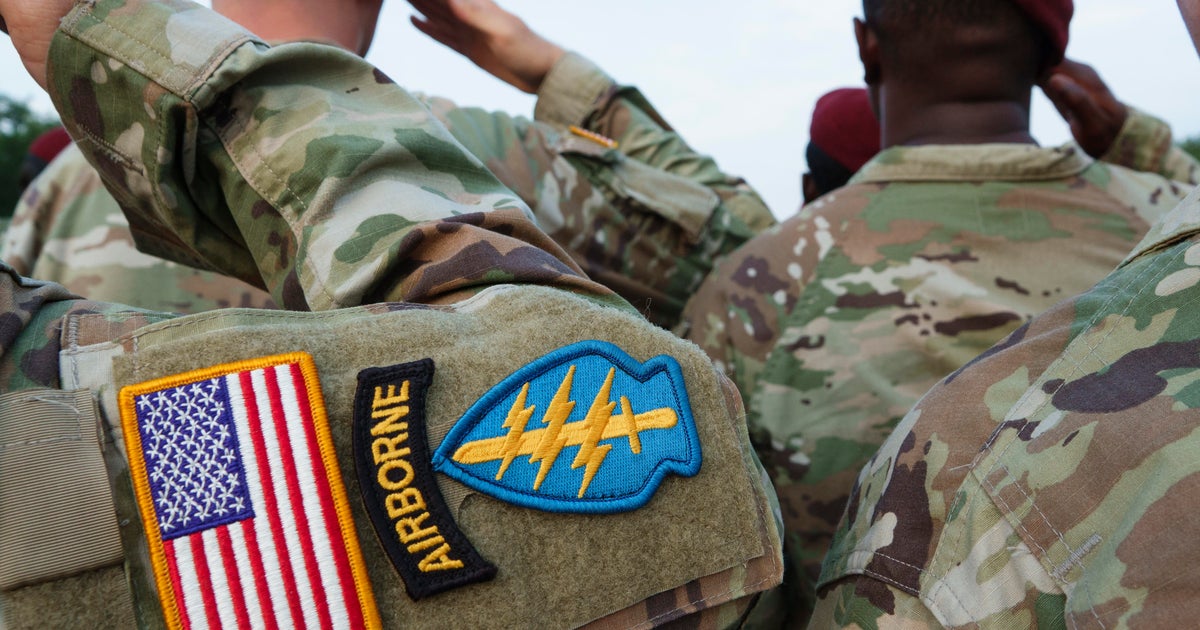
Between 2,000 and 3,000 paratroopers from the 82nd Airborne Division's Immediate Response Force — a unit capable of deploying anywhere in the world within 18 hours — have received written orders to move to the Middle East. The deployment includes Maj. Gen. Brandon Tegtmeier, commander of the 82nd Airborne Division, along with division staff and elements of the 1st Brigade Combat Team. Combined with two Marine Expeditionary Units already en route to the Persian Gulf, the new forces could bring 6,000 to 8,000 U.S. ground troops into proximity with Iranian forces in a matter of days.
The Wall Street Journal first reported that the White House and Pentagon are weighing a far larger surge of up to 10,000 additional combat troops, a decision expected as early as next week. Among the missions being considered for these forces is the seizure of Iran's Kharg Island, a small strip of land in the northern Persian Gulf that handles roughly 90% of Iran's oil exports. Military planners have also drawn up scenarios involving operations along Iran's southern coastline near the Strait of Hormuz — currently blocked by the Islamic Revolutionary Guard Corps Navy — though no final order has been issued and Trump has continued to publicly downplay the likelihood of a full ground campaign.
What began on February 28 as a joint U.S.-Israeli air campaign targeting Iranian military and government infrastructure has evolved into the largest American military mobilization in the region in over two decades. The U.S. has already conducted more than 9,000 combat flights, striking over 9,000 targets including IRGC headquarters, ballistic missile production facilities, naval installations, and energy-related sites. Six U.S. service members have been killed since the conflict began, including all six crew members of a KC-135 Stratotanker refueling aircraft that crashed in western Iraq on March 12 in what officials believe may have been a midair collision.
Despite the military buildup, the Trump administration maintains it is pursuing a diplomatic resolution. The U.S. submitted a 15-point ceasefire framework to Iran through Pakistan acting as an intermediary, though Tehran publicly rejected the proposal as "maximalist and unreasonable." President Trump on Thursday extended his deadline for Iran to reopen the Strait of Hormuz to April 6, citing what he characterized as productive ongoing talks. Iranian Foreign Minister Abbas Araghchi denied any direct negotiations were taking place. With oil prices above $107 per barrel and global shipping disrupted, lawmakers from both parties are pressing the White House for clearer objectives and an exit strategy — questions that so far remain unanswered.