One Dead, Nearly 900 Arrested as PSG's Champions League Triumph Sparks Violence Across France
Paris Saint-Germain beat Arsenal in a Budapest penalty shootout for a second straight European title, but the celebrations turned deadly before a peaceful parade drew 100,000 to the Champ de Mars.

Paris Saint-Germain's second consecutive Champions League title set off jubilation across France on Saturday night — and a wave of violence that left one person dead, more than 200 injured and nearly 900 in custody.
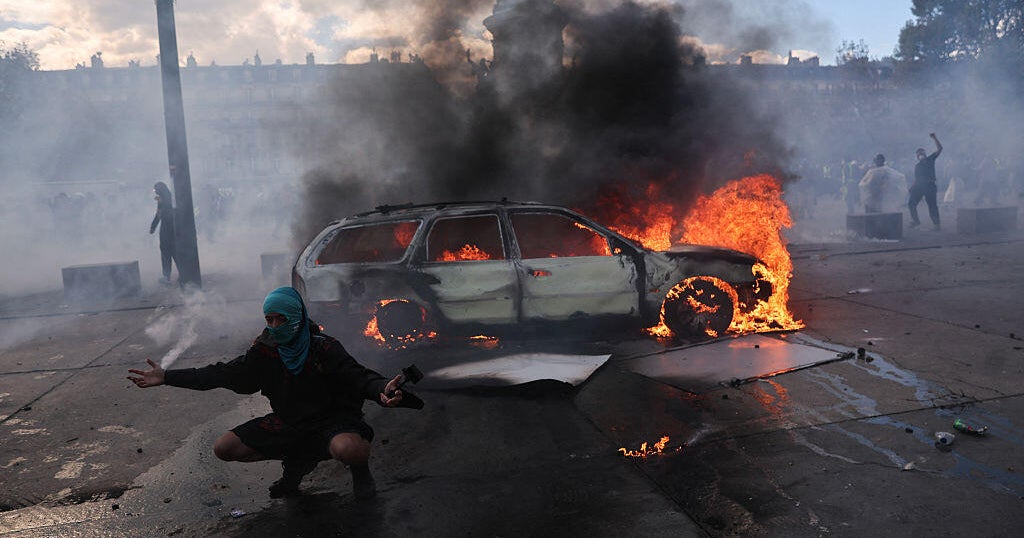
PSG defeated Arsenal in a tense penalty shootout in Budapest to claim Europe's most prestigious club trophy, touching off mass celebrations in the French capital. But the festivities quickly soured. A man in his twenties was killed in a motorbike crash in Paris, and more than 200 people were injured nationwide as revelers set fires, smashed shop windows and clashed with riot police.
French authorities said police detained 890 people in Paris and other cities during the unrest, which stretched well into the early hours. Fifty-seven police officers were wounded, most with minor injuries, as smaller groups torched garbage and self-service rental bicycles and vandalized storefronts. The government had deployed about 22,000 officers nationwide in anticipation of trouble, a reflection of how routinely major football celebrations in France have spilled into disorder.
The scenes echoed the aftermath of PSG's first Champions League victory the previous year, when similar celebrations turned violent. Officials had hoped a heavy security presence would keep the peace, but flashpoints erupted around the Champs-Élysées and in pockets of several other cities.
By Sunday, the mood had shifted. The club's official victory parade went ahead as scheduled at the Champ de Mars, the sprawling green expanse beneath the Eiffel Tower, where up to 100,000 supporters gathered under tight security to salute the team. The celebration was overwhelmingly peaceful, a stark contrast to the chaos of the night before.
The triumph cemented PSG's status as the dominant force in European club football, completing back-to-back continental crowns for a club that spent years and a fortune chasing the trophy. For the team's owners and fans, the victory was the culmination of a long quest. For French authorities, the deadly unrest that accompanied it renewed a familiar and uncomfortable debate about how to let a nation celebrate its champions without the party turning destructive.