Oil Hits $106 a Barrel as Iran War Chokes the World's Most Important Waterway
Brent crude surges 40% since conflict began. Analysts warn prices could reach $150.

Global oil prices surged past $106 per barrel on Monday as the intensifying U.S.-Iran conflict continued to choke the Strait of Hormuz, the narrow waterway through which roughly 20 percent of the world's petroleum supply passes every day. Brent crude, the international benchmark, has now risen more than 40 percent since hostilities began on February 27, marking the steepest sustained price increase since the 2022 Russian invasion of Ukraine.
The Strait of Hormuz, a 21-mile-wide chokepoint between Iran and Oman at the mouth of the Persian Gulf, is effectively shut down to commercial tanker traffic. Iran's Islamic Revolutionary Guard Corps has deployed naval mines, fast-attack boats, and anti-ship missile batteries along its coastline, making passage too dangerous for the supertankers that typically transit the strait at a rate of one every six minutes. Lloyd's of London has designated the entire Persian Gulf a war-risk zone, causing insurance premiums for tanker voyages to increase twentyfold.
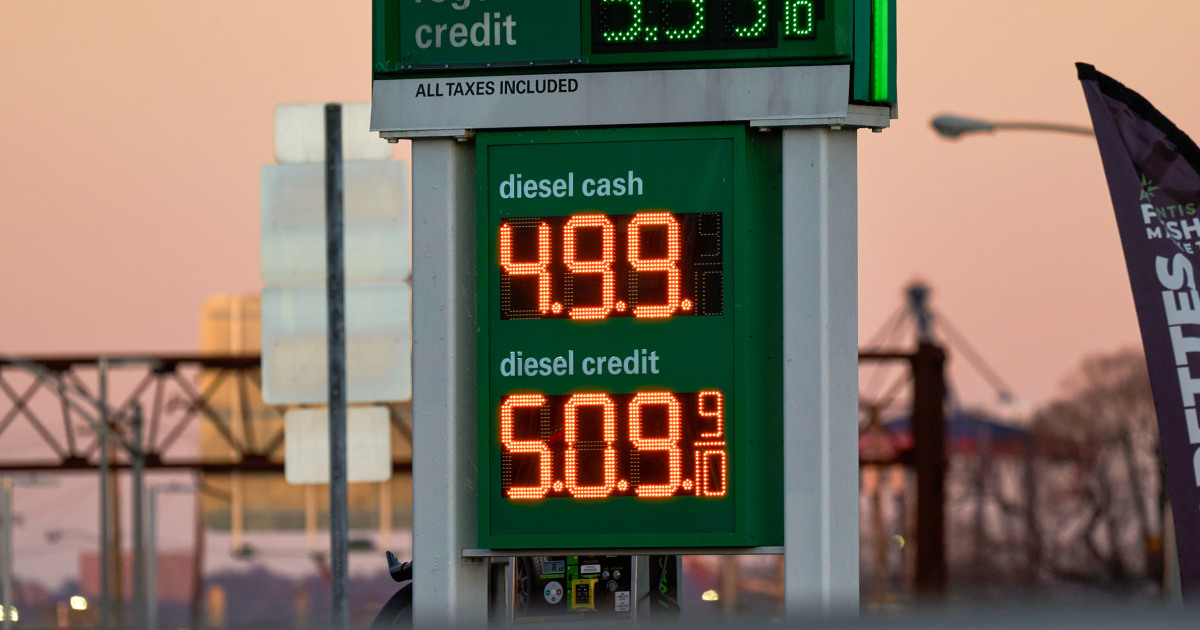
The impact is already hitting American consumers. The national average price of regular gasoline climbed to $3.79 per gallon on Monday, according to AAA, up 54 cents from a month ago. In California, where prices consistently run above the national average, drivers are paying $4.87 per gallon. Energy economists warn that prices at the pump typically lag crude oil movements by two to three weeks, meaning the worst of the pain is likely still ahead.
Goldman Sachs issued a research note Monday warning that Brent crude could reach $130 to $150 per barrel if the conflict extends beyond April and the strait remains closed to commercial traffic. The bank's commodities team, led by analyst Daan Struyven, noted that global petroleum inventories were already at five-year lows before the crisis began, leaving the market with minimal buffer capacity. The International Energy Agency said member nations are considering a coordinated release from strategic petroleum reserves but have not yet reached consensus.
The White House has sought to reassure markets, with National Economic Council Director Kevin Hassett telling reporters that the administration is exploring all options to stabilize energy prices, including accelerated permitting for domestic production and potential sanctions relief for Venezuelan crude. However, analysts noted that no combination of alternative supplies can fully replace the 17 million barrels per day that normally flow through the Strait of Hormuz.
The energy shock is reverberating through the broader economy. Airlines have announced fuel surcharges on international routes. Trucking and shipping companies are passing costs to consumers. Federal Reserve officials, who had been considering interest rate cuts before the crisis, are now confronting the possibility of stagflation — rising prices combined with slowing growth. The S&P 500 fell 2.3 percent on Monday, extending a three-week decline that has erased more than $4 trillion in market value.