Netanyahu Orders Israeli Military to Seize 70% of Gaza, Far Beyond Ceasefire Terms
The prime minister said Israel already controls 60% of the territory and directed the army to push further — a move critics say breaches the October 2025 truce and would squeeze two million Palestinians into an ever-smaller strip of land.

Israeli Prime Minister Benjamin Netanyahu said he has instructed the Israeli military to expand its control of the Gaza Strip to 70 percent of the territory, a directive that pushes well past the lines drawn in the October 2025 ceasefire with Hamas. "At this point, we are fully in control of 60 percent of the territory of the Gaza Strip," Netanyahu said, "and my directive is to get to 70 percent."
The announcement marks a sharp escalation in a war that has ground on for two years and reshaped the enclave's geography. Under the U.S.-brokered truce reached last October, Israel was permitted to temporarily continue occupying roughly 53 percent of Gaza. By Netanyahu's own account, Israeli forces already hold significantly more than that, having advanced some 11 percent beyond the so-called "Yellow Line" that delineated the agreed positions.
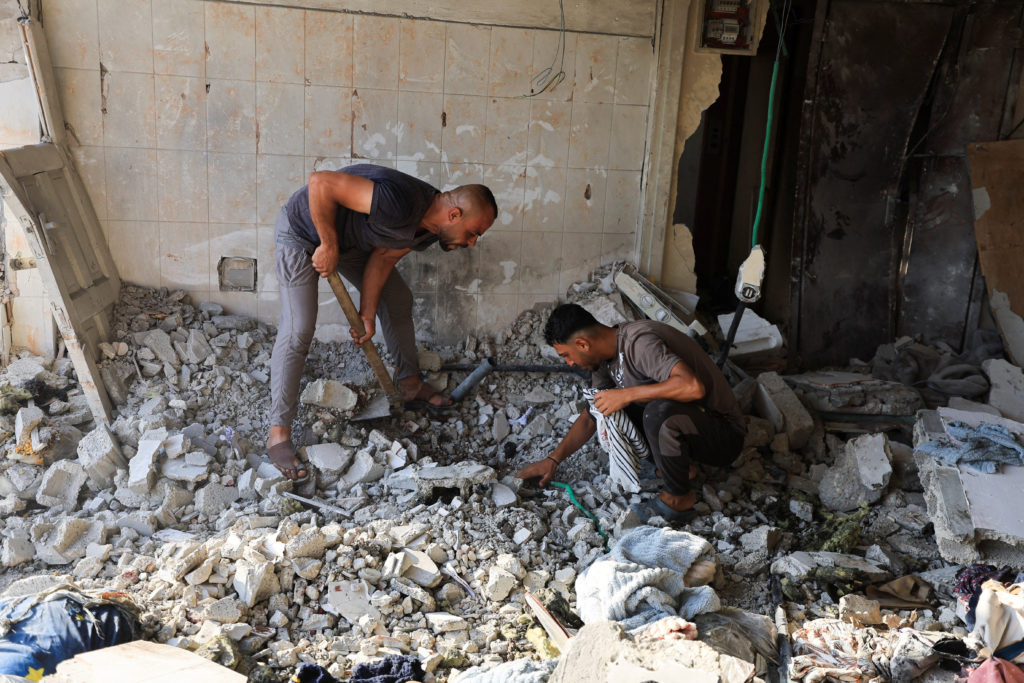
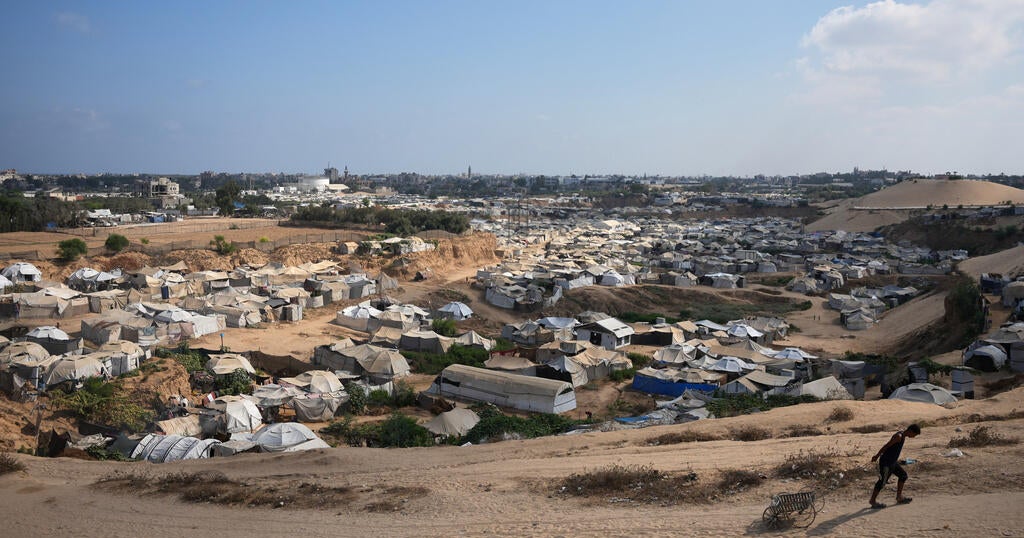
Humanitarian officials warned that seizing an additional slice of the territory would force the roughly two million Palestinians still in Gaza — many already displaced multiple times and living in catastrophic conditions — into an even smaller area. Aid groups have repeatedly described the strip as one of the most densely crowded and least survivable places on earth after two years of bombardment, blockade and repeated mass displacement.
The directive drew immediate condemnation from critics who said it amounts to a unilateral redrawing of the ceasefire's terms. Israeli forces have been advancing westward and declaring expanded "no-man's-land" zones, while militias backed by Israel have in some areas pressed residents to vacate their homes, according to accounts from the ground. Israeli officials have framed the expansion as necessary to dismantle what remains of Hamas's military infrastructure.
The move also complicates a fragile regional picture in which Washington has been simultaneously trying to broker a separate de-escalation with Iran. A renewed Israeli push into Gaza risks inflaming Arab governments whose cooperation the United States is courting, and it places the Trump administration — the guarantor of the October agreement — in the position of either endorsing or restraining its closest Middle East ally.
For Palestinians in Gaza, the practical consequences are immediate and grim. Each new advance shrinks the space available for shelter, aid distribution and basic survival, and aid organizations say there is little room left to absorb another wave of forced movement. Whether Netanyahu's 70 percent target becomes reality may depend less on the battlefield than on how hard Israel's allies, chief among them the United States, are willing to push back.