Nebraska's Morrill Fire Burns 643,000 Acres — Largest Single Wildfire in State History — as Drought and 50 mph Winds Fuel Catastrophic Spread
The fire covered more than 100 miles in a single day. Combined with four other simultaneous blazes, over 876,000 acres have burned across the western Nebraska Panhandle and Sand Hills.
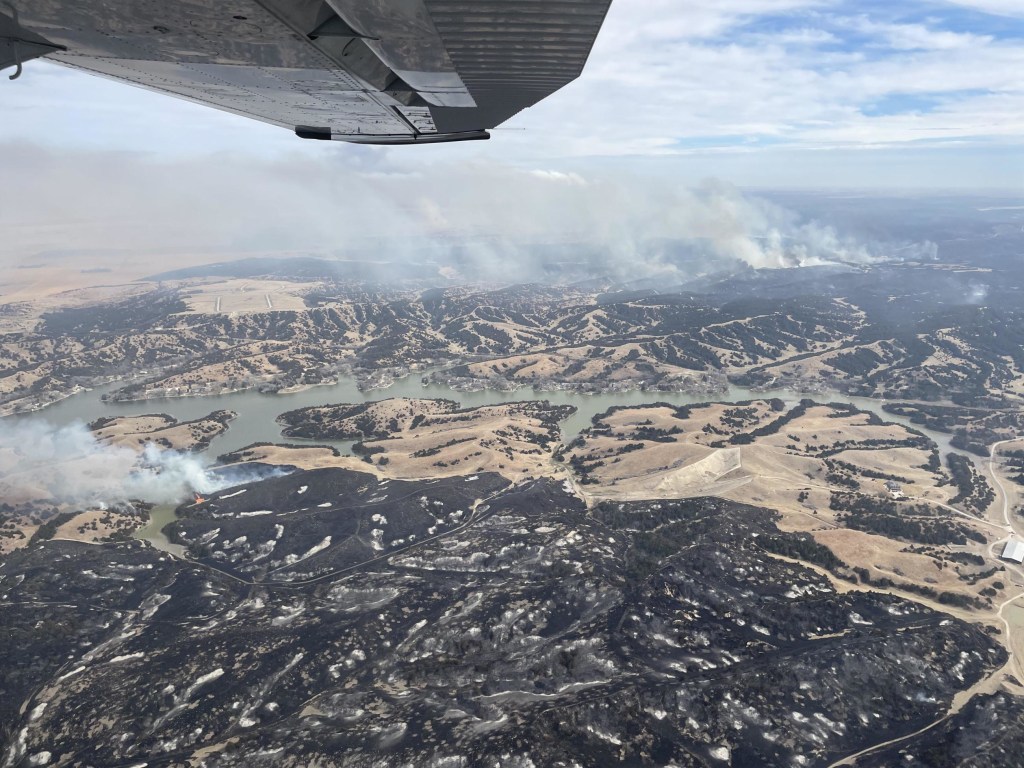
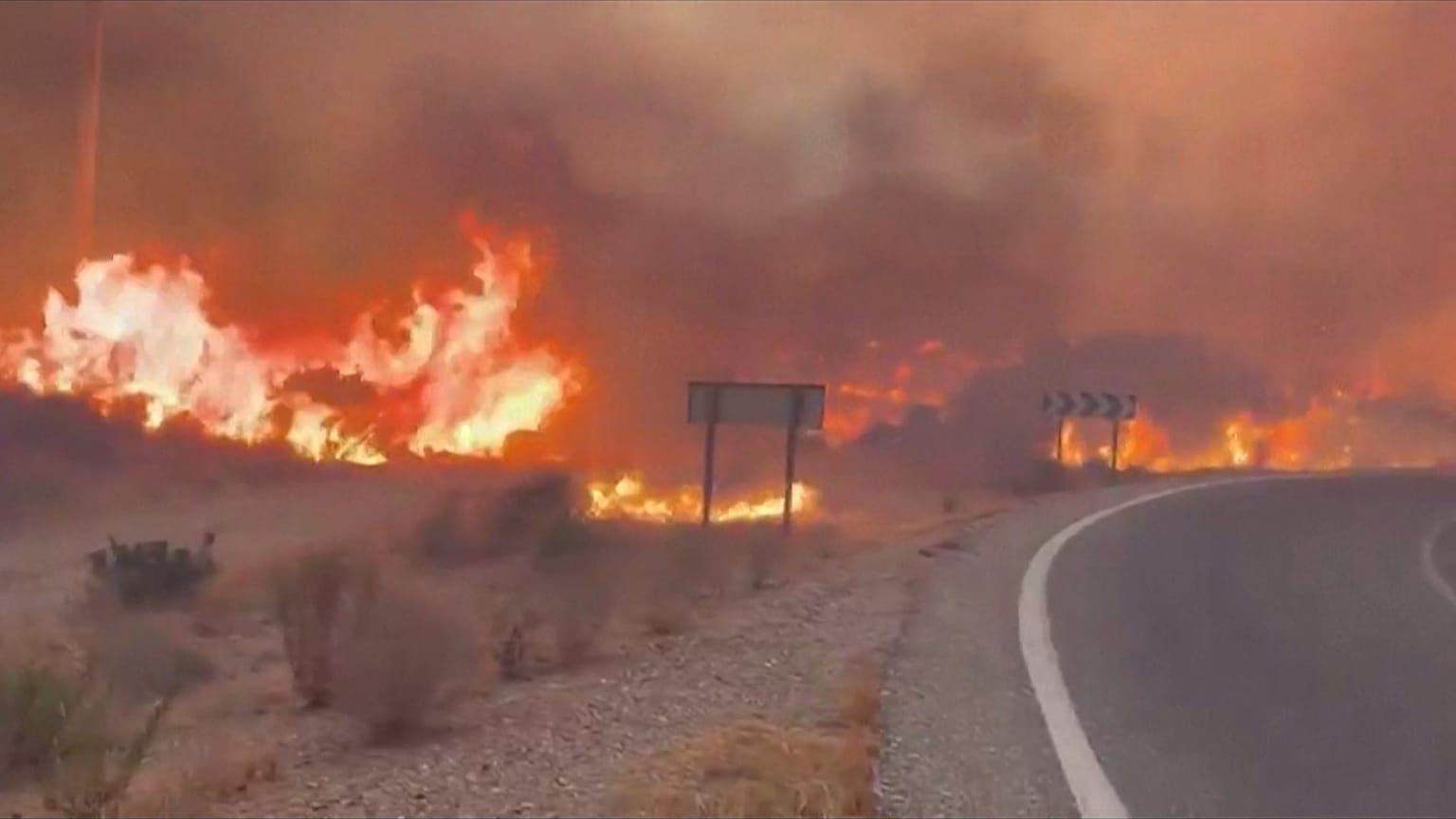
Nebraska's Morrill Fire burned through 643,000 acres of the Nebraska Panhandle and western Sand Hills, making it the largest single wildfire in the state's recorded history and one of the most destructive wind-driven fires the Great Plains has seen in decades. The blaze ignited on March 12 near electrical infrastructure in Morrill County — Governor Jim Pillen's office said high winds downed a power line and triggered the initial ignition — and spread with terrifying speed during the first 48 hours as gusts reached 50 miles per hour and relative humidity dropped to single digits. The fire covered more than 100 miles of territory in a single day. Across all fires that ignited in the same weather event, more than 876,000 total acres have burned.
One person died in connection with the fires — Rose White, 86, of Arthur, Nebraska, whose death was confirmed by Governor Pillen. White was reportedly trying to flee her home when her vehicle became stranded in the path of the advancing Morrill Fire. At least four other major fires ignited on March 12: the Cottonwood Fire in Dawson and Lincoln Counties burning 129,000 acres, the Road 203 Fire in Blaine and Thomas Counties at 35,000 acres, the Anderson Bridge Fire in Cherry County at 17,000 acres, and the Ashby Fire in Sheridan County at 37,000 acres. The Ashby and Minor fires continued to spread with no containment into late March as new fire weather watches were issued for the region.
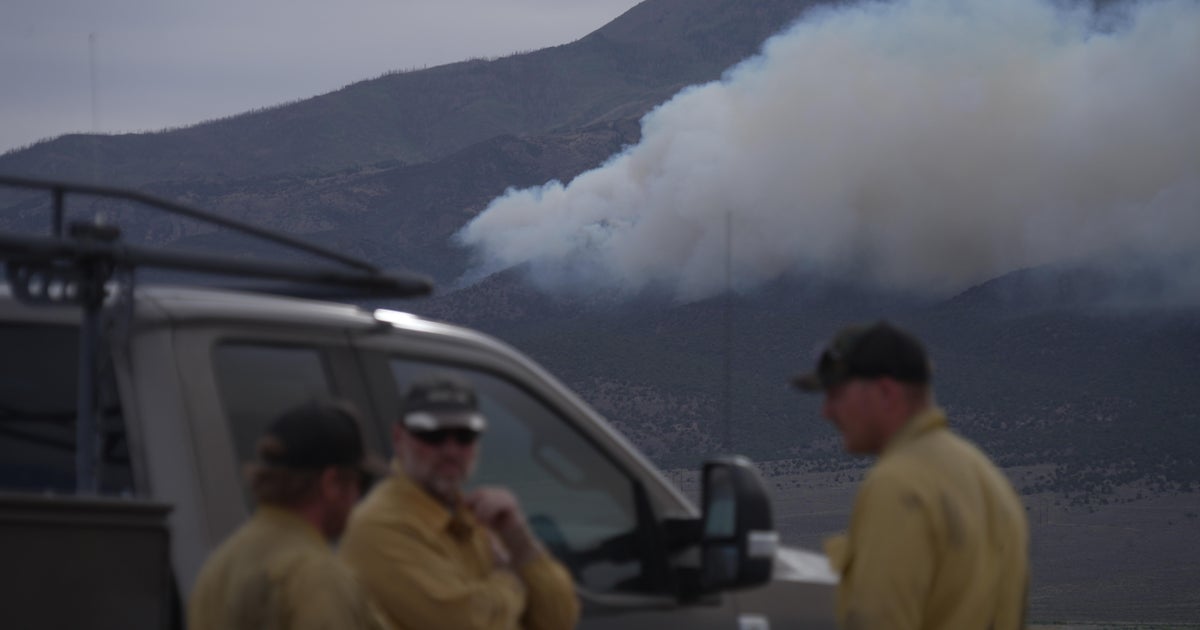
Mandatory evacuation orders were issued for the town of Lewellen, communities near Lake McConaughy — Nebraska's largest reservoir — and numerous rural ranching operations across the affected counties. Aerial firefighting was grounded for much of the first four days as wind speeds made aircraft operations unsafe, forcing ground crews to focus on protecting structures and livestock rather than aggressive fire suppression. Governor Pillen declared a statewide burn ban through April 10, mobilized the National Guard, and the National Interagency Fire Center assumed management of the largest blazes, coordinating resources from across the western United States.
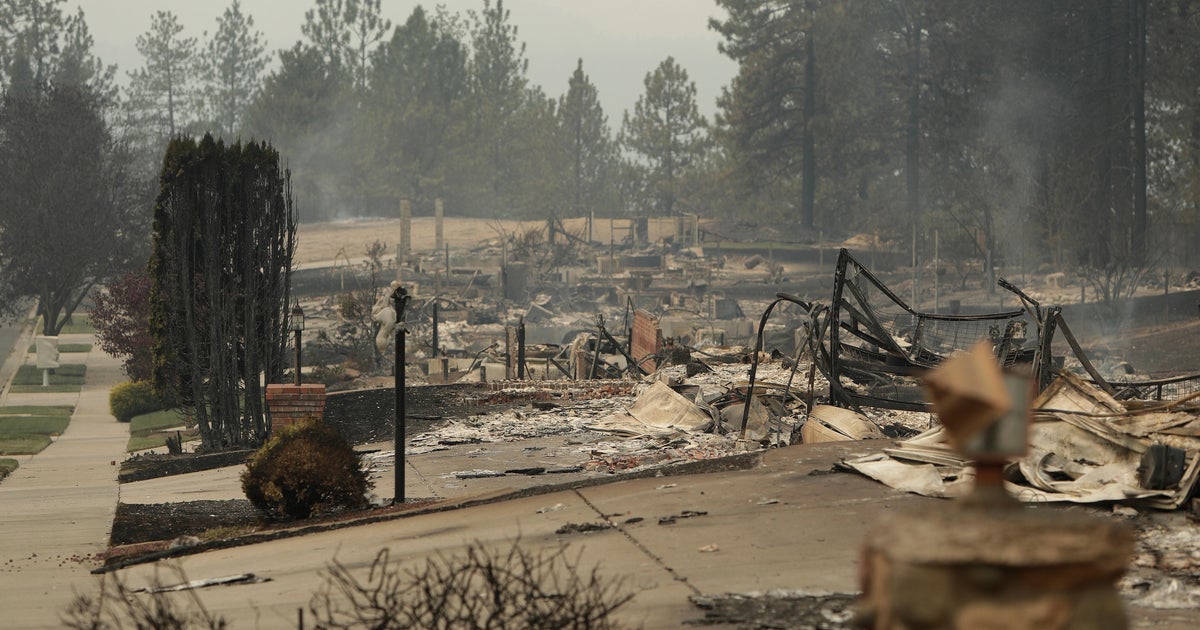
The Morrill and Cottonwood fires reached 100 percent and 98 percent containment respectively by late March, but the situation remained dynamic as dry conditions persisted. Livestock losses — including cattle, horses, and hogs — were expected to be in the thousands, with ranchers reporting entire herds perished. Fencing, hay supplies, and water infrastructure that took decades to build were incinerated within hours. Agricultural officials estimate the economic impact on the ranching sector alone could exceed $500 million when lost livestock, destroyed infrastructure, and reduced production are tallied.
The fires have reignited debate about landscape management and climate resilience in the western Great Plains, where a pronounced multi-year drought cycle has left soil moisture at record lows. Climate scientists note that the combination of drought-parched vegetation, above-average temperatures, and extreme wind events has created conditions in which wildfires can achieve scales previously associated only with western states like California and Oregon. Emergency management officials called for a comprehensive review of rural emergency notification systems after some residents reported not receiving evacuation warnings until flames were visible from their properties. Congress is expected to consider supplemental disaster relief funding for Nebraska as damage assessments continue.