Navy Exchange Battles Walmart and Amazon to Fund Military's Retail Future
The U.S. Navy operates over 300 stores globally, but retail giants are taking market share and threatening the exchange system's financial foundation.

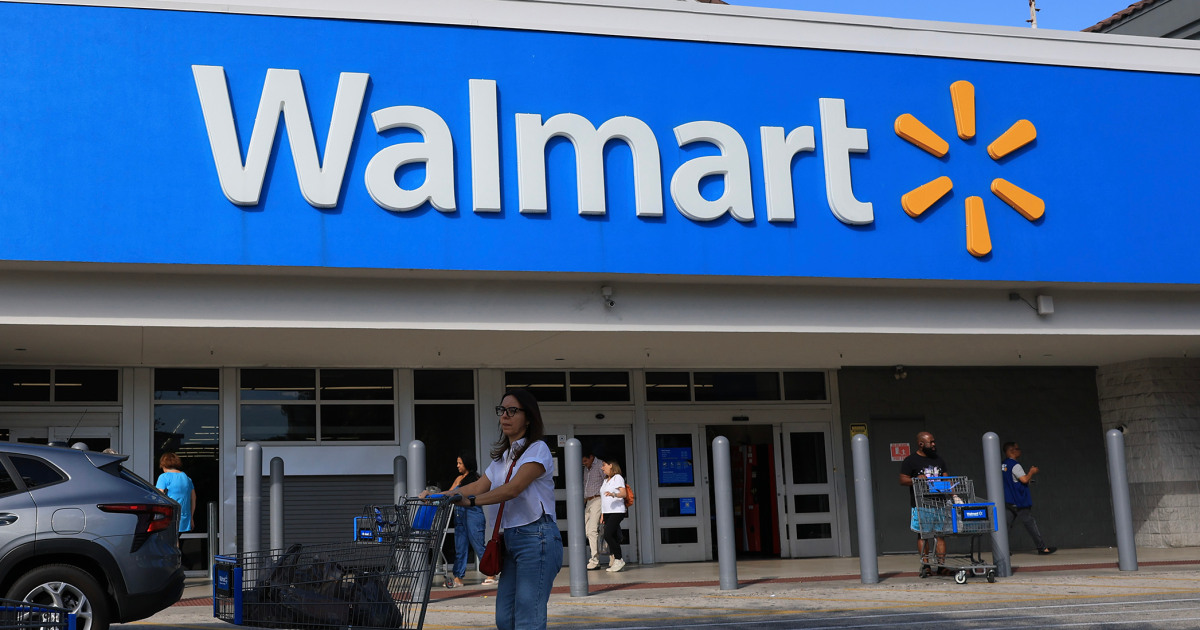
The U.S. Navy Exchange Service Command finds itself in an unexpected battle for survival against retail giants Walmart, Amazon, and Target as changing consumer habits threaten the financial foundation of military retail operations that have served sailors and their families for generations. The Navy operates more than 300 stores globally, from massive exchanges on major naval bases to smaller facilities on remote installations, but the rise of e-commerce and big-box retailers has significantly eroded the customer base that traditionally supported these military retail operations.
The exchange system operates as a unique hybrid entity that must generate profits to fund its own operations while providing subsidized goods and services to military personnel. Unlike civilian retailers, Navy exchanges use their profits to support morale, welfare, and recreation programs for sailors and their families, making them a crucial component of military quality-of-life initiatives. However, the emergence of highly competitive online retailers and discount chains has made it increasingly difficult for military exchanges to maintain the profit margins necessary to sustain their operations and community support programs.
Amazon's rapid delivery capabilities and Walmart's aggressive pricing strategies have particularly impacted Navy exchange sales, as military families increasingly choose the convenience and cost savings offered by civilian retailers over the traditional base shopping experience. The trend has been accelerated by the growth of online shopping, which allows military families to comparison shop easily and often find better deals than those available at on-base stores. This shift in shopping behavior has created a financial crisis for exchange operations that must now compete directly with some of the world's most efficient retail operations.
Navy exchange officials are responding with innovative strategies designed to leverage their unique advantages, including exclusive military-themed products, expanded online services, and partnerships with popular civilian brands. They are also emphasizing the community aspects of base shopping, such as supporting local military family employment and providing convenient services that are specifically tailored to the needs of military life, including deployment preparation and specialized uniform services.
The broader implications extend beyond simple retail competition, as the Navy exchange system represents a critical component of military infrastructure that supports both operational readiness and family welfare. Exchange profits help fund everything from youth sports leagues to emergency financial assistance programs for military families facing hardship. The success or failure of efforts to modernize and compete with civilian retailers will determine whether this century-old system can continue to serve military communities or whether it will become another casualty of the rapidly evolving retail landscape that has transformed American commerce in recent decades.