NATO Struggles to Survive as Trump Threatens Alliance Over Iran War
President cites European reluctance to back U.S. military action as justification for scaling back NATO commitments while pursuing Greenland acquisition.

President Donald Trump is leveraging European nations' reluctance to support the United States in the ongoing Iran conflict as fresh ammunition in his long-standing campaign to diminish or abandon NATO. The alliance, which has served as the cornerstone of Western defense for over seven decades, now faces its most severe existential crisis as the second Trump administration questions fundamental security arrangements with European partners.
The President's criticism centers on what he characterizes as European allies' failure to demonstrate solidarity during the Iran war. While specific details of requested support remain classified, administration officials suggest that key NATO members declined to provide substantial military assistance or intelligence cooperation during critical phases of the conflict. This perceived abandonment has reinforced Trump's belief that the United States bears a disproportionate burden in global security arrangements.
NATO Secretary-General Mark Rutte has been working frantically behind the scenes to preserve alliance unity, according to diplomatic sources. Rutte has engaged in extensive consultations with European leaders, attempting to craft compromises that might satisfy Trump's demands while maintaining the alliance's collective defense framework. However, these efforts face significant obstacles as the President's positions have hardened following what he views as European betrayal during the Iran crisis.
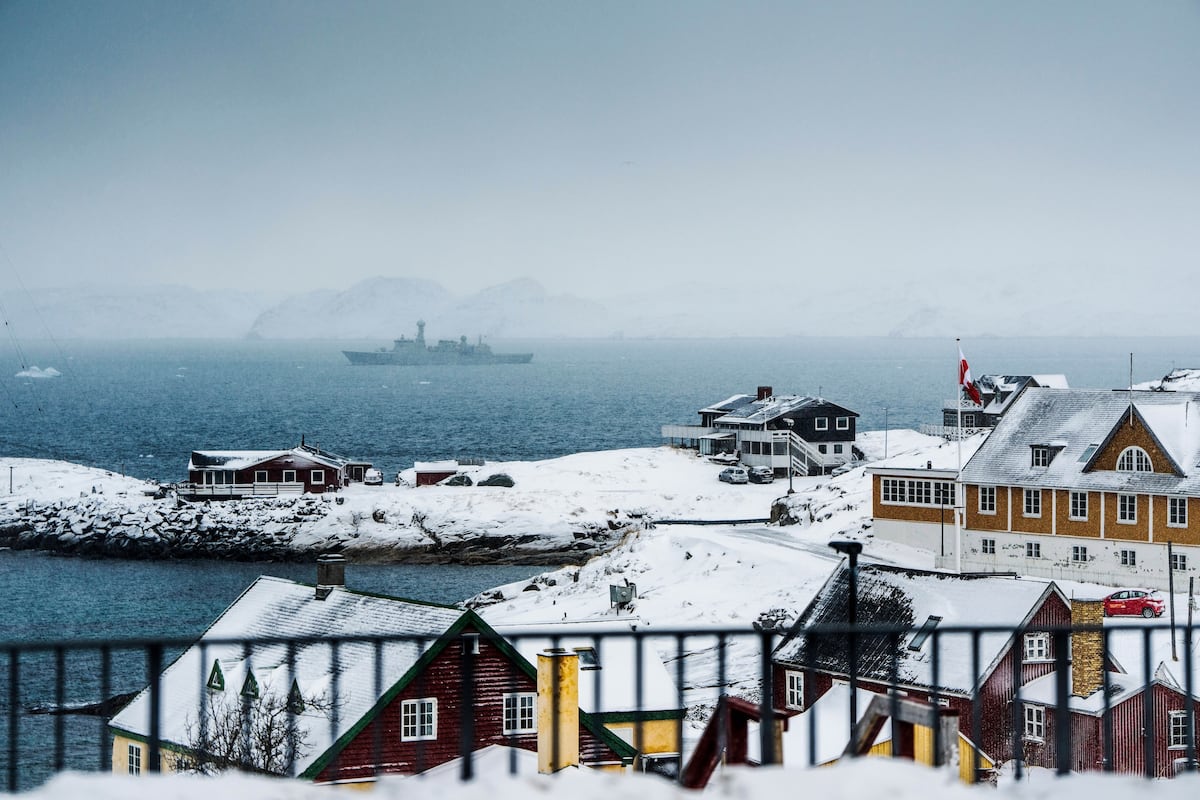
Adding complexity to the NATO tensions is Trump's renewed pursuit of Greenland, the autonomous Danish territory that he has coveted since his first presidency. Administration sources indicate that the President views Greenland's strategic location and natural resources as essential to American security interests, particularly in light of increased competition with China and Russia in the Arctic region. Danish officials have repeatedly stated that Greenland is not for sale, creating additional friction within the alliance.
The confluence of these issues threatens to fundamentally reshape transatlantic relations at a time when global security challenges are intensifying. European leaders face the difficult choice of either accommodating Trump's demands or risking the collapse of an alliance that has underpinned Western security since 1949. The outcome of these negotiations will likely determine whether NATO survives in its current form or undergoes radical transformation under American pressure.