NAACP and Earthjustice Sue Elon Musk’s xAI Over 27 Illegal Gas Turbines Pumping Smog Into Memphis-Area Black Neighborhoods
The civil rights organization and environmental law group allege xAI installed and operated the turbines without Clean Air Act permits, exposing communities already exceeding ozone limits to more than 1,700 tons of annual nitrogen oxide emissions.
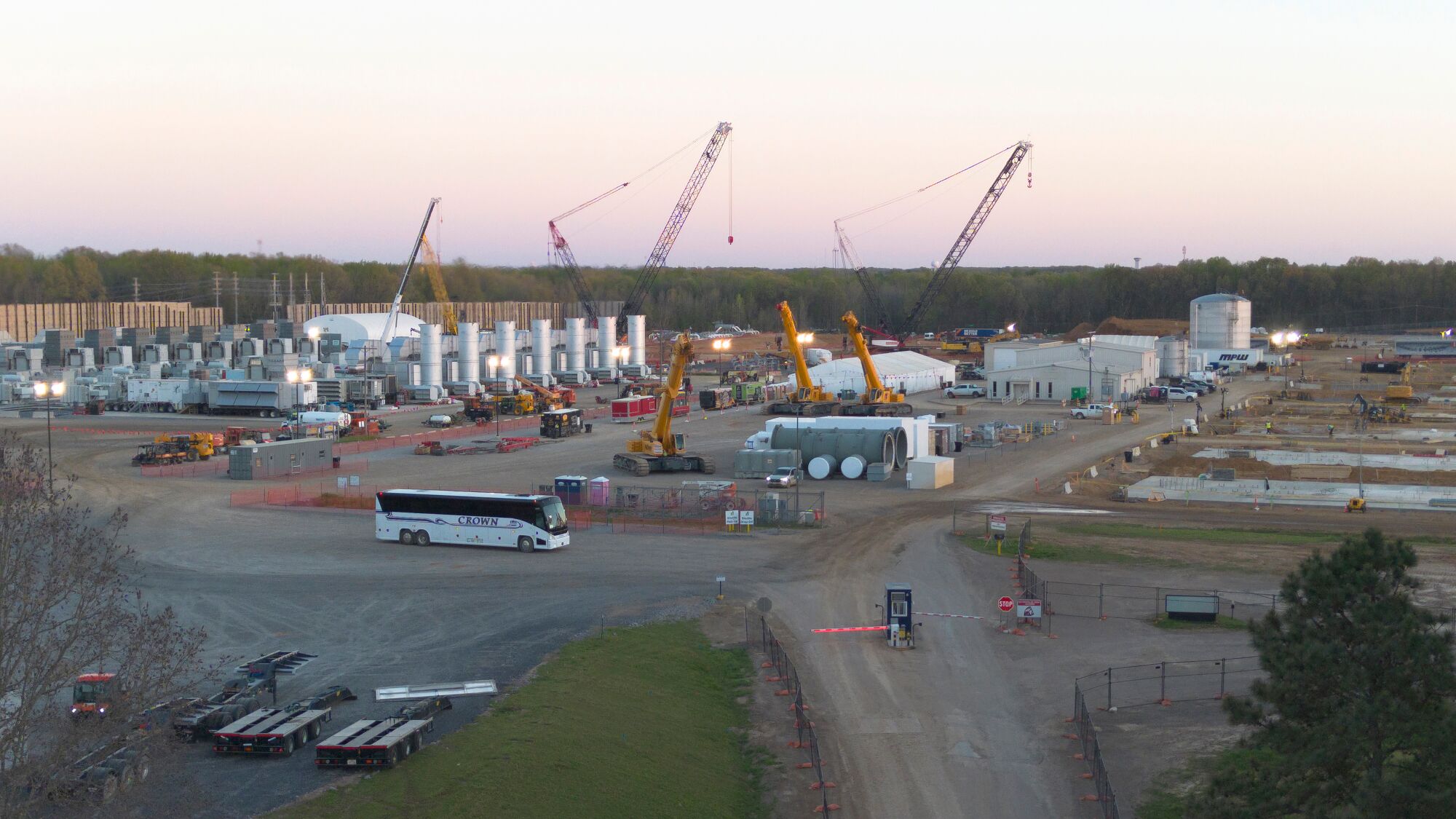
The NAACP and environmental law organization Earthjustice filed a federal lawsuit Tuesday against Elon Musk's artificial intelligence company xAI, alleging the company installed and operated 27 natural gas-burning turbines at its Memphis-area data center without obtaining legally required air permits — releasing toxic smog into communities of color that already struggle with some of the worst air quality in the South.
The lawsuit, also supported by the Southern Environmental Law Center, was filed in federal court and targets xAI's subsidiary MZX Tech, LLC over actions it says took place between August and December 2025. According to the complaint, xAI powered its "Colossus 2" data center — the facility that runs its Grok AI chatbot — using the turbines while deliberately avoiding the permit process required under the federal Clean Air Act.
If fully operational, the 27 turbines would have the capacity to emit more than 1,700 tons of nitrogen oxides per year, according to the plaintiffs' environmental modeling. That would make xAI's Southaven, Mississippi facility the single largest industrial source of smog-forming pollution in the greater Memphis metropolitan area — a city that already fails to meet national air quality standards for ground-level ozone, a pollutant linked to asthma, heart disease, and premature death.
The communities most affected are disproportionately Black. Boxtown, a historic African American neighborhood in Memphis, lies directly in the pollution corridor downwind of the xAI facility. "This company came in, set up a massive power plant, and never even bothered to ask if it was legal," said Jerome Burgess, a Boxtown resident and local environmental activist who has been tracking the project since construction began. "They knew what they were doing and they did it anyway because they thought no one would stop them."
NAACP President Derrick Johnson said in a statement that the lawsuit reflects a broader pattern of wealthy technology companies siting their most pollution-intensive infrastructure in Black and low-income communities. "Environmental justice is not an afterthought — it is a legal right," Johnson said. "xAI has treated this community as an acceptable sacrifice for its profit margins, and we intend to hold them accountable."
The suit asks the court to declare that xAI violated the Clean Air Act, order the company to immediately cease operating the unpermitted turbines, and require the installation of the best available pollution control technology on any future operations. It also seeks financial penalties for every day of illegal operation.
Separately, the NAACP is petitioning Mississippi state environmental regulators to revoke a permit issued to xAI in March 2026 that would allow the company to add 41 permanent natural gas turbines at the Southaven site. That permit, critics say, was approved with minimal environmental review and inadequate public comment from affected residents.
xAI did not respond to requests for comment before the lawsuit was filed. The company has previously defended its Colossus operations as essential to maintaining the computational capacity required for advanced AI development and has framed the Memphis data center as an economic boon to the region, citing job creation and local spending.
The Colossus facility is one of the largest AI training clusters in the world, housing tens of thousands of Nvidia graphics processors used to train and run Grok, xAI's conversational AI system. Demand for computing power in the AI industry has surged dramatically in recent years, and companies including xAI, Microsoft, and Google have rushed to build or expand data centers, often at the expense of public transparency about their environmental impacts.
Environmental advocates say this case could set an important legal precedent for how the Clean Air Act applies to the booming AI infrastructure sector, which has largely escaped the regulatory scrutiny applied to traditional industrial facilities.