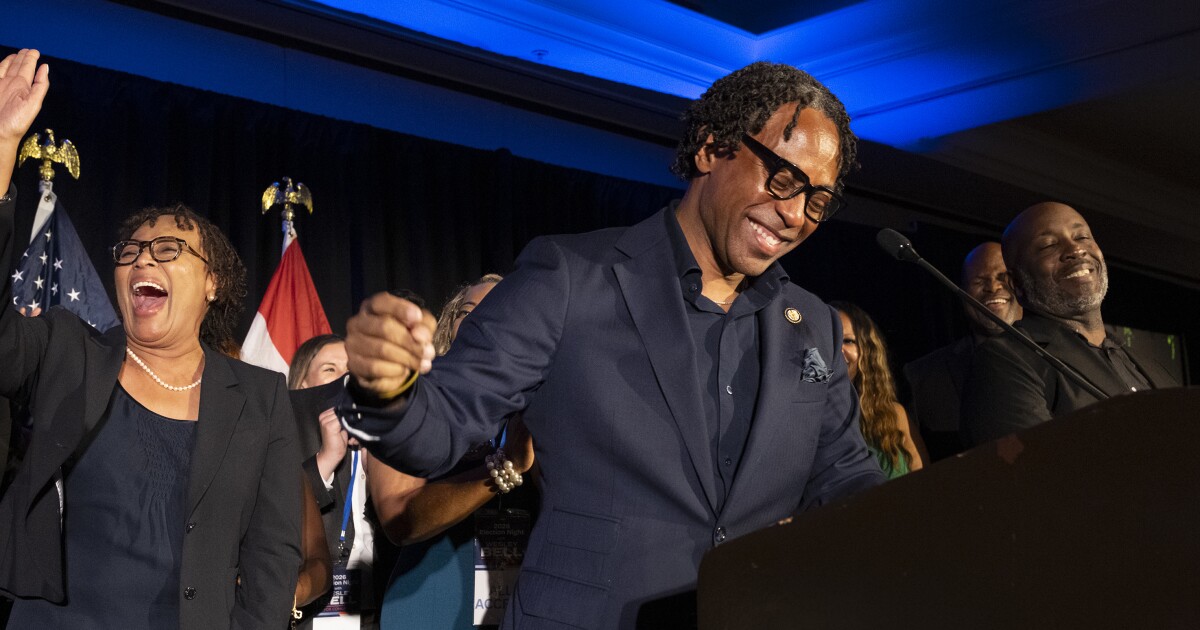
McMorrow's Exit Turns Michigan's Senate Primary Into a Centrist-vs-Progressive Brawl
With state Sen. Mallory McMorrow out of the race, Michigan's Aug. 4 Democratic primary narrows to a high-stakes showdown between Rep. Haley Stevens and progressive Abdul El-Sayed.
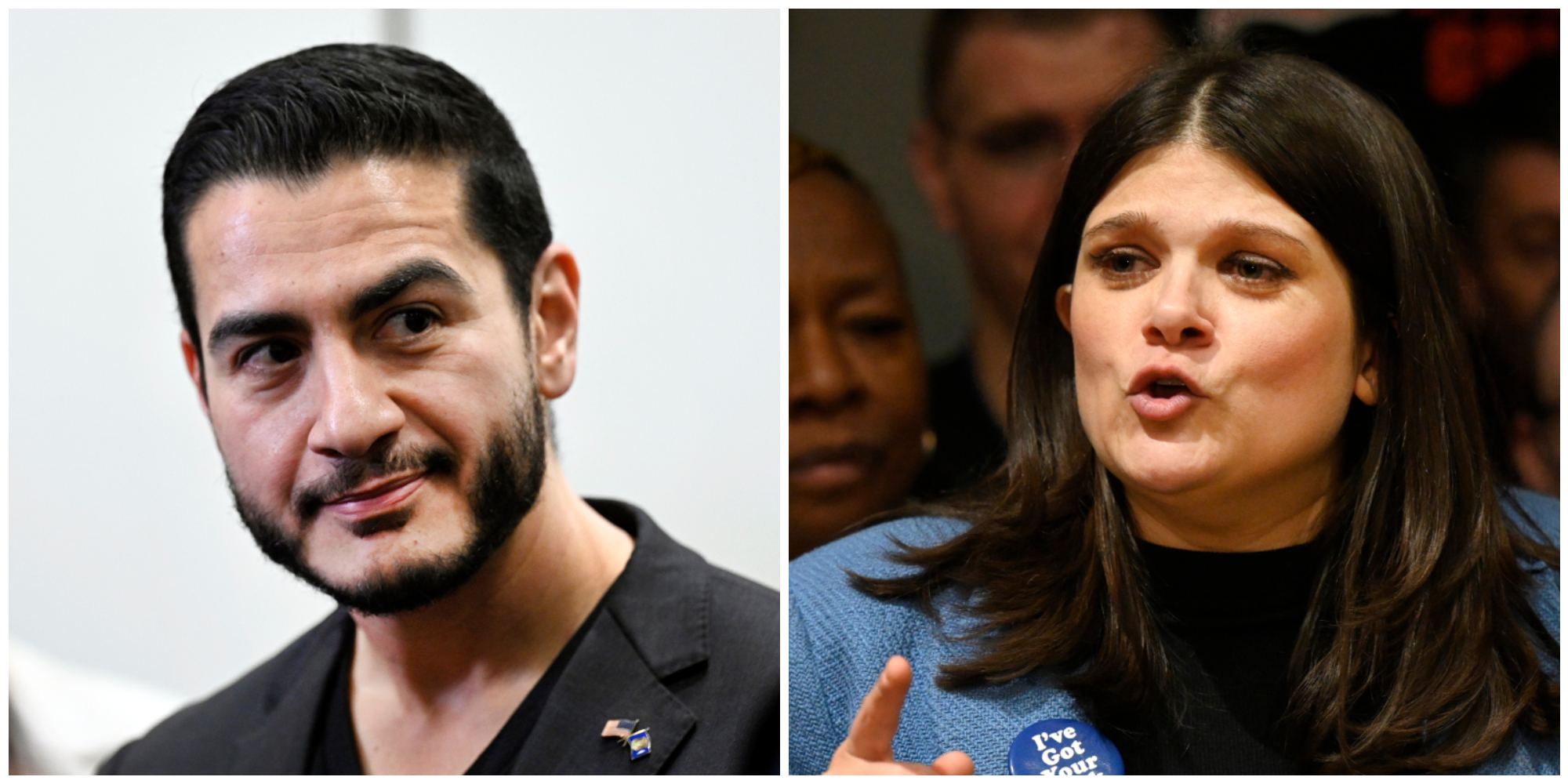
Michigan's Democratic Senate primary has sharpened into a two-way ideological contest after state Sen. Mallory McMorrow suspended her campaign, leaving Rep. Haley Stevens and progressive Abdul El-Sayed to fight for the party's nomination ahead of the Aug. 4 vote.
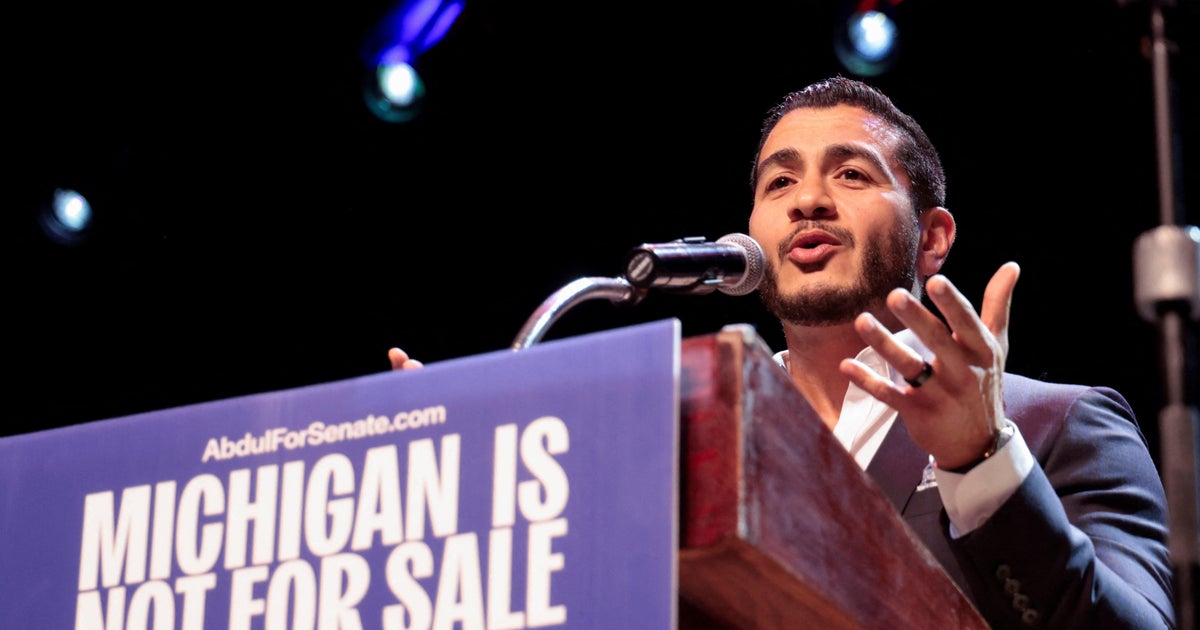
Stevens, a suburban Detroit congresswoman, is running as the establishment choice, with private backing from Senate Democratic leadership. El-Sayed — a physician and epidemiologist who once ran the Detroit Health Department — is campaigning from the left, championing single-payer health care and drawing energy from the party's progressive base. The two faced off in a televised debate that laid bare the divide between the wings of the party.
No issue has separated them more starkly than Israel. El-Sayed, a vocal critic of continued U.S. military support for the Israeli government, has hammered Stevens over the millions of dollars in advertising that groups aligned with the American Israel Public Affairs Committee, or AIPAC, have poured into boosting her campaign. He argues that money tied to the group is being used to elevate rivals who will not back cuts to U.S. funding for Israel.
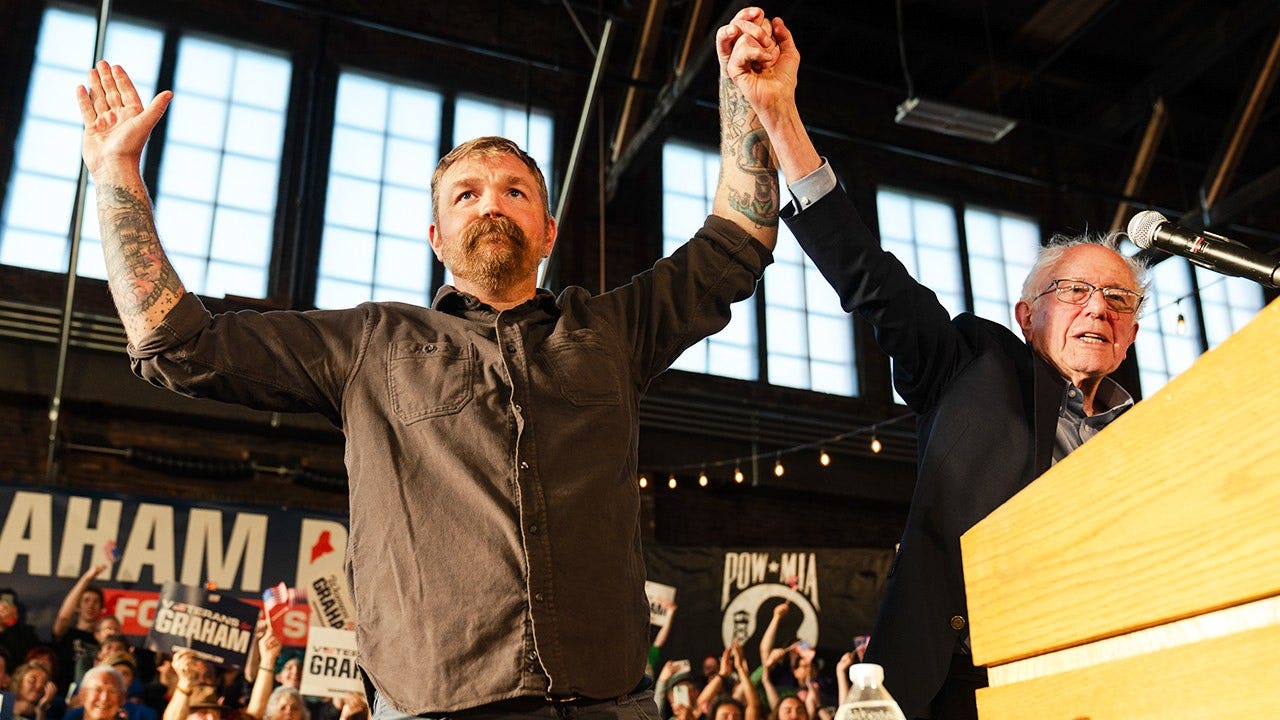
Stevens has leaned on institutional support, including the backing of Senate Minority Leader Chuck Schumer, positioning herself as the pragmatic candidate best equipped to win a general election in a perennial battleground state. El-Sayed, by contrast, has assembled a coalition of high-profile progressives, winning endorsements from Sen. Bernie Sanders and Rep. Alexandria Ocasio-Cortez as he seeks to convert grassroots enthusiasm into primary turnout.
The race is one of the most closely watched primaries of the 2026 cycle, in part because it doubles as a proxy war over the direction of the Democratic Party. A Stevens victory would validate the establishment's argument that electability should trump ideological purity in swing states; an El-Sayed win would mark a signature triumph for the left and send a message about the appetite for a more confrontational politics.
Michigan is one of a handful of perennial battlegrounds that both parties see as pivotal to control of the Senate, and the open-seat contest has drawn national money and attention accordingly. Strategists in both camps expect a low-turnout summer primary in which organized, motivated blocs of voters can punch above their weight — a dynamic that could favor El-Sayed's energized progressive base or Stevens's more traditional coalition, depending on who shows up.
With McMorrow's departure removing a third contender who had split the field, both remaining campaigns are racing to consolidate her supporters before early August. The winner will carry the Democratic banner into a general election expected to be among the most expensive and consequential Senate contests in the country, with control of the closely divided chamber potentially hanging in the balance.