Democrats Turn on Graham Platner as an Assault Allegation Rocks the Maine Senate Race
Prominent Democrats including Elizabeth Warren pulled their endorsements after a sexual assault claim, throwing the party's best shot at Susan Collins into chaos.
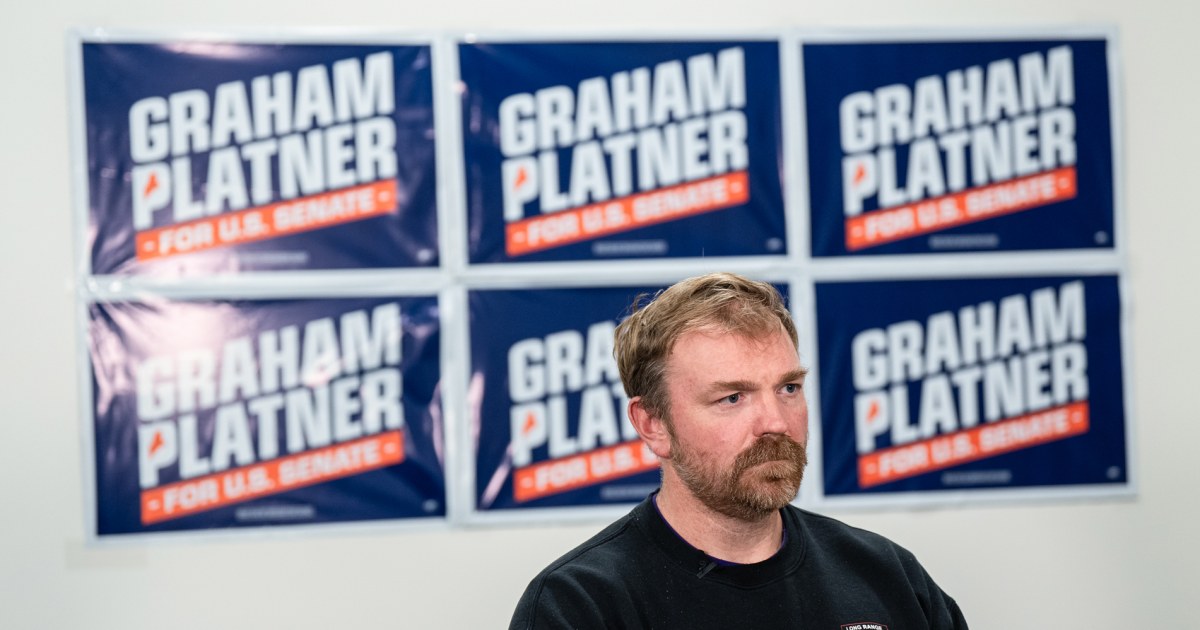
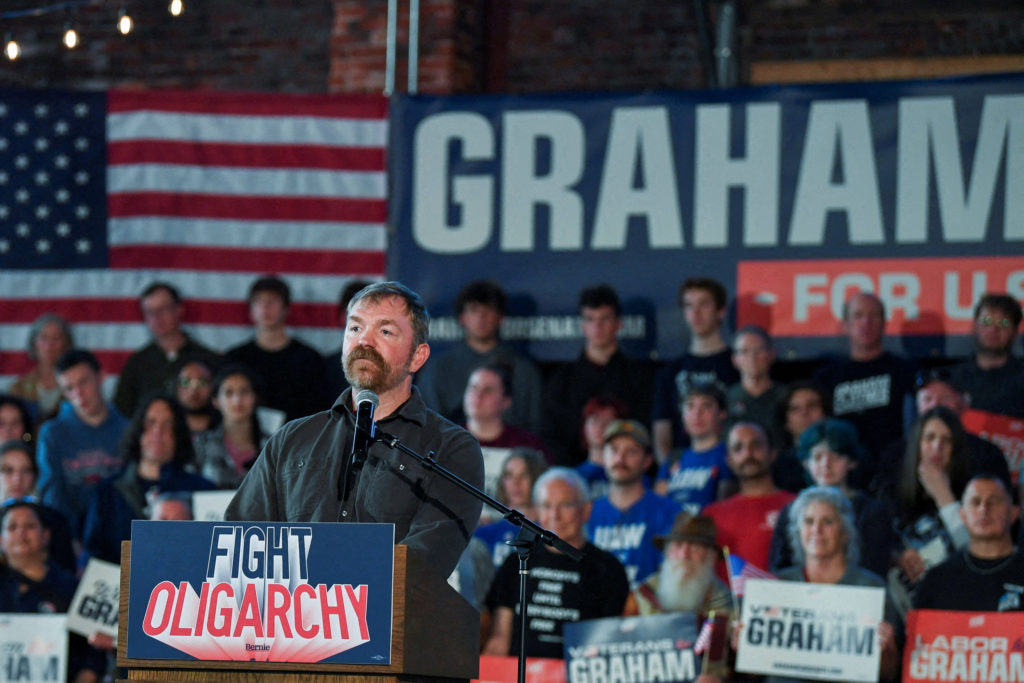
The Democratic effort to unseat Republican Senator Susan Collins of Maine was thrown into turmoil this week after a sexual assault allegation against the party's leading challenger, Graham Platner, prompted a cascade of prominent Democrats to withdraw their support and demand he leave the race.
The allegation was first reported Monday by Politico. Jenny Racicot, 41, a former girlfriend of Platner, said that in 2021 he arrived at her Maine home unannounced and intoxicated and forced himself on her despite her repeatedly telling him to stop. Platner, an oyster farmer and Marine veteran who had built an insurgent, grassroots campaign, flatly denied the account, calling it "categorically false" and insisting he had never assaulted anyone.
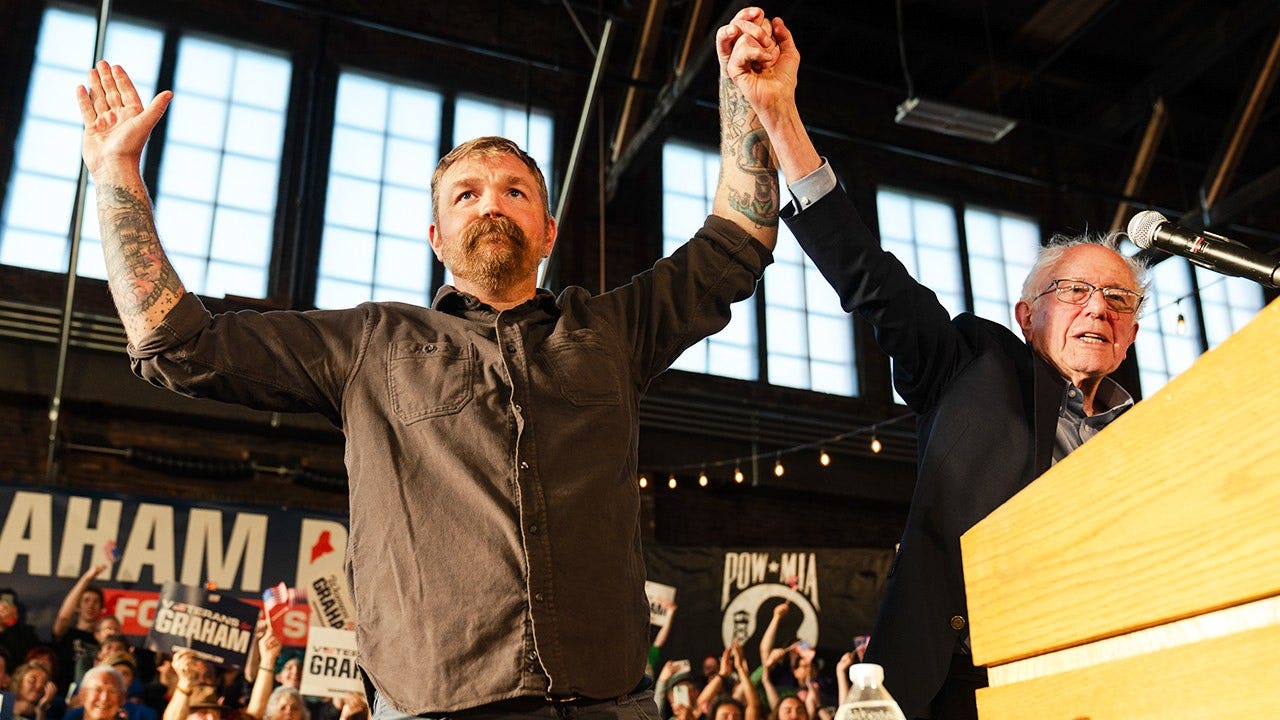
The denial did little to slow the political bleeding. In a video message, Platner said he was taking "time to reflect on the best path forward" for his candidacy, stopping short of dropping out but signaling his campaign is now in serious jeopardy. Within hours, endorsements evaporated: Senator Elizabeth Warren of Massachusetts and Representative Ro Khanna of California, both of whom had previously backed him, revoked their support, and the Maine Democratic Party joined the chorus urging him to step aside.
Time is the enemy. Under Maine election law, Platner would have to end his bid by July 13 for state Democrats to nominate a replacement in time for the general election. That narrow window has intensified the pressure from party leaders, who fear that a wounded or withdrawn candidate arriving too late to be replaced would effectively hand Collins another term against a scrambling field.
Platner had presented himself as an outsider unbeholden to the party machine, an oyster farmer and combat veteran whose plainspoken populism drew comparisons to the kind of authentic, working-class candidate Democrats have struggled to field in rural states. That same outsider brand made his campaign fragile the moment the allegation surfaced, with few institutional defenders willing to stand by him as the accusations mounted.
The stakes stretch well beyond Maine. Collins, one of the last remaining moderate Republicans in the Senate, has long been near the top of the Democratic target list, and control of the chamber in 2026 may hinge on a handful of races like this one. Party strategists had viewed Platner's blue-collar appeal as a rare asset in a state that has repeatedly split its tickets. Now, with the clock running down toward the July 13 deadline, Democrats are confronting the possibility that their most promising pickup opportunity could slip away before the primary is even held.