Markets Whipsaw as S&P 500 Falls 1.2% Then Rallies on Pakistan's Iran Ceasefire Plea
Wall Street swung from a 1.2 percent loss to a fractional gain in the final minutes of Tuesday's session after Pakistan's prime minister publicly urged Trump to extend his Iran deadline by two weeks — sending oil back below $112 and briefly calming nerves.
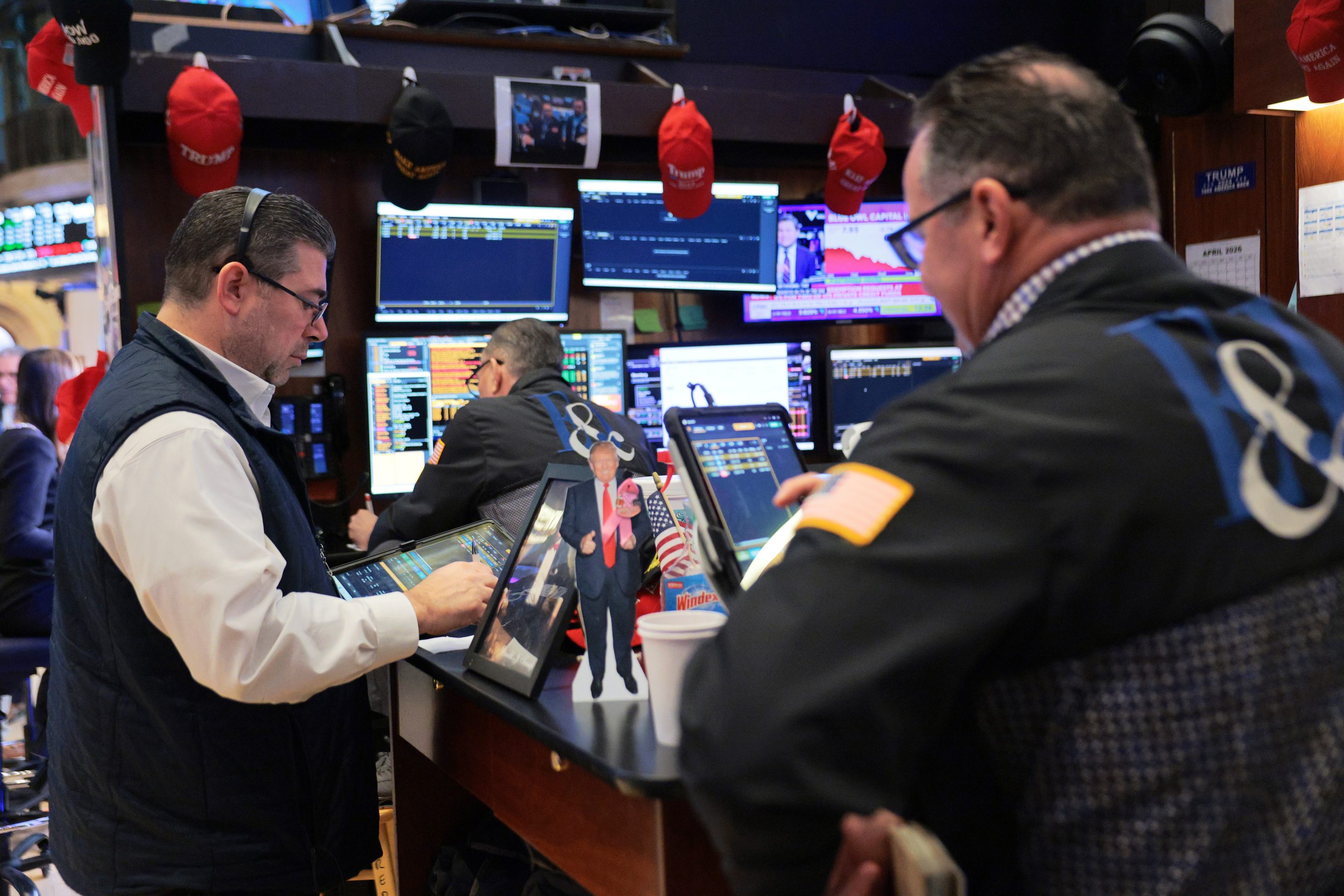
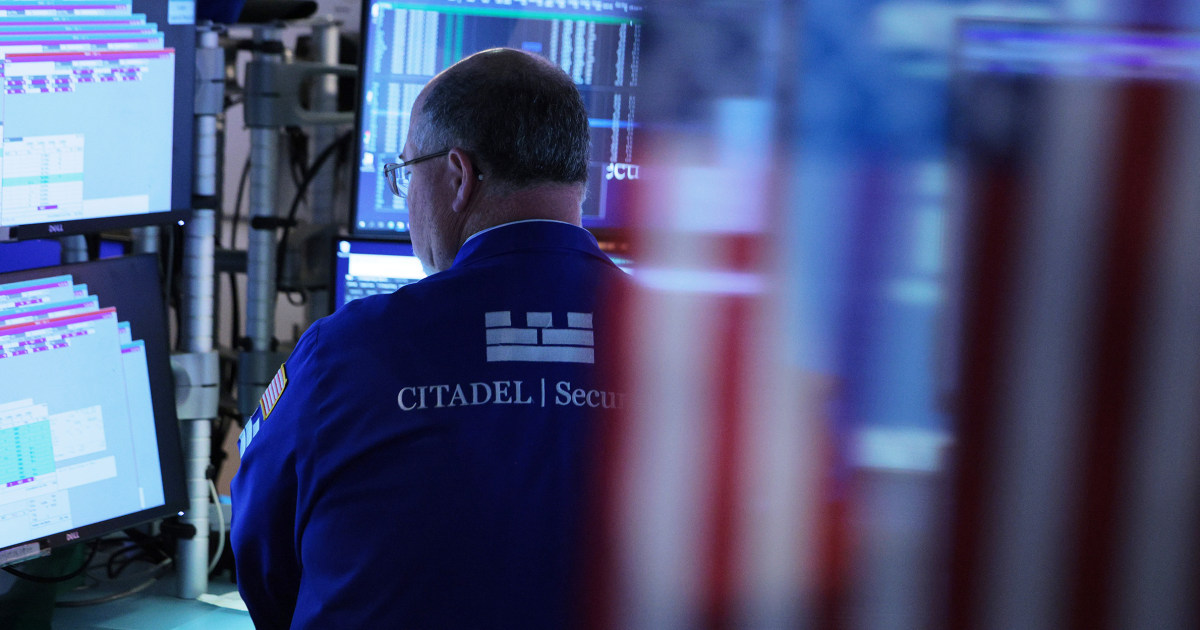
Wall Street experienced one of its most volatile sessions of the year on Tuesday as traders braced for President Trump's 8 p.m. Eastern deadline threatening to destroy Iranian power plants and bridges. The S&P 500 fell as much as 1.2 percent in early afternoon trading as oil climbed toward $115 a barrel and investors weighed the prospect of a dramatic escalation in the six-week-old U.S.-Israel war on Iran.
The sell-off accelerated after Trump posted on Truth Social that "a whole civilization will die tonight, never to be brought back again" — language that rattled equity markets and sent defensive assets soaring. The Dow Jones Industrial Average shed roughly 400 points at the session's low, while Brent crude briefly touched $114.87, its highest level since the 2008 oil shock. The ten-year Treasury yield fell four basis points as investors sought the safety of government bonds.
The turnaround came shortly before 4 p.m. when Pakistani Prime Minister Shehbaz Sharif posted an appeal on X urging Trump to extend his deadline by two weeks and asking Iran to open the Strait of Hormuz as a goodwill gesture. The S&P 500 erased all its losses within minutes of the post going viral on trading floors and ended the session up 0.1 percent. West Texas Intermediate slipped back to $112 a barrel. "In the final stretch of a jittery Wall Street session, markets got a degree of relief as Pakistan urged the U.S. for a two-week extension," noted one market strategist at a major bank.
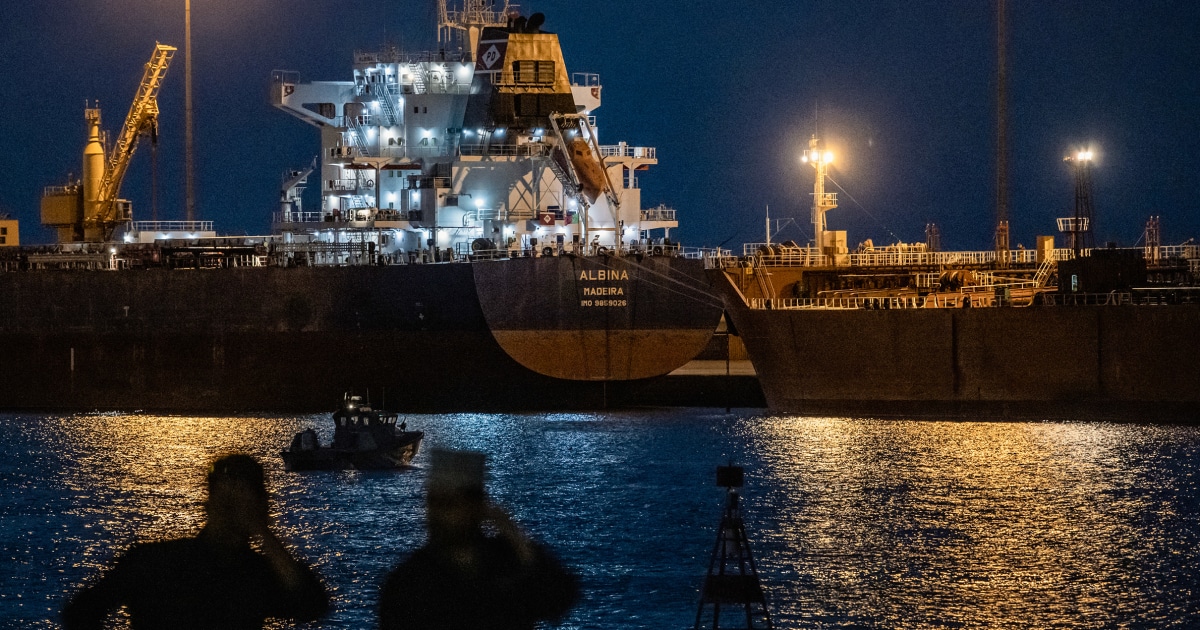
U.S. benchmark crude has now risen roughly 66 percent since the war broke out on February 28, when American and Israeli forces launched coordinated strikes against Iranian military infrastructure. The national average gasoline price reached $4.12 a gallon on Tuesday — up from $2.98 just before hostilities began — and the Energy Information Administration raised its forecast for peak 2026 gas prices to $4.30. Jet fuel, in even shorter supply than crude, averaged $195 a barrel last week, more than double the average for the same period in 2025.
The broader economic picture weighed on sentiment throughout the day. IMF Managing Director Kristalina Georgieva warned Monday that the war has already triggered the worst-ever disruption in global energy supply, telling Reuters that "all roads now lead to higher prices and slower growth." Saudi Arabia, Kuwait, the UAE, Qatar and Bahrain have collectively shut in nearly 7.5 million barrels per day of crude production, a figure the EIA expects to climb to 9.1 million barrels per day this month as producers protect facilities from Iranian missile and drone attacks.
With the ceasefire situation still unresolved as markets closed, traders said volatility is almost certain to persist into Wednesday. Options markets priced in a roughly 2 percent daily swing for the S&P 500 for the rest of the week — more than three times the historical average. "Investors are trying to price two tail risks simultaneously: the chance of a major infrastructure strike that sends oil to $150, and the chance of a diplomatic breakthrough that sends it back to $90," said a macro strategist. Both outcomes remained live possibilities as the 8 p.m. deadline approached.