Magnitude 7.8 Quake Off Mindanao Kills at Least 35, Triggers Tsunami Across Southern Philippines
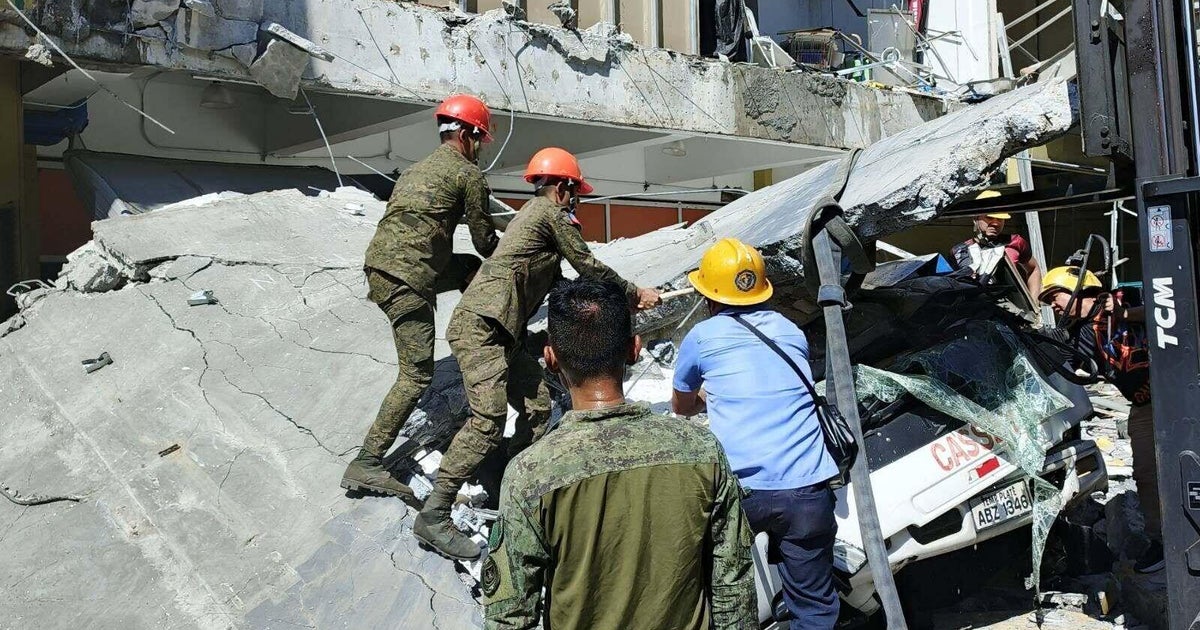
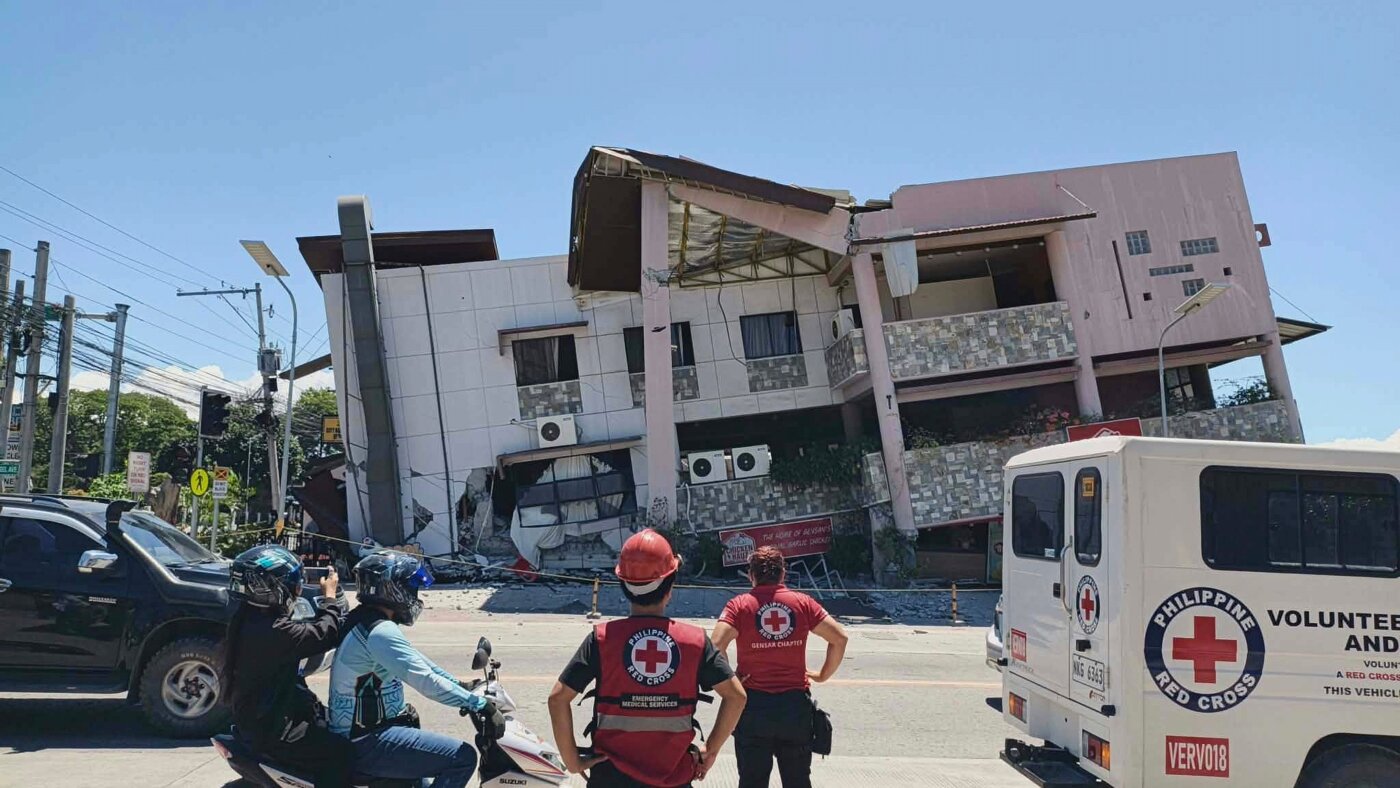
The strongest earthquake to strike the Philippines this year flattened buildings, set off coastal waves and a deadly landslide, and forced mass evacuations across Sarangani and General Santos.
A powerful magnitude 7.8 earthquake struck off the southern Philippine island of Mindanao early Monday, killing at least 35 people, leaving a dozen more missing and sending residents fleeing into the streets as tsunami waves rolled onto coastlines from Sarangani to Indonesia.
The quake hit at 7:37 a.m. local time, its epicenter located in the sea roughly 20 miles southwest of the coastal town of Maasim in Sarangani province, according to the Philippine Institute of Volcanology and Seismology, known as Phivolcs. The agency placed the depth at about 20 miles, while the U.S. Geological Survey estimated it deeper, near 34 miles. It was the strongest earthquake to hit the country so far in 2026 and was generated by movement along the Cotabato Trench, a subduction zone that has produced some of the region's most destructive shocks.
"It's a major earthquake," Phivolcs director Teresito Bacolcol said, urging people along the coast to move to higher ground as the agency and the Pacific Tsunami Warning Center issued alerts. Tsunami warnings extended across the southern Philippines and reached Indonesia, Malaysia, Palau, Japan, Taiwan and Papua New Guinea. Waves of about three feet were recorded in Sultan Kudarat and parts of Sarangani, with a surge of roughly 4.6 feet measured at Kiamba. Smaller waves of about 2.7 feet reached Indonesia and a foot lapped Palau before the threat passed some five hours after the quake.
The heaviest toll fell on Sarangani, where officials reported 17 deaths, including 13 people buried by a landslide in the town of Glan. At least seven more died in nearby General Santos, where rescuers searched for a dozen residents still missing. More than 100 students were treated for bruises and several fainted in panic as schools, which had just reopened for the new academic year, shook violently. "People dashed out of their houses," said Rod Sosmeña, the civil defense regional director, describing scenes of strong, prolonged shaking that cracked roads, toppled walls and damaged shanties in Zamboanga del Sur.
President Ferdinand Marcos Jr. ordered the suspension of classes across the affected provinces and directed disaster agencies and the Philippine Red Cross to mobilize search-and-rescue teams. Thousands of villagers were displaced, and authorities warned that aftershocks could continue for days, complicating efforts to reach landslide-hit communities in the rugged terrain of southern Mindanao.
The Philippines, which sits on the seismically active Pacific "Ring of Fire," records hundreds of earthquakes each year, though only a fraction cause significant damage. Monday's tremor was among the most powerful to strike the archipelago in decades, and officials cautioned that the death toll could rise as assessments reach remote coastal towns where communications were knocked out.