Magnitude 7.8 Earthquake Devastates Southern Philippines, Killing Dozens and Wrecking Tens of Thousands of Homes
A powerful offshore quake struck Mindanao on the first day of the school year, triggering a tsunami warning, landslides and more than 1,000 aftershocks across Sarangani and General Santos City.
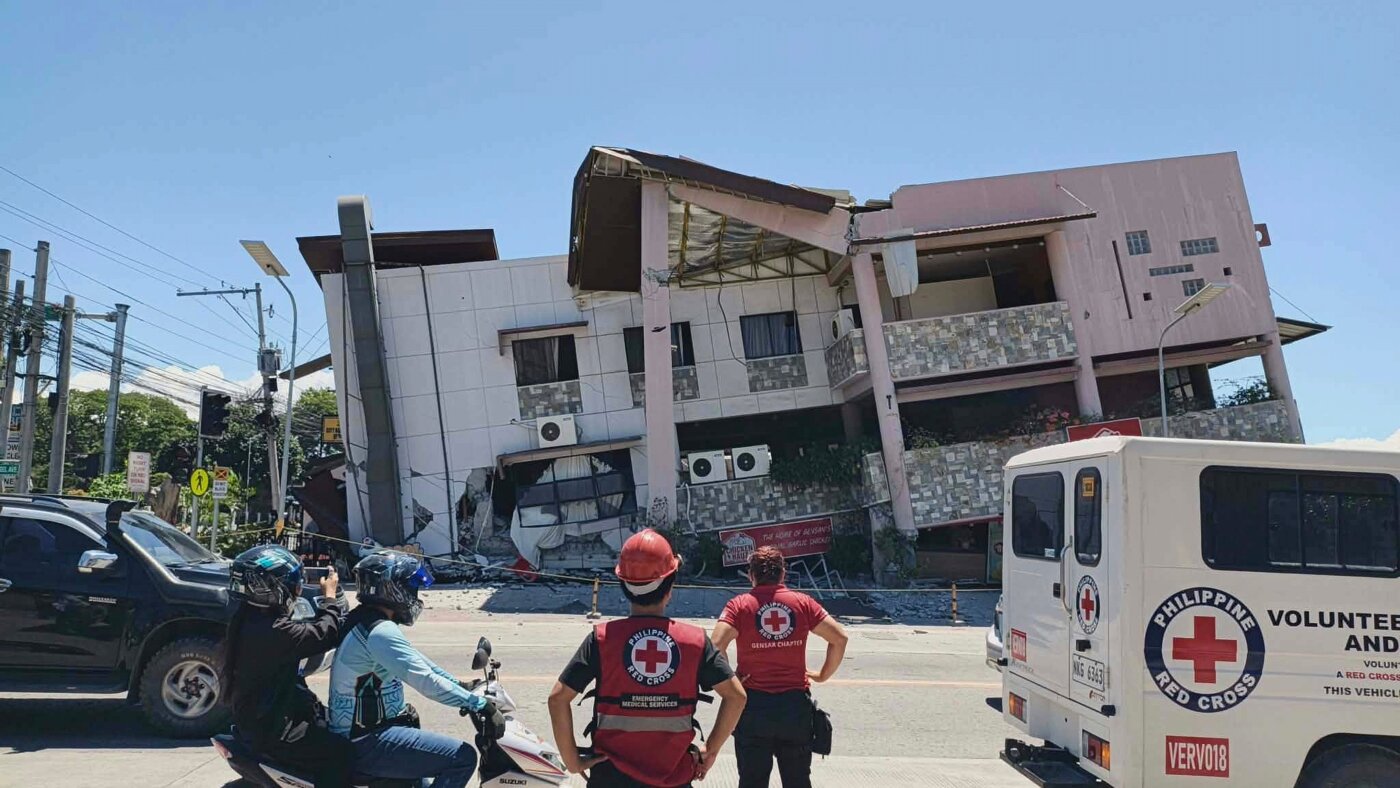
A magnitude 7.8 earthquake struck off the southern Philippine island of Mindanao on Monday morning, June 8, killing dozens of people, injuring hundreds and damaging tens of thousands of homes as buildings collapsed and landslides swept across the region.
The Philippine Institute of Volcanology and Seismology, known as Phivolcs, recorded the quake at 7:37 a.m. local time, with an offshore epicenter about 32 kilometers (20 miles) west of Maasim in Sarangani province and an estimated depth of 33 kilometers. The agency immediately raised a tsunami warning for nearby coasts, urging residents in low-lying areas to move to higher ground as the first waves were forecast to arrive within hours.
Casualty figures climbed through the day and varied across agencies. Local officials reported at least 35 dead, more than 200 injured and a dozen missing in the immediate aftermath, while later tallies from disaster response groups put the toll as high as 68 killed and over 1,300 injured. Across Mindanao, authorities estimated that more than 82,700 homes were damaged or destroyed, along with schools, hospitals and stretches of coastal road.
The timing compounded the tragedy: the quake hit on the first day of the new school year, sending teachers and students scrambling out of classrooms in General Santos City, where shaking reached intensity VIII — described by Phivolcs as "very destructive." More than 1,000 aftershocks rattled the area in the following days, hampering rescue operations and keeping frightened residents out of damaged buildings.
The Philippines sits along the Pacific "Ring of Fire," one of the most seismically active zones on Earth, and is struck by frequent quakes and typhoons. Rescue crews worked through rubble and landslide debris in the days after the disaster, and a key section of the Sarangani–Davao del Sur coastal road reopened on Thursday, June 11. International aid agencies and the United Nations pledged support as the government assessed the full scale of the destruction across the impoverished southern region.
Originally reported by NPR.