Labor Market Achieves Unprecedented Balance as Immigration Drops, Economists Warn of Fragility
Lower immigration has aligned job supply with shaky demand, but experts fear the slow-moving market could easily collapse.
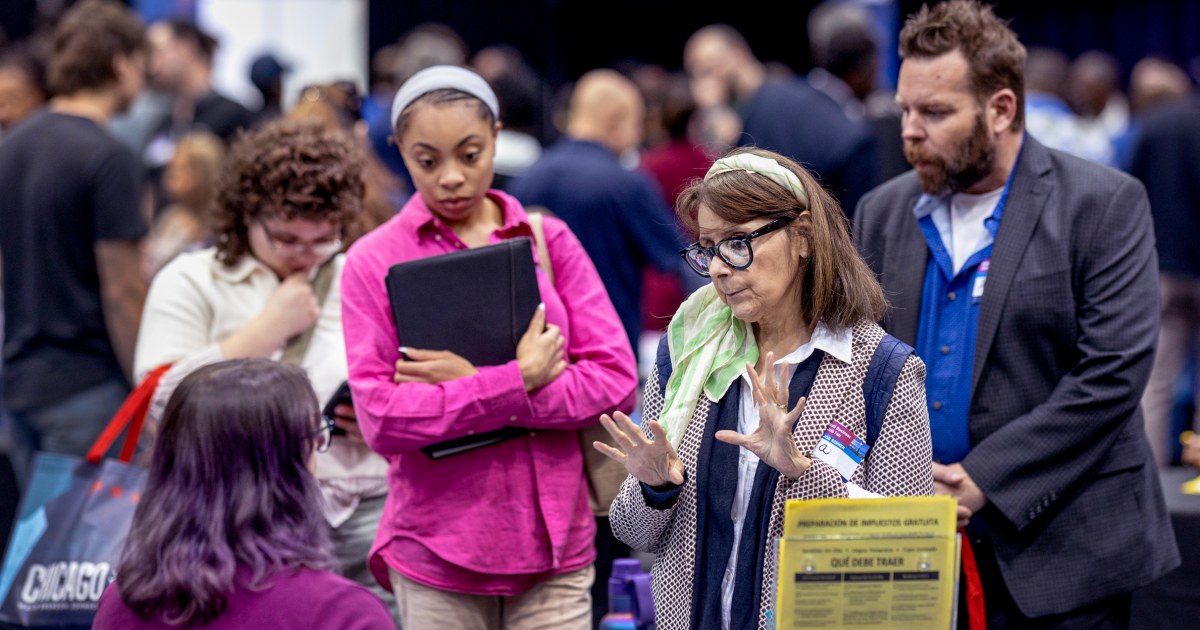
The American labor market has reached an unusual state of equilibrium between jobs and workers, a development that economists say represents both an achievement and a warning sign for the broader economy. Lower immigration levels have brought labor supply into closer alignment with what many describe as shaky demand from employers, creating a delicate balance that few anticipated. However, this newfound stability has paradoxically left both workers and employers expressing dissatisfaction with current conditions.
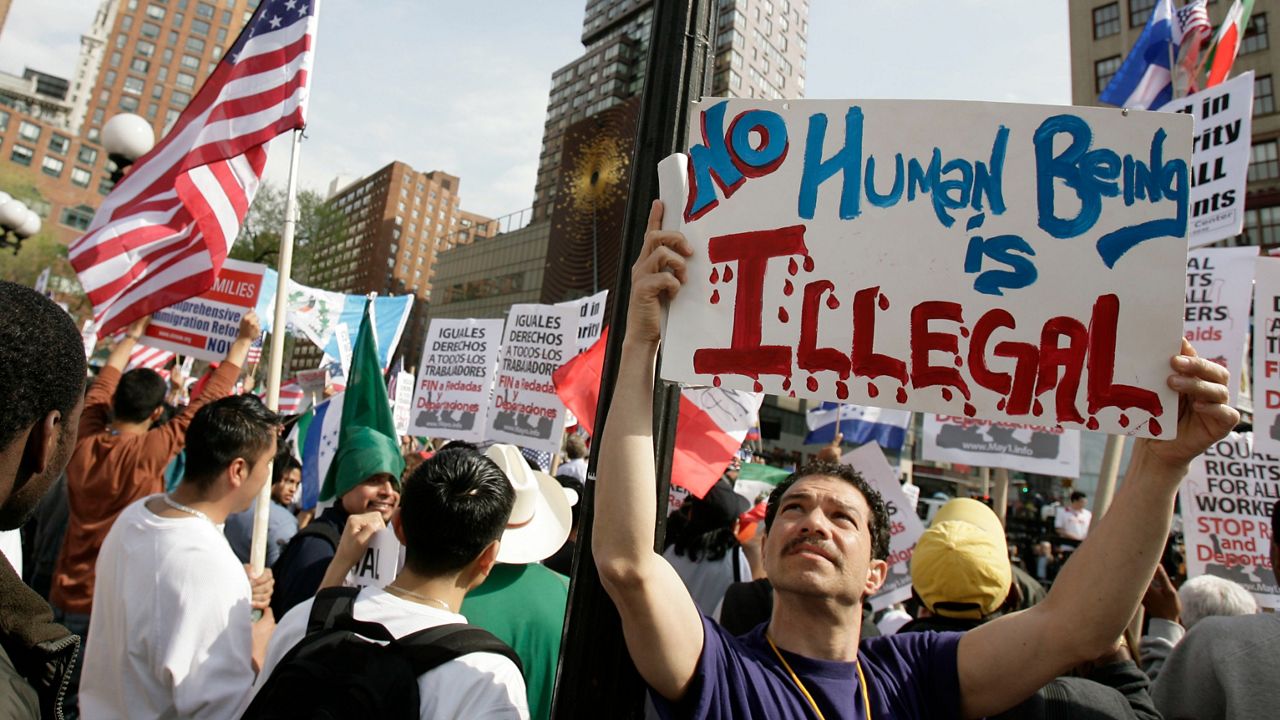
The reduction in immigration flows has been a primary driver in tightening the labor supply, effectively reducing the pool of available workers to match more closely with employer demand. This shift represents a significant change from previous years when immigration provided a steady influx of workers across various skill levels and industries. Economists note that this demographic shift has fundamentally altered the dynamics of job competition and wage negotiations across multiple sectors.
Despite achieving what appears to be a balanced labor market, neither workers nor employers seem particularly pleased with the current state of affairs. Workers continue to face challenges in finding positions that meet their salary expectations and career goals, while employers struggle with what they perceive as limited candidate pools and increased competition for qualified personnel. This mutual dissatisfaction suggests that the mathematical balance between supply and demand may not translate into practical satisfaction for either party.
Economists are increasingly concerned that this slow-moving job market, while technically balanced, lacks the dynamism and resilience needed to weather economic shocks. The current equilibrium appears precarious, with experts warning that even minor disruptions could cause the entire system to tip over into either significant labor shortages or widespread unemployment. The lack of flexibility in the system has created what many describe as a fragile stability that could be easily disrupted.
Policymakers now face the challenge of maintaining this delicate balance while preparing for potential disruptions that could destabilize the labor market. The current situation highlights the complex relationship between immigration policy, economic growth, and employment dynamics. As the economy continues to evolve, maintaining stable employment levels while ensuring adequate workforce flexibility will require careful policy coordination and economic management strategies.