3,800 Meatpacking Workers Walk Off Job at JBS in First U.S. Beef Slaughterhouse Strike in 40 Years
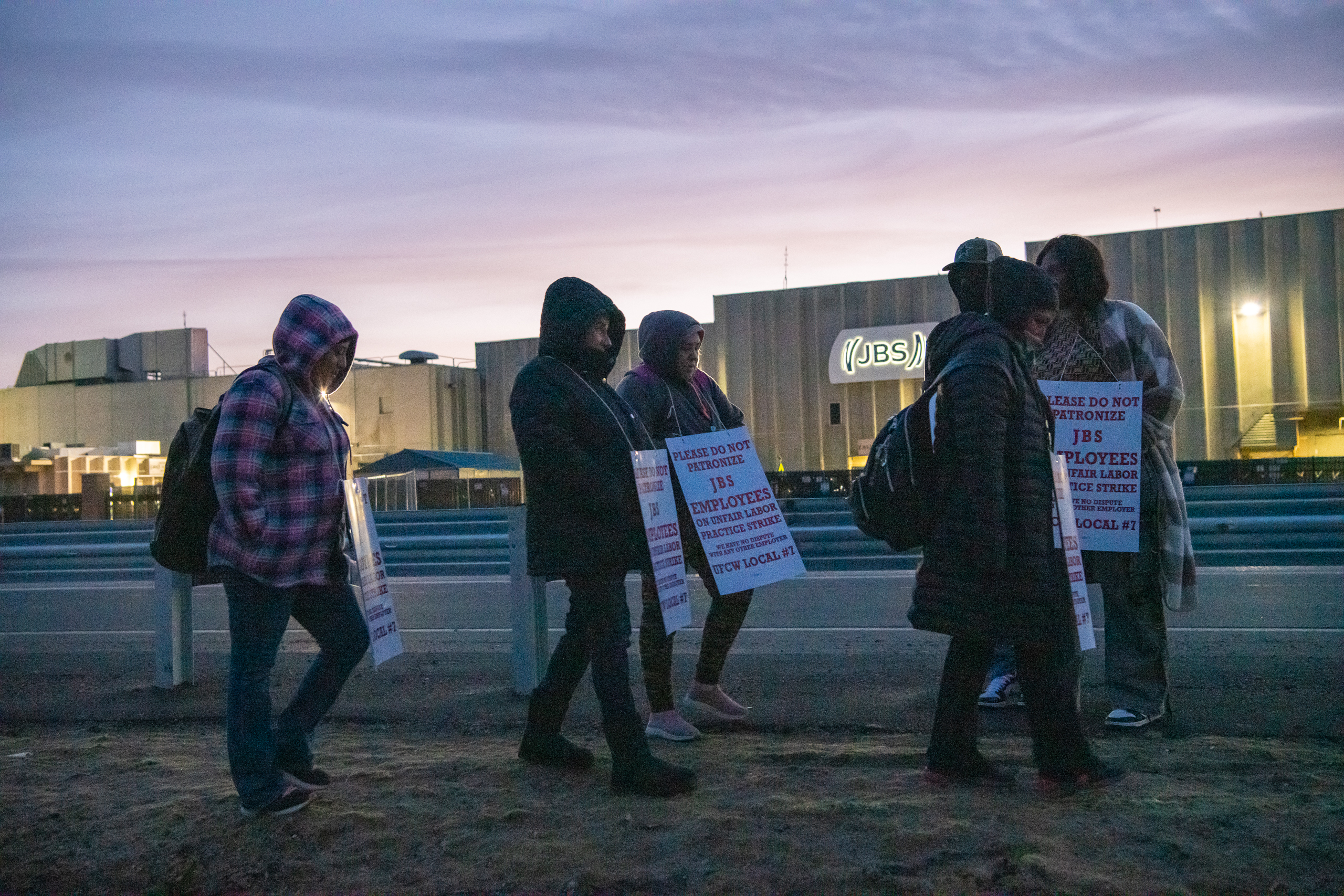
Entering their fifth day on the picket line Friday, workers at JBS USA's Greeley, Colorado plant — 99% of whom voted to strike — are demanding higher wages, safer equipment, and better healthcare from the world's largest meatpacking company, which is offering less than 2% annual raises.
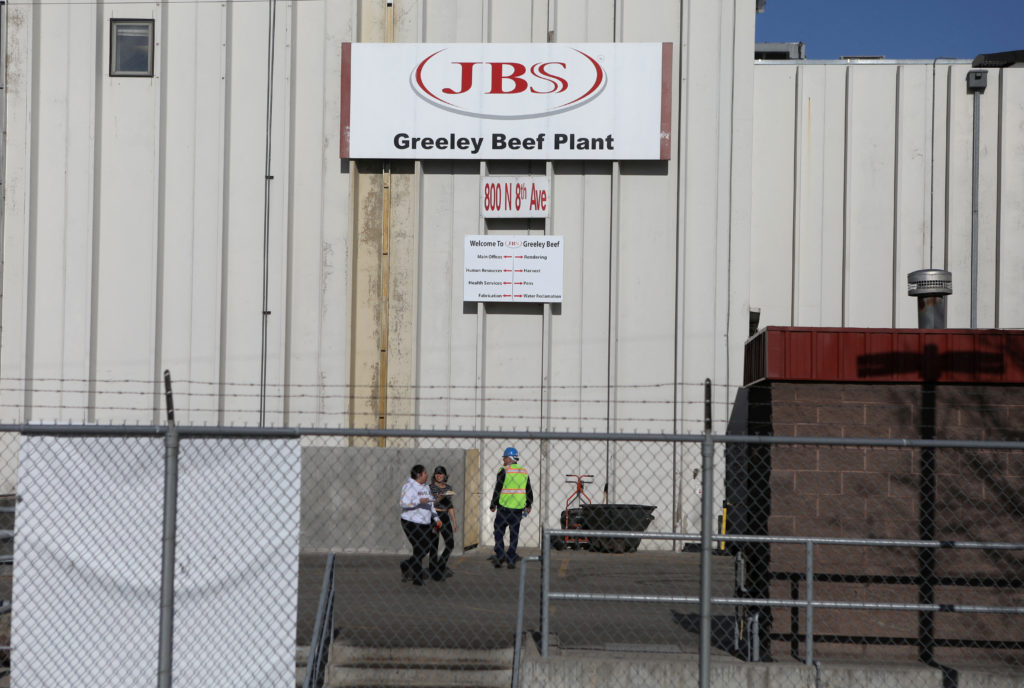
Nearly 4,000 meatpacking workers at the JBS USA plant in Greeley, Colorado, entered the fifth day of a historic strike Friday, marking the first walkout at a U.S. beef slaughterhouse in four decades and putting a significant dent in the nation's beef supply at a time when prices are already near record highs. The United Food and Commercial Workers Local 7 called the strike effective March 16, citing a collapse in contract negotiations over wages, safety equipment, and healthcare.
Approximately 3,800 workers — 99 percent of whom voted to authorize the strike — walked off the job at the Swift Beef Co. plant, which is owned by JBS USA, the world's largest meatpacking company by revenue. The Greeley facility is one of the largest beef processing plants in the United States, slaughtering and processing between 5,000 and 6,000 head of cattle each day, roughly 5 percent of America's daily beef-processing capacity. The plant is also the largest employer in Greeley, a northern Colorado city of approximately 114,000 residents, making the labor action an economic earthquake for the entire Weld County region.
Workers and union leaders cited a long list of grievances driving the walkout. Chief among them is JBS's contract offer, which the union says would provide average annual wage increases of less than 2 percent — well below Colorado's current inflation rate. The union also alleges that JBS charges workers more than $1,100 per year to offset the company's cost of providing personal protective equipment, a charge that effectively cancels out what little raise the company is offering. Safety was a persistent theme among striking workers who spoke to reporters this week. Multiple employees described being required to use dull knives that increase the risk of slipping and cutting themselves, and wearing protective steel-mesh clothing that has holes worn into it. "This is a very dangerous place to work. One wrong move and you can literally die in this workplace," said Leticia Avalos, a UFCW Local 7 board member, in remarks outside the plant this week.
The union says its members have worked under an expired contract since last July and had met with company representatives more than two dozen times without reaching agreement. Union president Kim Cordova said JBS also "tried to intimidate workers to quit the union in one-on-one meetings" — an allegation the company denies. JBS responded by calling its contract offer "fair" and "strong," saying the offer is "consistent with the historic national contract reached in 2025." The company said it planned to operate the Greeley plant at reduced capacity during the strike, moving some production to other JBS facilities. JBS noted that union leadership refused to allow members to vote directly on the company's offer.
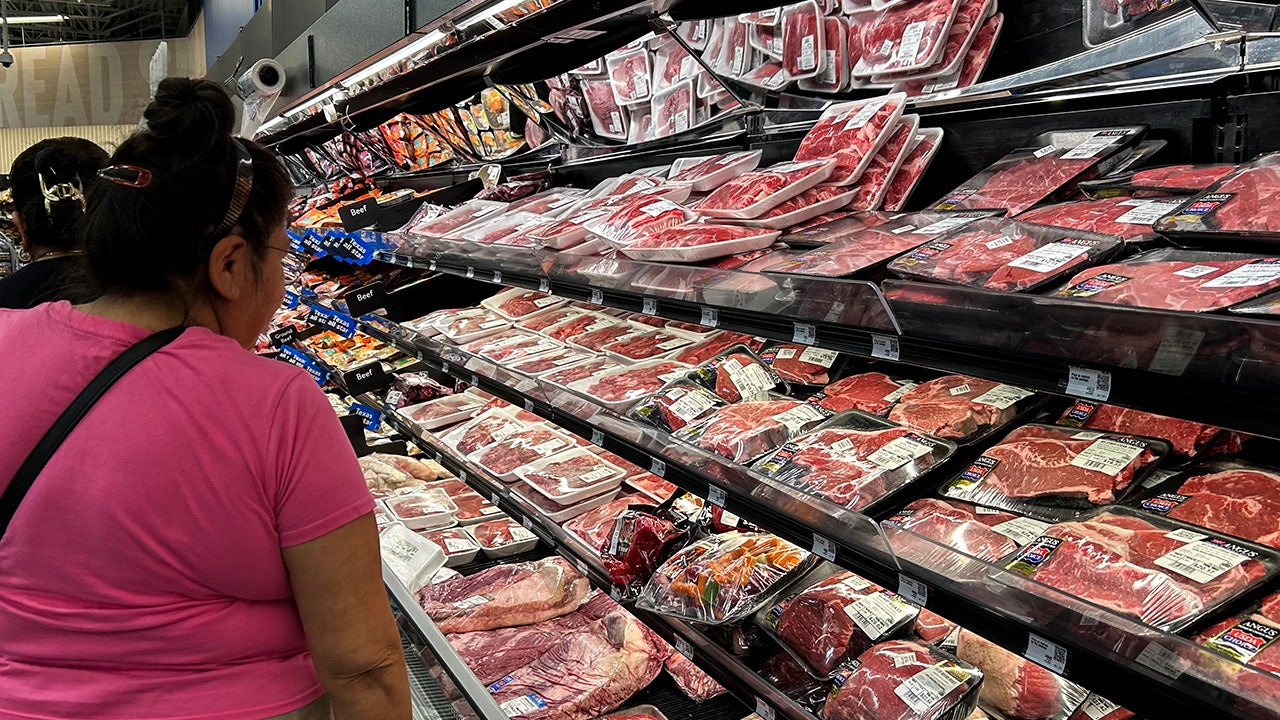
The walkout comes as national beef prices have already risen 15.2 percent over the past year, driven in large part by a U.S. cattle herd that has shrunk to its smallest size in 75 years, with just 86.2 million animals as of January 1. With a two-week strike already planned and the possibility of an extension, industry analysts say consumers should expect beef prices at grocery stores to increase further within weeks. The last comparable strike at a U.S. beef slaughterhouse occurred at a Hormel plant in Austin, Minnesota, in 1985 and lasted more than a year, resulting in violent confrontations between striking workers and replacement laborers. Both sides have indicated no formal negotiations have resumed since the strike began.