Japan 7.7-Magnitude Earthquake Triggers Tsunami Warning, 172,000 Evacuated Along Sanriku Coast
Waves up to 1.8 meters struck harbor towns; Japan’s seawall network credited with limiting inland damage near 2011 disaster zone.

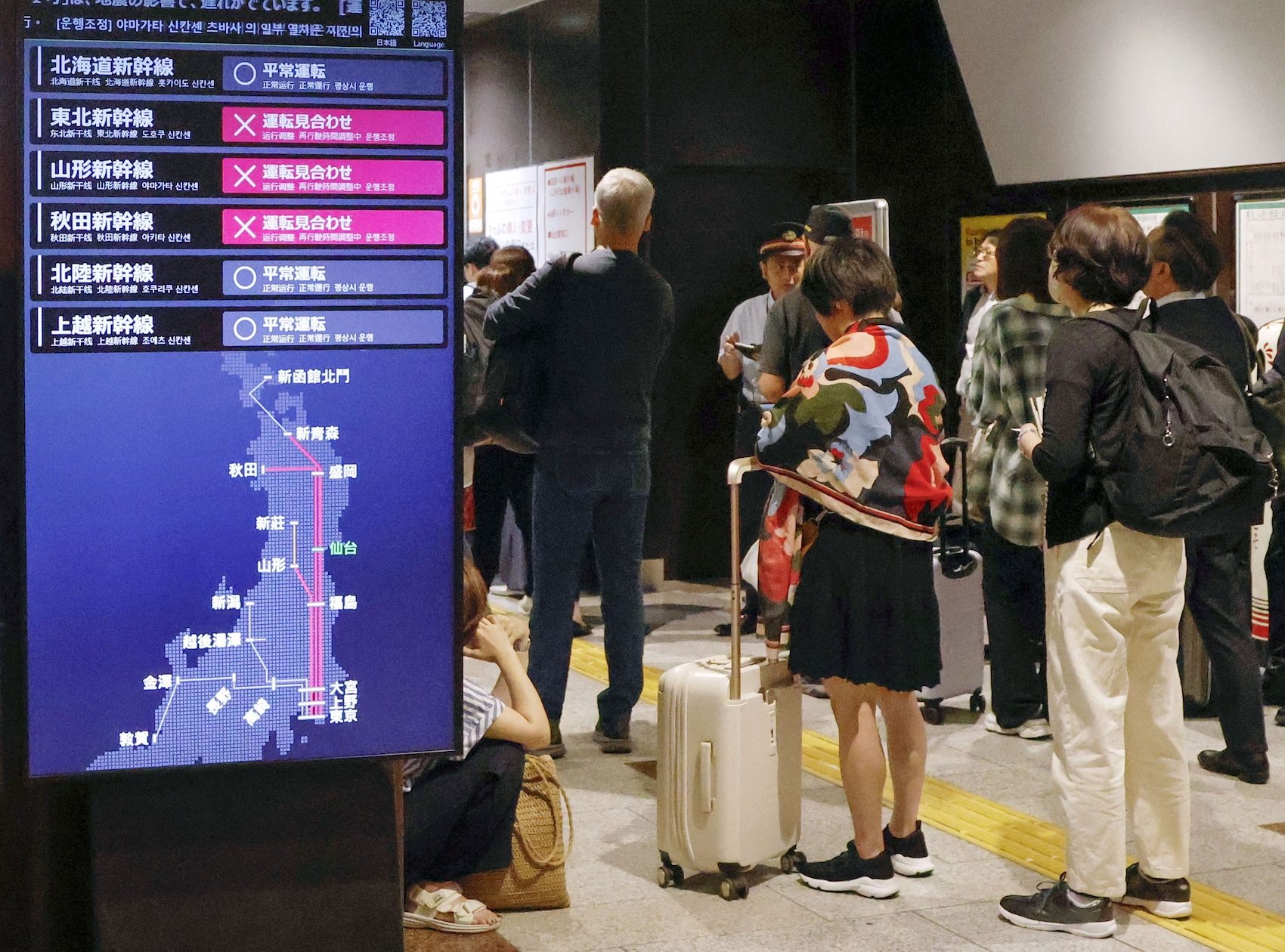
A powerful 7.7-magnitude earthquake struck off Japan's Sanriku coast on Sunday morning local time, triggering tsunami warnings across the Pacific rim, prompting the evacuation of approximately 172,000 residents from coastal communities in Iwate, Miyagi, and Aomori prefectures, and sending waves of up to 1.8 meters ashore at several harbor towns before the warnings were downgraded late Sunday afternoon.
The quake struck at 7:23 a.m. JST at a depth of 32 kilometers, approximately 85 kilometers off the coast of Miyako in Iwate Prefecture — a region that suffered catastrophic damage from the 2011 Tohoku earthquake and tsunami that killed nearly 20,000 people. The Japan Meteorological Agency issued a major tsunami warning within three minutes of the quake's detection and broadcast alerts across the nationwide emergency warning system, triggering mandatory evacuation orders in low-lying coastal zones along a 600-kilometer stretch of the Sanriku coast.
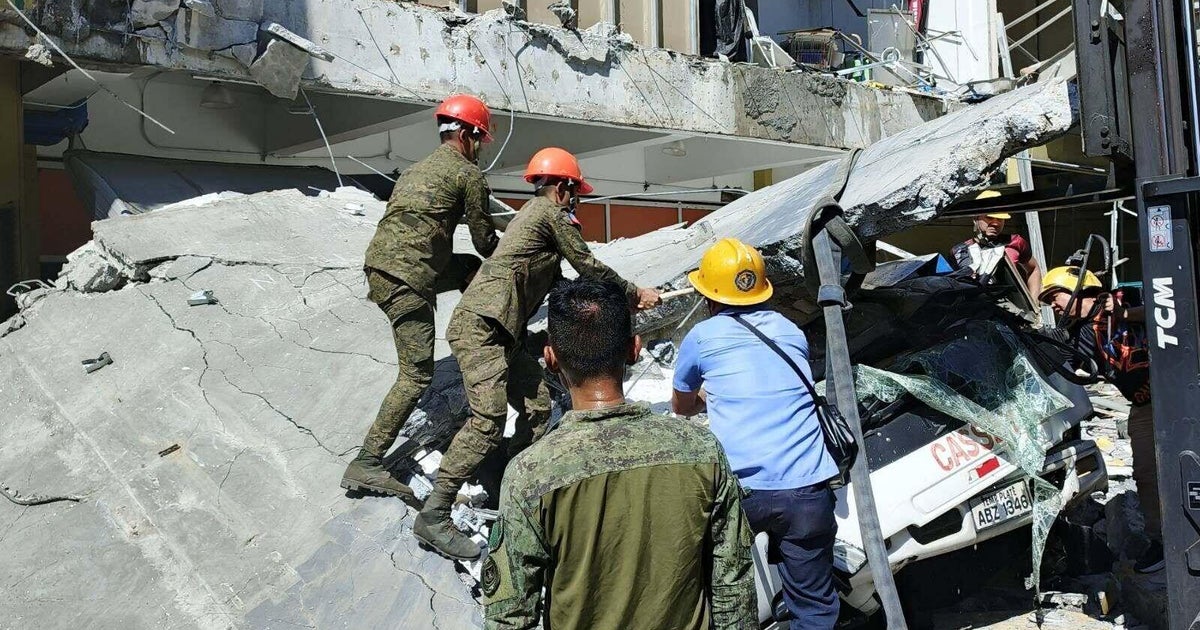
Waves of 1.2 to 1.8 meters were recorded at tide gauges in Miyako, Kamaishi, and Ofunato. Fishing vessels moored in Kamaishi harbor reported damage from wave surge, and several small structures in low-lying areas of Ofunato sustained flooding. No major structural damage to permanent buildings was immediately reported. The Japanese Self-Defense Forces deployed coastal monitoring units and pre-positioned rescue assets across all three prefectures within the first hour.
Prime Minister Sanae Takaichi convened an emergency response meeting at the Cabinet Secretariat within thirty minutes of the quake and told reporters that the government's "highest priority" was confirming the safety of all evacuated residents. Japan's Nuclear Regulation Authority confirmed that all nuclear facilities along the affected coast were operating normally and had not detected any anomalies.
The Pacific Tsunami Warning Center in Hawaii issued tsunami watches for Russia's Kuril Islands and parts of the Russian Far East, though those were cancelled by midday local time. No significant waves were recorded outside the immediate region around the epicenter.
The Sanriku coast sits at the intersection of the Pacific, Eurasian, and Philippine tectonic plates — one of the most seismically active regions on Earth. The area has experienced seven tsunamigenic earthquakes above magnitude 7 since 1900. Sunday's earthquake had a different focal mechanism than the 2011 megathrust event — seismologists described it as occurring along a slab interface rather than the main subduction fault — suggesting that while the region's seismic hazard remains extreme, Sunday's quake does not necessarily indicate increased probability of a repeat Tohoku-scale event.
Evacuation orders for most zones were lifted by 6 p.m. local time on Sunday, though residents in the lowest-elevation coastal areas of Miyako were asked to remain evacuated pending a final all-clear from the JMA. Infrastructure inspection teams began overnight surveys of coastal roads, seawalls, and port facilities.
Japan's extensive seawall construction program, which built or reinforced more than 400 kilometers of coastal barriers at a cost exceeding 12 trillion yen following the 2011 disaster, appears to have reduced the inland penetration of Sunday's waves substantially compared to what would have occurred on the pre-2011 coastline, according to preliminary analysis by researchers at Tohoku University.