Israeli Airstrikes Kill Nine in South Lebanon, Including Three Soldiers, Days After Ceasefire Deal
A strike on a vehicle near Nabatiyeh killed a brigadier general, a captain and a soldier, while a separate raid on Saksakiyah killed six, drawing condemnation from Lebanon's president as the fragile truce frays.

Israeli airstrikes on southern Lebanon killed nine people on Saturday, including three members of the Lebanese military, the Lebanese army and state media said, just days after Israel and Lebanon reached a new ceasefire arrangement meant to halt months of cross-border fighting. The deaths of uniformed soldiers — among them senior officers — threatened to unravel an agreement that was already on precarious footing.
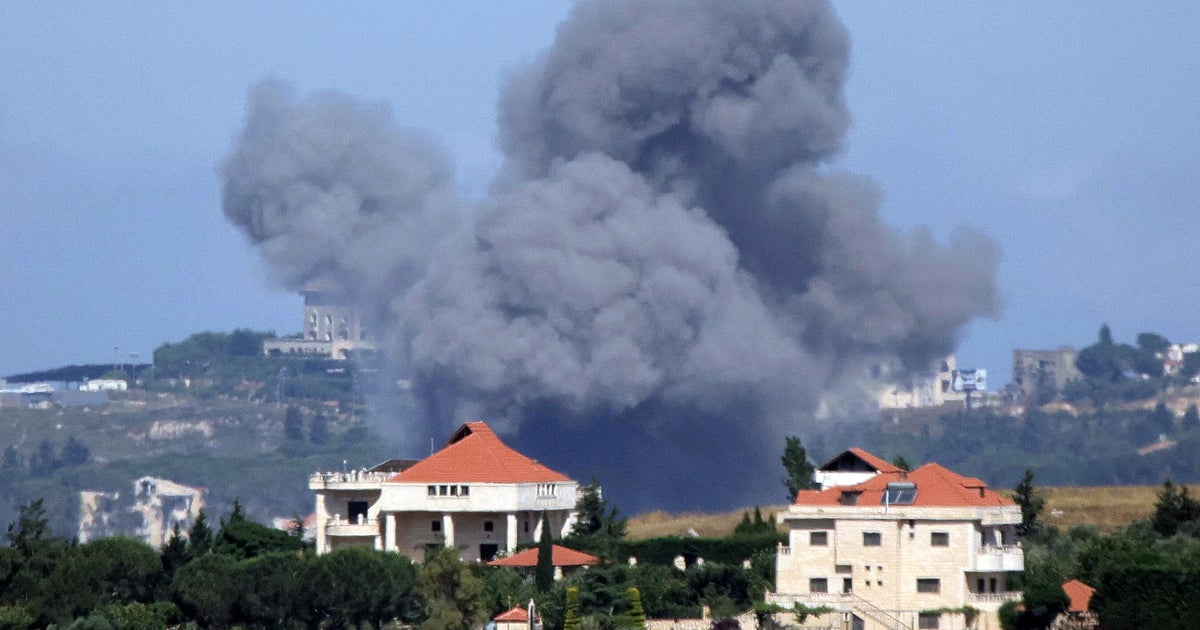
One strike hit a vehicle traveling on a road linking the city of Nabatiyeh with the town of Marjayoun, killing a brigadier general, a captain and another soldier, according to the Lebanese army. A separate airstrike on the southern village of Saksakiyah killed six people and wounded four, Lebanon's National News Agency reported. The casualties made Saturday one of the deadliest days in the south since the truce was announced.
The Israeli military confirmed that it had struck a vehicle and said the incident was under review. In a statement, the army said the vehicle had been "moving suspiciously" toward Israeli soldiers near the village of Kfar Tibnit, and that the military had received "concrete indications" that Hezbollah fighters intended to direct fire toward Israeli troops from the same area. Israel has repeatedly said it will act against what it describes as imminent threats, regardless of the ceasefire.
Lebanese President Joseph Aoun denounced the strike that killed the soldiers as "a flagrant violation to Lebanese sovereignty and international law," and demanded that international guarantors of the truce hold Israel accountable. The killing of army personnel is especially sensitive in Lebanon, where the national military is one of the few institutions that commands broad cross-sectarian respect and has been positioned as the force meant to deploy across the south under the terms of the deal.
The ceasefire itself remains contested. Hezbollah, the heavily armed Iran-backed movement that has borne the brunt of the fighting, rejected the agreement reached earlier in the week between the Israeli and Lebanese governments, arguing that it had not been consulted and would not lay down its arms while Israeli forces continued operations. That rejection has left the truce without the buy-in of the one party whose fighters are most directly engaged on the ground.
Analysts warn that the pattern of strikes-under-ceasefire risks collapsing the arrangement entirely and reigniting a full-scale war along the border. Tens of thousands of civilians displaced by earlier rounds of fighting have been reluctant to return home, uncertain whether the lull will hold. With each fresh strike, the diplomatic scaffolding around the deal grows shakier, and the prospect of a durable peace in southern Lebanon recedes further from view.