Israel Launches Over 100 Strikes on Lebanon, Killing 254, as US-Iran Ceasefire Takes Hold
Netanyahu declared the truce "does not include Lebanon" and unleashed the largest coordinated air campaign since March, killing 254 people in a single day as Vice President Vance flew to Islamabad for nuclear talks with Tehran.

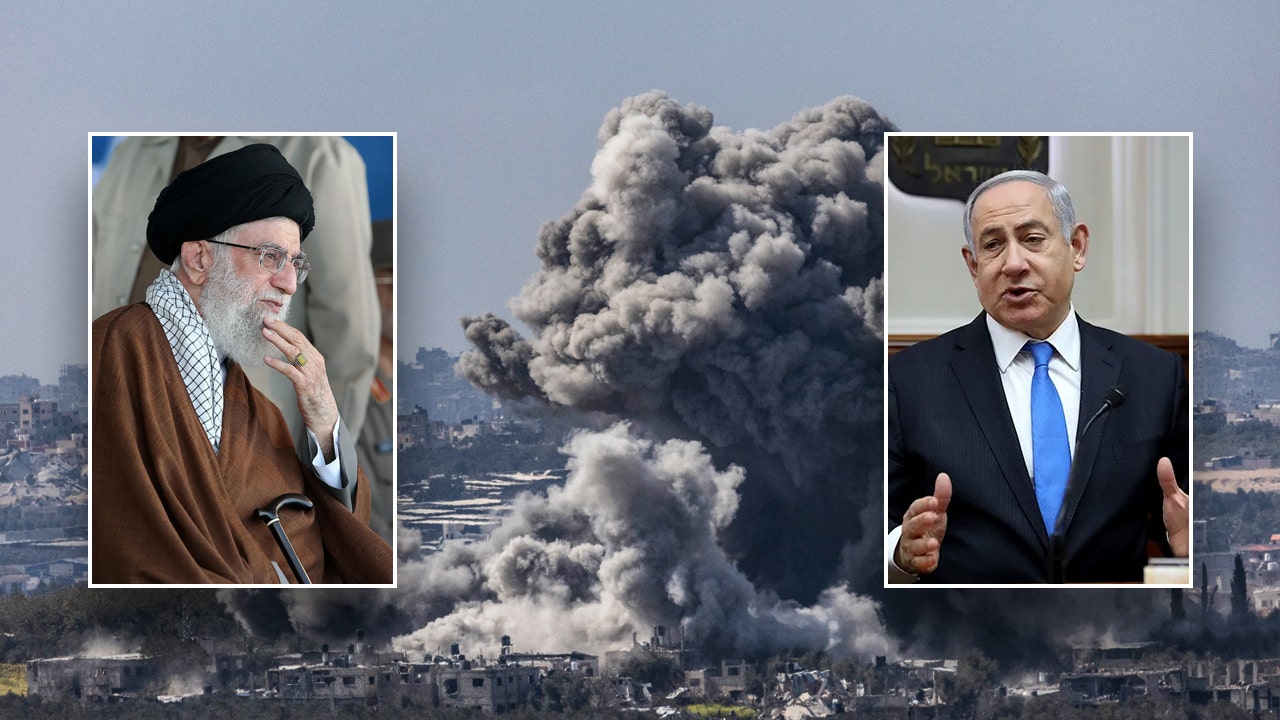
Israel launched more than 100 coordinated airstrikes across Lebanon on April 8, 2026, killing at least 254 people and wounding 1,165 others — the deadliest single day of the conflict since fighting began on March 2. The strikes came just hours after the United States and Iran announced a two-week ceasefire, prompting outrage from Beirut and the United Nations while Israeli Prime Minister Benjamin Netanyahu insisted the truce "does not include Lebanon."
The assault hit central Beirut, the Bekaa Valley, Mount Lebanon, Sidon, Tyre, and dozens of southern villages, many without advance warning. Lebanese Civil Defence teams worked through the night to pull survivors from collapsed buildings. Lebanese Prime Minister Nawaf Salam condemned the campaign as "a full-fledged war crime," while UN Coordinator Jeanine Hennis issued a stark warning to both sides: "Neither side can shoot or strike their way to victory." The Lebanese Health Ministry said the total death toll since March 2 had climbed to at least 1,953, including more than 100 women and 130 children, with more than 1.2 million people displaced across the country.
Israeli Defence Minister Israel Katz described the targets as "Hezbollah terrorists at command centres" and said the operation was designed to pressure the militant group into disarming under the terms of UN Security Council Resolution 1701. Netanyahu framed the strikes as a continuation of Israel's campaign to neutralize Hezbollah's military infrastructure along the Lebanese border, arguing that the US-Iran ceasefire was a bilateral arrangement that did not extend to Israeli operations against Iranian proxies. He said Israel was seeking direct negotiations with Beirut on a lasting ceasefire — but only on condition that Hezbollah's weapons were surrendered.
The ceasefire between Washington and Tehran had been struck on April 7, Day 39 of the wider Middle East conflict, just hours before a Trump-imposed deadline to strike Iranian infrastructure if the Strait of Hormuz was not reopened for international shipping. Vice President JD Vance departed for Islamabad on April 10, where an Iranian delegation led by Parliamentary Speaker Mohammad Ghalibaf and Foreign Minister Abbas Araghchi arrived for formal nuclear talks. Also at the table: Special Envoy Steve Witkoff and Jared Kushner. Vance told reporters en route: "We're looking forward to the negotiation. I think it's going to be positive."
Iran's Deputy Foreign Minister Majid Takht-Ravanchi said Tehran would present a 10-point plan as "the basis for the negotiations." Despite the ceasefire framework, Iranian-backed forces in Lebanon, Yemen, and Iraq have continued sporadic rocket and drone launches, testing the fragility of the agreement. Lebanon and Israel are separately scheduled to meet at the US State Department next Tuesday for bilateral ceasefire discussions, a diplomatic track that American officials hope can be kept distinct from the broader Iran nuclear negotiations.
The humanitarian situation in Lebanon has drawn comparisons to the worst stages of the 2006 Israel-Hezbollah war. Aid agencies say hospitals in southern Lebanon are overwhelmed, with the International Committee of the Red Cross reporting that two medical facilities near Tyre were struck in the April 8 campaign. France and Saudi Arabia issued joint condemnations calling on Israel to halt civilian targeting, while Germany and the United Kingdom called for an immediate humanitarian pause. Markets reacted sharply to the ceasefire announcement but less so to the Lebanon escalation, suggesting traders are pricing in a scenario where the US-Iran truce holds even as the Israeli campaign continues. Oil prices fell more than 4% following Trump's ceasefire announcement before partially recovering on reports of ongoing Lebanon strikes.