Israel Strikes Iran's Caspian Sea Navy for First Time, Destroying Warships 800 Miles From Israeli Territory
Israeli jets hit the port of Bandar Anzali in northern Iran, destroying four missile boats, a corvette, a naval command center, and a shipyard in what the IDF calls one of its most significant strikes of Operation Roaring Lion.

Israel dramatically expanded the geographic scope of its war against Iran on Wednesday, striking the Islamic Republic's naval forces in the Caspian Sea for the first time in the history of Operation Roaring Lion. The strikes, confirmed by the Israel Defense Forces on Thursday morning, targeted the port city of Bandar Anzali, some 260 kilometers north of Tehran and approximately 1,300 kilometers from Israeli territory, marking a striking demonstration of the IDF's extended operational reach.
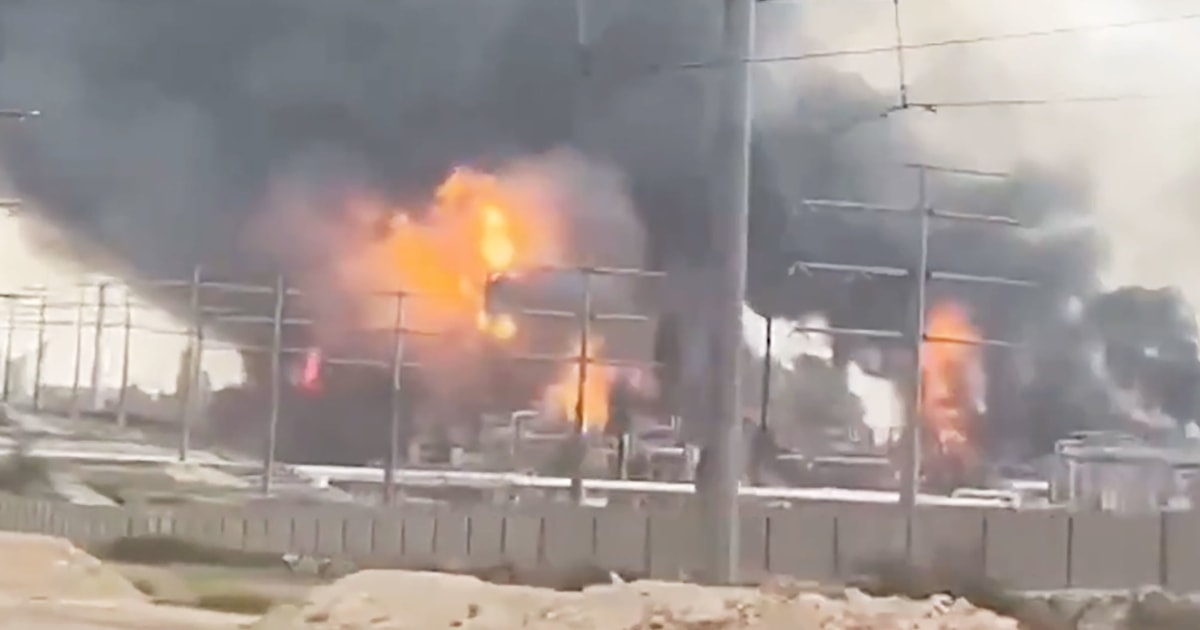
The operation destroyed at least four missile boats equipped with air defenses and anti-submarine capabilities, a corvette warship, a central naval command center, and critical infrastructure used to repair and construct Iran's military vessels. Israeli military spokesman Lt. Col. Nadav Shoshani described the strikes as unprecedented in Israel's military history: "This is the first time we have done that in our history. We were able to target their naval shipyard where they can fix or build new ships." The IDF characterized the operation as "one of the most significant strikes conducted by the IDF since the start of Operation Roaring Lion."
The Caspian Sea operation came within hours of another major escalation: Israeli jets attacked Iran's South Pars gas field on March 18, the world's largest natural gas reservoir and the source of approximately 70 percent of Iran's domestic energy supply. That strike sent global oil prices surging above $118 per barrel and drew a sharp response from Iranian Foreign Minister Abbas Araghchi, who declared Iran would show "ZERO restraint" if energy infrastructure continued to be targeted. Qatar, which shares the undersea South Pars reservoir with Iran, reported significant damage to its Ras Laffan LNG export complex and expelled Iranian diplomats within 24 hours.
The Caspian is bordered by Russia, Kazakhstan, Turkmenistan, and Azerbaijan in addition to Iran, giving the strikes a dimension that extends beyond bilateral conflict. Israel's decision to target Bandar Anzali — one of Iran's northern naval headquarters — carries strategic significance well beyond naval attrition. Analysts have described the base as a key node in Iran's supply chain with Russia, through which the Islamic Republic has received weapons components and military materiel. By destroying the port's repair facilities and operational fleet, Israel has effectively severed a major logistics corridor that Tehran has used throughout the conflict.
Israeli and American war planners have increasingly focused on degrading Iran's military capacity across multiple domains simultaneously. Since Operation Roaring Lion began on February 28, 2026, the United States and Israel have struck more than 7,800 targets across Iran, destroying 120 ships and 11 submarines. The Caspian Sea strikes represent the latest signal that despite entering its third week, the campaign is still widening in geographic scope. The Pentagon has formally requested more than $200 billion in supplemental congressional funding to sustain and expand operations, and Defense Secretary Pete Hegseth said Thursday there is no established "timeframe" for bringing the war to a close.