Israel Strikes Beirut for First Time Since Truce as Iran Fires Missiles, Threatening to Reignite War
Israeli warplanes hit Hezbollah targets in Beirut's southern suburbs on Sunday despite a U.S. plea not to, killing two. Iran responded with barrages of missiles, putting a fragile ceasefire on the brink.
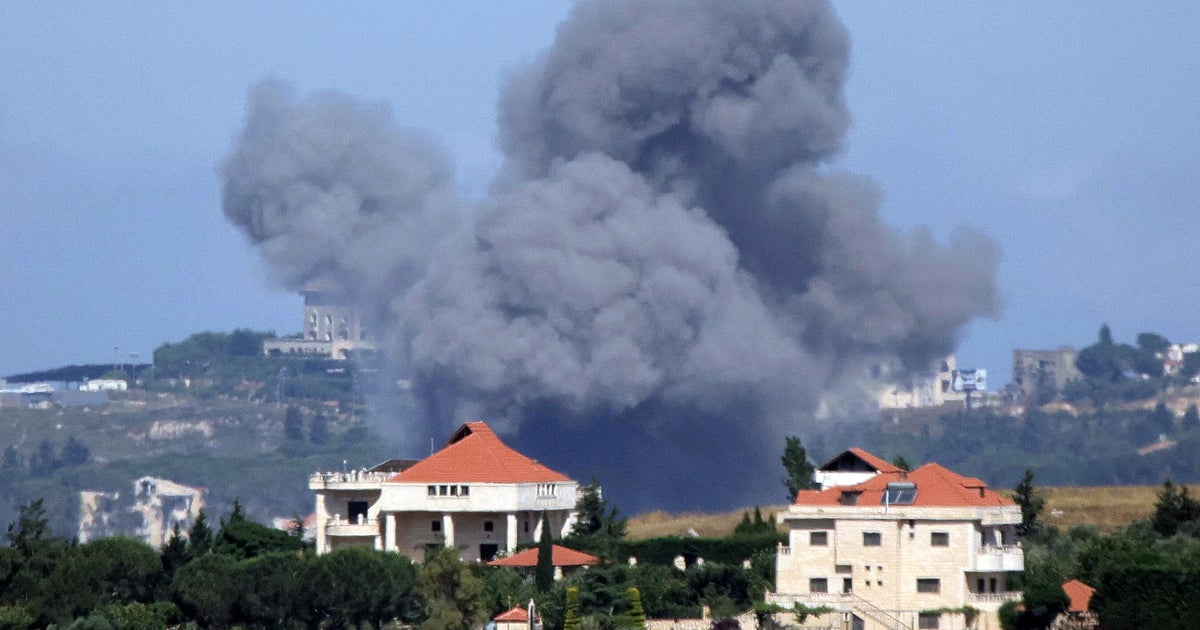
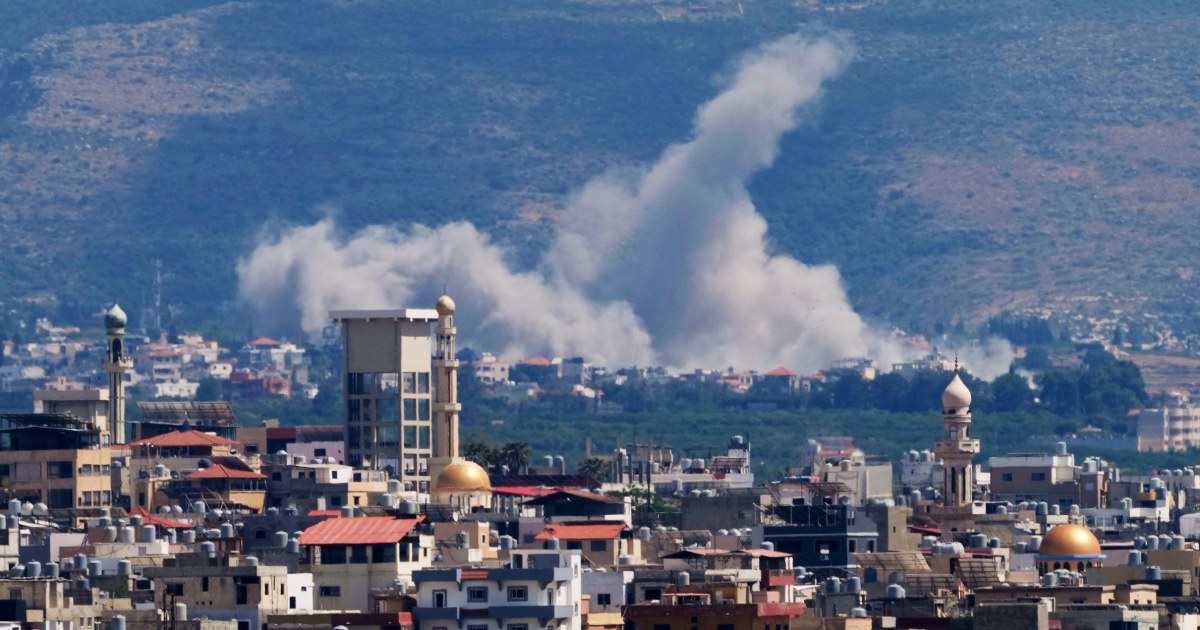
Israel struck Beirut's southern suburbs without warning on Sunday, days after a U.S.-supported ceasefire took effect and despite an explicit American request not to attack the Lebanese capital. Hours later, Iran launched multiple barrages of missiles toward Israel, pushing a fragile truce to the brink of collapse and raising the specter of a renewed regional war.
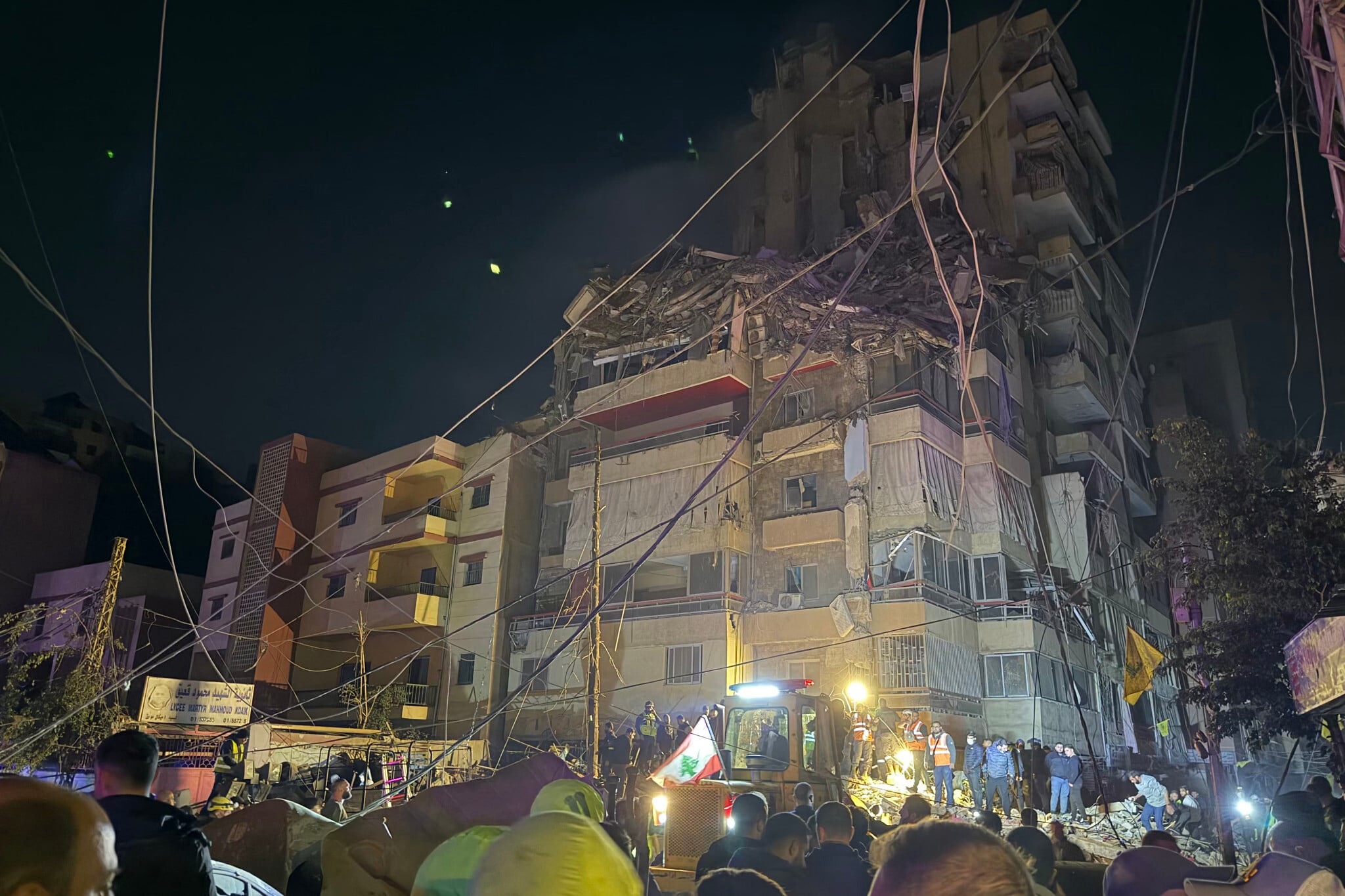
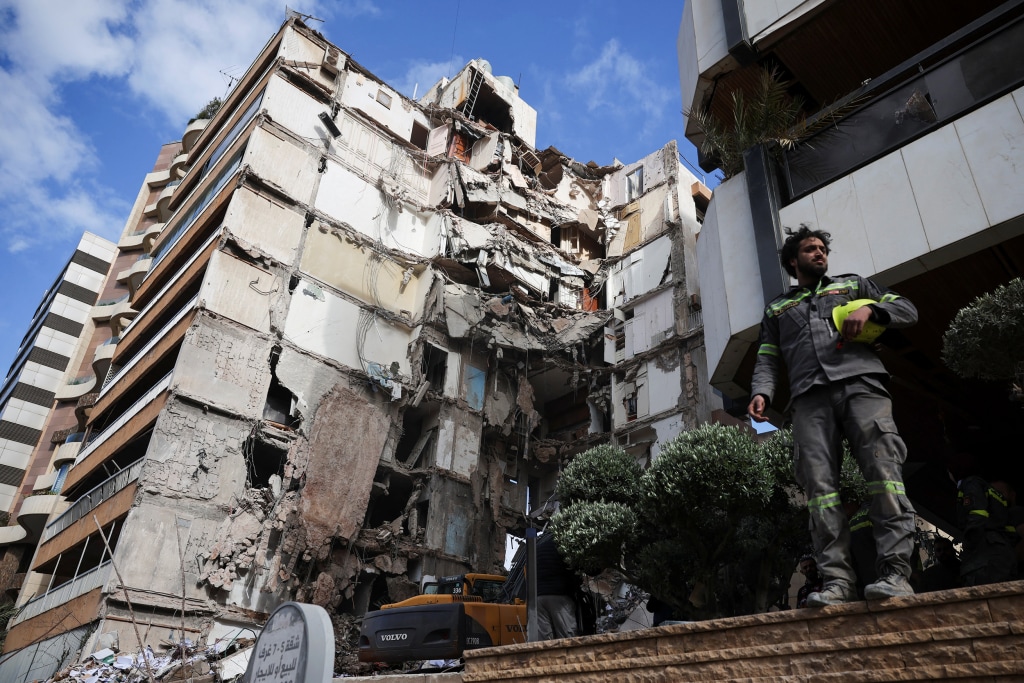
Prime Minister Benjamin Netanyahu's office said the strikes targeted Hezbollah "command centers" in the densely populated suburbs and were a response to rocket fire toward northern Israel. Lebanon's health ministry said two people were killed and 20 wounded when a residential building was hit, the latest civilian toll in a conflict that has repeatedly spilled into Beirut's neighborhoods and emptied entire apartment blocks of terrified families.
The Israeli military said Iran had fired several volleys of missiles after the Beirut strikes, the first such bombardment since a ceasefire took hold in April. Tehran had warned for weeks that any attack on Beirut would trigger a full-scale resumption of hostilities across the Middle East, and Iranian officials accused both Israel and the United States of violating the truce that had brought a tense lull to the region.
The strikes landed at a perilous diplomatic moment. The first ceasefire agreement took effect on April 17, just days after a roughly 10-minute Israeli bombardment of Beirut killed more than 300 people, according to Lebanese authorities. Even after that deal, Israel struck Beirut's southern suburbs at least twice, underscoring how brittle the arrangement has been. Pakistan has been trying to broker a restart of talks between Tehran and Washington, an effort now thrown into doubt by the renewed fighting.
Analysts warned that the renewed exchange traps Hezbollah and Iran in a no-win dilemma: absorb the strikes and appear weak, or retaliate and risk a wider war that could devastate Lebanon and draw in the United States. Residents of Beirut's southern suburbs once again fled their homes, gathering what belongings they could, while sirens sounded across northern Israel as interceptors rose to meet the incoming missiles and families crowded into shelters.
The White House had urged Israel against striking the Lebanese capital, U.S. officials said, fearing exactly the escalation that unfolded. President Trump's administration has invested heavily in the ceasefire as a centerpiece of its Middle East policy, and the strikes represented a public rebuff of Washington's wishes by a close ally. By Sunday night it was unclear whether the ceasefire could be salvaged or whether the region was sliding back into open conflict, with both sides signaling they were prepared to keep fighting. The episode laid bare how a single round of strikes can unravel weeks of painstaking diplomacy in one of the world's most volatile theaters.