Israel and Iran Trade Strikes for First Time Since April, Shattering a Fragile Truce
Iran unleashed waves of ballistic missiles and Israel hit targets in Tehran, Isfahan and beyond after an Israeli strike on Beirut, as President Trump pressed both sides to stop shooting.

Israel and Iran exchanged direct fire for the first time since an April 7 ceasefire, trading missile barrages and airstrikes in the most dangerous escalation in two months and pushing a brittle truce to the brink of collapse.
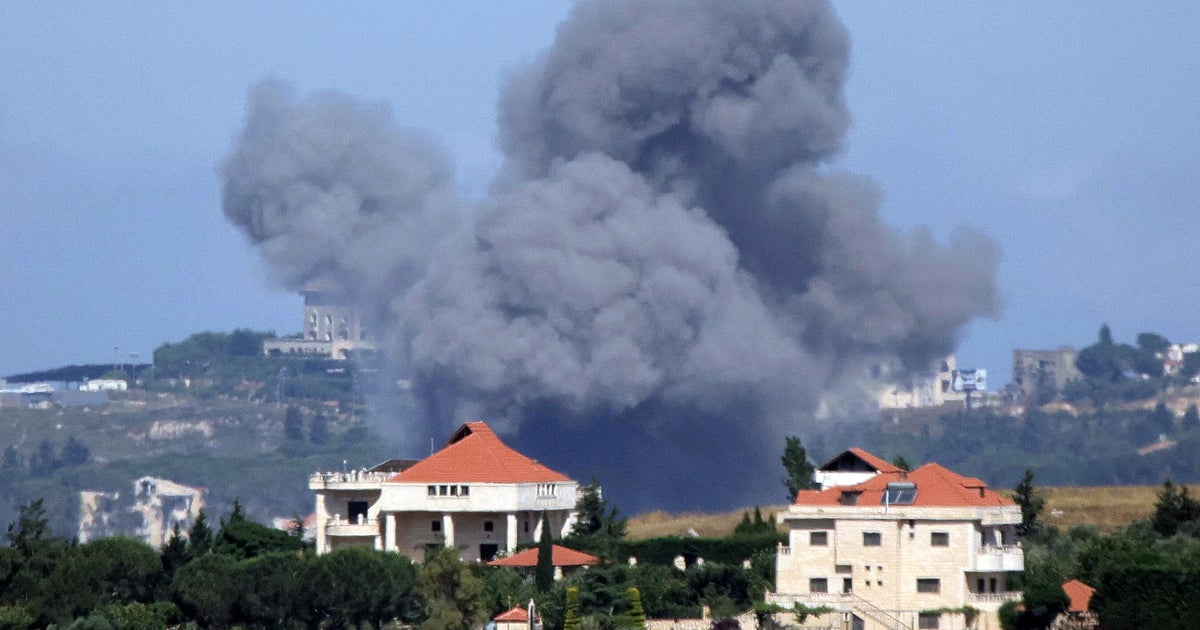
The latest round began when Iran launched waves of ballistic missiles at Israel — its first such attack since the ceasefire took hold — in retaliation for Israeli strikes on Hezbollah positions in the suburbs of Beirut a day earlier. Tehran had conditioned the truce on a halt to hostilities across all fronts, including Lebanon, and accused Israel of repeated violations. Air-raid sirens wailed across northern and central Israel as interceptors streaked overhead.
Israel answered with a broad bombardment of central and western Iran. Explosions were reported in Tehran, Isfahan, Tabriz and Karaj. The Israeli military said it struck sites that produce materials for Iran's ballistic-missile program and truck-mounted launchers, including a petrochemical complex near Mahshahr tied to missile production. Iranian state media confirmed blasts in several cities but offered limited detail on casualties or damage.
The fighting quickly drew in regional proxies. Yemen's Houthis fired two missiles toward Israel, one of which was intercepted, and Iran's Islamic Revolutionary Guard Corps struck the headquarters of a Kurdish opposition group in Iraq's Sulaymaniyah governorate. The widening exchanges raised fears of a return to the full-scale war that the spring ceasefire had paused.
President Donald Trump publicly pressed both governments to halt the strikes, telling Israel and Iran to stop "shooting." Prime Minister Benjamin Netanyahu announced that Israel would pause its airstrikes on Iran at Trump's request, while making clear that operations against Hezbollah in southern Lebanon would continue — the very condition Tehran has cited as a red line. Iran's military warned it would resume attacks on Israel if the campaign in Lebanon did not stop, leaving the truce hanging by a thread.
The escalation also rippled into the global economy. Iran's ambassador to Russia said the Strait of Hormuz — the chokepoint through which roughly a fifth of the world's oil passes — would reopen "with new conditions set by Iran and Oman, including transit fees," a statement that unsettled shipping companies already navigating an uncertain security picture. Diplomats from several countries scrambled to contain the crisis, but with each side blaming the other for breaking the calm, the path back to the April understanding appeared increasingly narrow. Analysts warned that a single miscalculation could tip the region back into open conflict, even as both governments signaled they preferred to avoid a wider war.