Israel Bombs Tehran on Persian New Year as Iran War Enters Deadliest Phase
Israeli warplanes struck Tehran's infrastructure Friday morning as Iranians marked Nowruz, while Iran retaliated against energy sites in Saudi Arabia, UAE, and Kuwait for a second day, pushing Brent crude to $116 a barrel and deepening the worst energy crisis in decades.

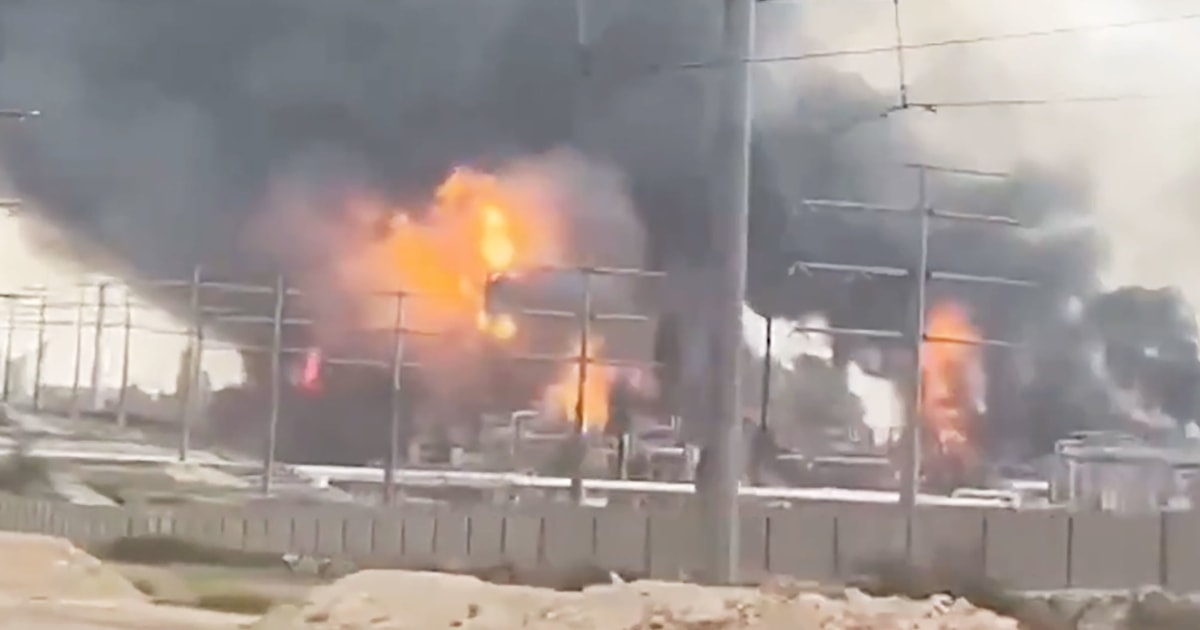
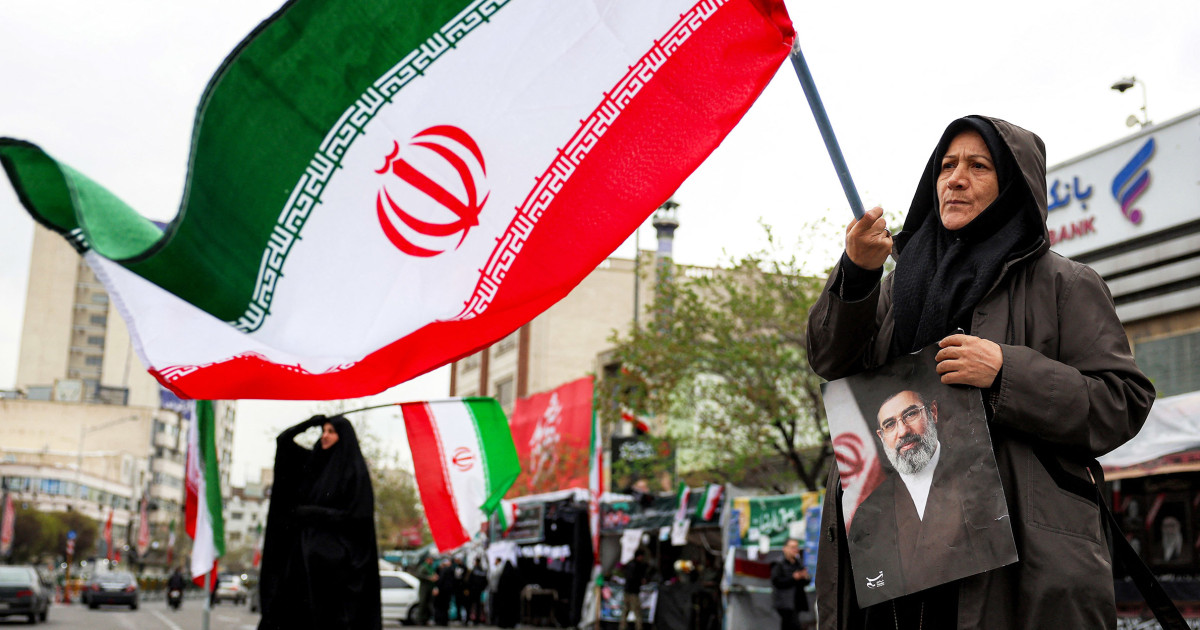
As millions of Iranians observed Nowruz — the Persian New Year and one of the most sacred celebrations in the Muslim and Zoroastrian world — Israeli warplanes struck Tehran's infrastructure on the morning of Friday, March 20, 2026, in the most symbolically charged attack of the three-week war between the United States, Israel, and Iran. The Israel Defense Forces wrote on social media that it had "begun a wave of strikes targeting infrastructure of the Iranian terror regime in the heart of Tehran," with plumes of smoke rising above several neighborhoods of the capital as families had gathered at dawn for the traditional Nowruz fire-jumping ceremony. For many Iranians, the timing felt deliberate: a message that no corner of their country, not even the sanctuary of a 3,000-year-old holiday, was safe from the alliance's reach.
The strikes came on day 21 of Operation Epic Fury, the joint U.S.-Israeli campaign that began on February 28 with the killing of Supreme Leader Ali Khamenei and dozens of senior military commanders. By Friday, the war had killed more than 1,200 Iranians and at least 13 U.S. service members, according to official figures. An F-35 fighter jet made an emergency landing at an undisclosed U.S. base in the Middle East after being struck by Iranian fire, with Pentagon officials confirming the pilot survived in stable condition. It was the most serious U.S. aircraft loss of the conflict so far, underscoring that Iran — despite suffering catastrophic damage to its military infrastructure — retained the capacity to strike back. Defense Secretary Pete Hegseth confirmed the Pentagon has struck more than 7,000 Iranian targets since February 28, and said the department would request approximately $200 billion in supplemental war funding from Congress. Senate Minority Leader Chuck Schumer called the figure "preposterous and dangerous."
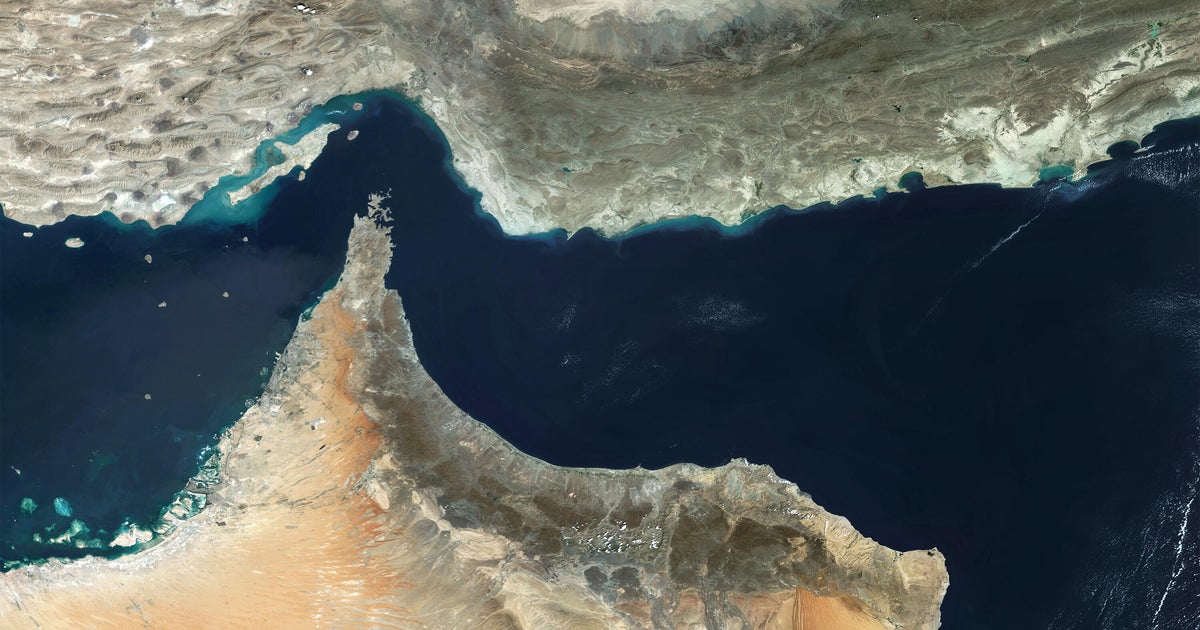
Iran's response Friday was sweeping. Tehran launched a new wave of drone and missile attacks on energy infrastructure across the Gulf, hitting the Samref refinery in Saudi Arabia, oil operations in Dubai and Abu Dhabi, and striking Kuwait's Mina Al-Ahmadi refinery for the second consecutive day. The UAE's air defense systems intercepted four ballistic missiles and 26 drones fired from Iranian territory, the Emirates announced. Iran also threatened to target tourist destinations worldwide — including areas with significant American and Israeli visitor populations — raising the prospect of a further expansion of the conflict into civilian-facing venues. Debris from Iranian missiles fell near Jerusalem's Old City, Israeli officials said, though there were no immediate reports of casualties.
On global energy markets, the damage was mounting. Brent crude, already elevated at $112 per barrel — up nearly 60 percent since the war began — spiked to $116.38 before easing slightly after President Trump posted on Truth Social claiming the U.S. was "getting very close to meeting our objectives." In a separate announcement Friday evening, the U.S. Treasury Department temporarily lifted sanctions on an estimated 140 million barrels of Iranian crude oil already sitting in tankers at sea, a move Treasury Secretary Scott Bessent said was aimed at stabilizing energy prices. But analysts were skeptical the measure would provide lasting relief. Energy analyst Andy Lipow warned that "oil prices would not return to pre-conflict levels of $67 per barrel" even if fighting ended immediately, citing damage to energy infrastructure that "will take months if not years to repair."
New Iranian Supreme Leader Mojtaba Khamenei — installed after his father was killed in the opening U.S.-Israeli strikes — issued a Nowruz statement praising "the endurance of the Iranian nation in the face of Zionist barbarism" and pledging that Tehran would "respond with ten times the pain." Ninety-three million Iranians spent the first day of spring unable to access the internet, as the country endured its 21st consecutive day of near-complete digital blackout. Six world leaders, including French President Emmanuel Macron, issued a joint statement demanding "an immediate comprehensive moratorium on attacks on civilian infrastructure." British ministers, by contrast, approved expanded U.S. military use of U.K. bases for operations protecting shipping lanes. More than 2,200 additional U.S. Marines were confirmed to be deploying from San Diego aboard three warships, with their arrival expected within days. The war that began on what the White House called an "imminent" threat from Iran was, on this Persian New Year, nowhere near its end.