Israel and Lebanon Reach Conditional Ceasefire in Washington, but Hezbollah Rejects It
The U.S.-brokered deal would carve out 'pilot zones' under exclusive Lebanese army control — yet Israel vows to keep striking and Hezbollah has already dismissed the agreement.

Israel and Lebanon have agreed to a conditional ceasefire after U.S.-brokered talks in Washington, a fragile framework that would require Hezbollah to halt all fire and pull its operatives out of southern Lebanon. But the deal was thrown into immediate doubt when a Hezbollah official announced the group had rejected it.
The agreement, reached during the fourth direct round of negotiations between Israeli and Lebanese diplomats since fighting escalated on March 2, was hammered out by Israeli Ambassador Yechiel Leiter and Lebanese Ambassador Nada Hamadeh. At its center is a novel concept: the creation of "pilot zones" in which the Lebanese armed forces would take exclusive control of territory, to the exclusion of all non-state actors. Deployment of the Lebanese army into those zones would mark the first phase of implementation.
The terms demand a "complete cessation" of fire by Hezbollah and the removal of its fighters from the south. Lebanese President Joseph Aoun cast the moment in stark terms, calling the agreement "the last chance to enter into a final, comprehensive ceasefire" — an appeal that underscored how precarious the situation along the border has become after three months of escalating violence.
Israel signaled it would give little ground even with a deal on paper. Defense Minister Israel Katz said the military would continue its operations and would not withdraw, insisting Israel retained "freedom of action" to strike in Beirut and would press on with efforts to dismantle what it calls Hezbollah's terrorist infrastructure. Hundreds of thousands of displaced Lebanese residents, he added, would not be permitted to return.
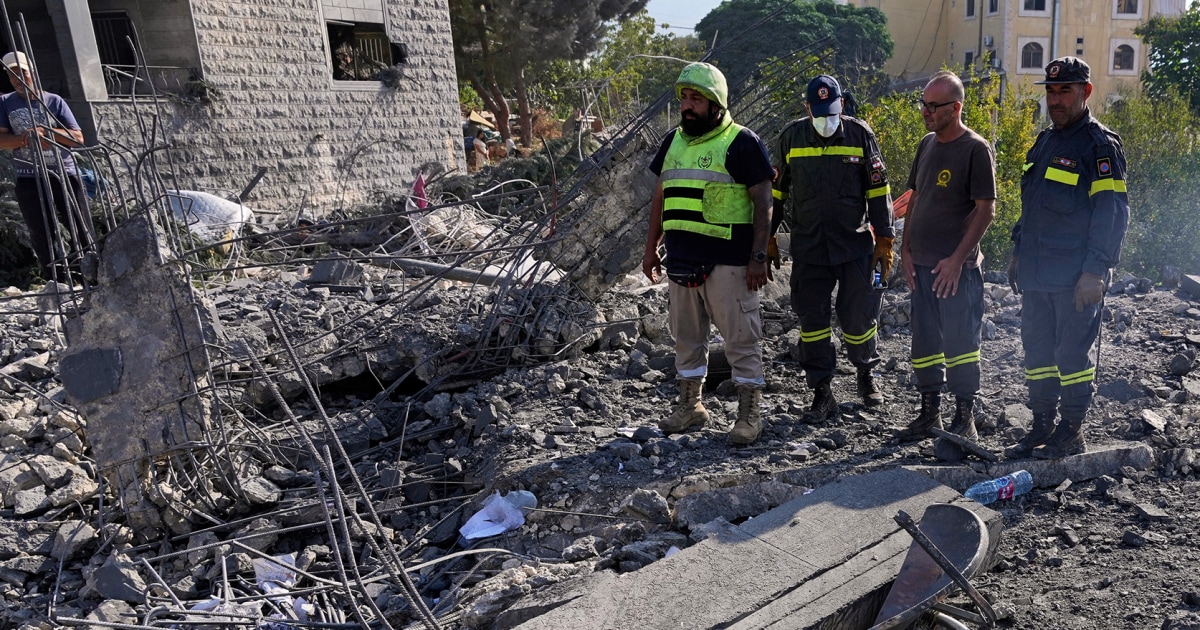
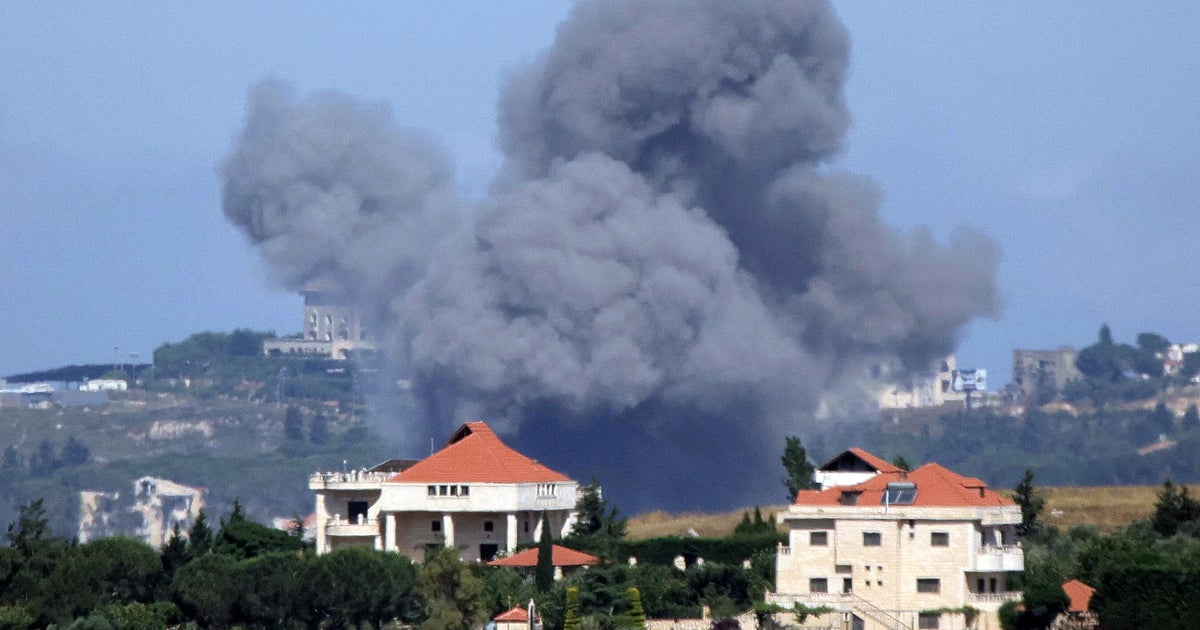
The fighting has continued even as diplomats talked. At least 10 people were killed in Israeli strikes in Lebanon on June 3, and three more died in a strike on the town of Sohmor on June 4, the same day an Israeli soldier was also killed. The bloodshed has persisted despite an earlier U.S.-mediated understanding reached just days before.
With Hezbollah rebuffing the arrangement and Israel vowing to keep up its campaign, the ceasefire's prospects appear uncertain at best. The Washington framework represents the most detailed attempt yet to halt the conflict, but its success hinges on a militant group that has now publicly rejected it — and on an Israeli government that says it will keep striking regardless.