Iranian Strike on U.S. Base in Saudi Arabia Injures 12 American Troops in Major Defense Breach
The combined missile and drone attack represents one of the most serious breaches of American air defenses since the monthlong war with Iran began.

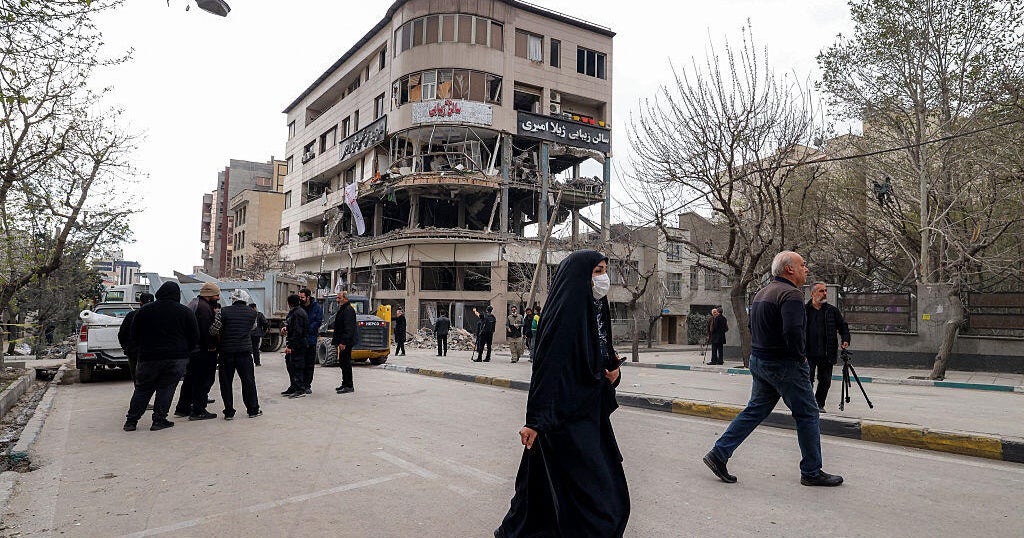
An Iranian ballistic missile strike on a U.S. military installation in northwestern Saudi Arabia injured twelve American service members early Saturday morning, the Pentagon confirmed, marking the most direct attack on American forces since the opening phase of the broader Iran conflict escalated in late February. The strike targeted Al-Tabuk Air Base, a facility that has served as a staging ground for U.S. Air Force assets supporting ongoing operations in the region. Military officials said the injured troops were treated on-site and at a nearby coalition medical facility, and none of the injuries were life-threatening.
The attack came despite Saudi Arabia's formal neutrality in the U.S.-Iran conflict, raising immediate questions about the stability of the kingdom's position and its continued willingness to host American military assets. Saudi state media initially did not report on the strike, and the Saudi foreign ministry declined to comment directly. Three Saudi civilian contractors working near the base perimeter were also reported injured, according to U.S. Central Command's initial after-action summary released late Saturday afternoon.
Pentagon Press Secretary Major General Laura Chen said in a statement that the U.S. military had tracked the missile launch from Iranian territory and that the strike had been partially intercepted by Patriot missile defense batteries, though two of the inbound missiles penetrated the defensive perimeter. She described the attack as 'a deliberate and escalatory act' that would draw a response. President Trump was briefed at Mar-a-Lago and was said to be meeting with the National Security Council via secure video conference throughout the morning hours.
The attack drew swift condemnation from congressional leaders on both sides of the aisle, though Republican voices emphasized that the administration should respond decisively while several Democratic lawmakers renewed calls for Congress to assert its authority over the use of military force. Senate Armed Services Committee Chairman Roger Wicker said in a statement that the United States 'cannot allow Iranian aggression against our forces to go unanswered.' Representative Adam Smith, the ranking Democrat on the House Armed Services Committee, called for an emergency briefing and said Congress had been 'kept in the dark' about the operational footprint of U.S. forces in the region.
Defense analysts said the strike represented a significant shift in Iran's military calculus, suggesting that Tehran had decided the costs of striking American forces on allied soil were now outweighed by the pressure it was facing from ongoing U.S. air campaigns against Iranian nuclear and military infrastructure. 'Iran is trying to communicate that it can still impose costs and that the war has not been contained to Iranian territory,' said Michael Knights of the Washington Institute for Near East Policy. 'Striking in Saudi Arabia is a message to Riyadh as much as to Washington.' Oil prices surged more than four percent on the news, and markets in Asia opened sharply lower in anticipation of further escalation.