Pakistan's Army Chief Arrives in Tehran With U.S. Message as Iran War Blockade Declared 'Fully Implemented'
Gen. Asim Munir landed in Tehran on Day 47 of the conflict carrying a new overture from Washington, as CENTCOM confirmed it has completely halted Iran's sea trade and Trump said a peace deal could come 'within two days.'
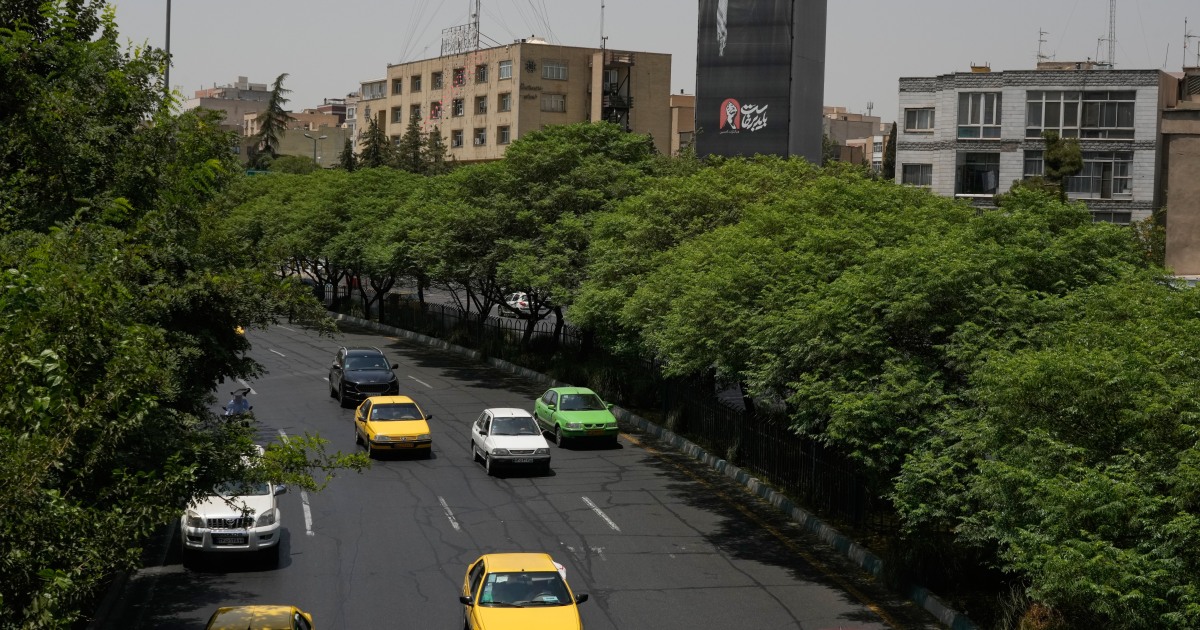
The United States naval blockade of Iranian ports entered its third day on Tuesday, April 15, as Pakistan's Army Chief General Asim Munir arrived in Tehran carrying a new message from Washington — the latest gambit in an accelerating diplomatic effort to end a conflict that has now claimed more than 4,000 lives across the Middle East.
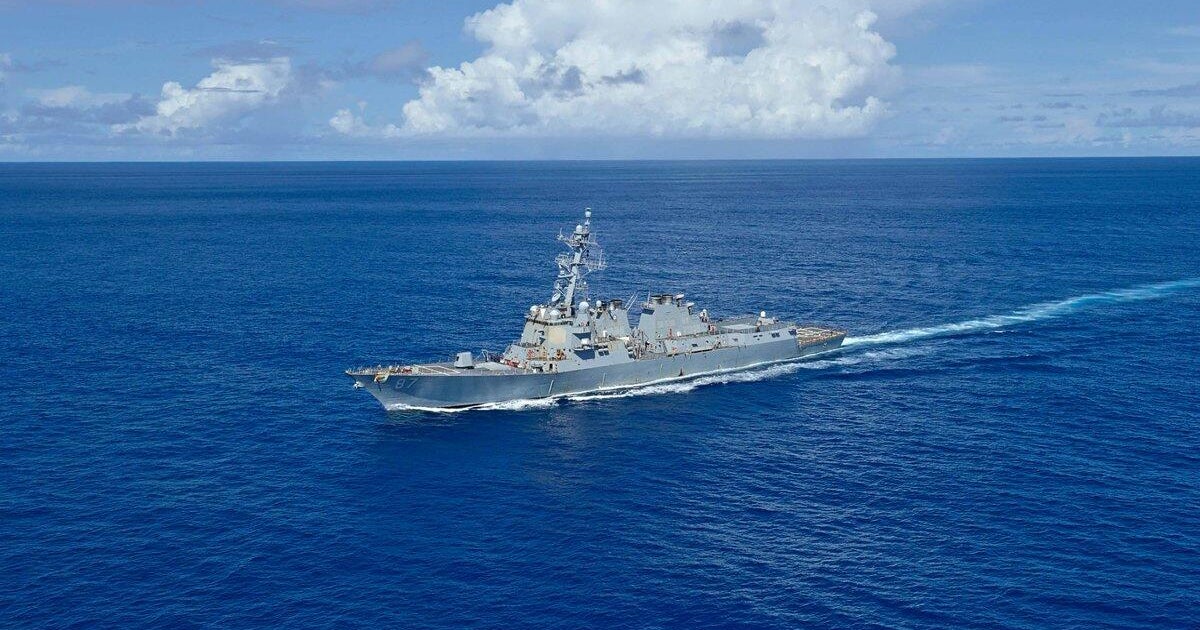
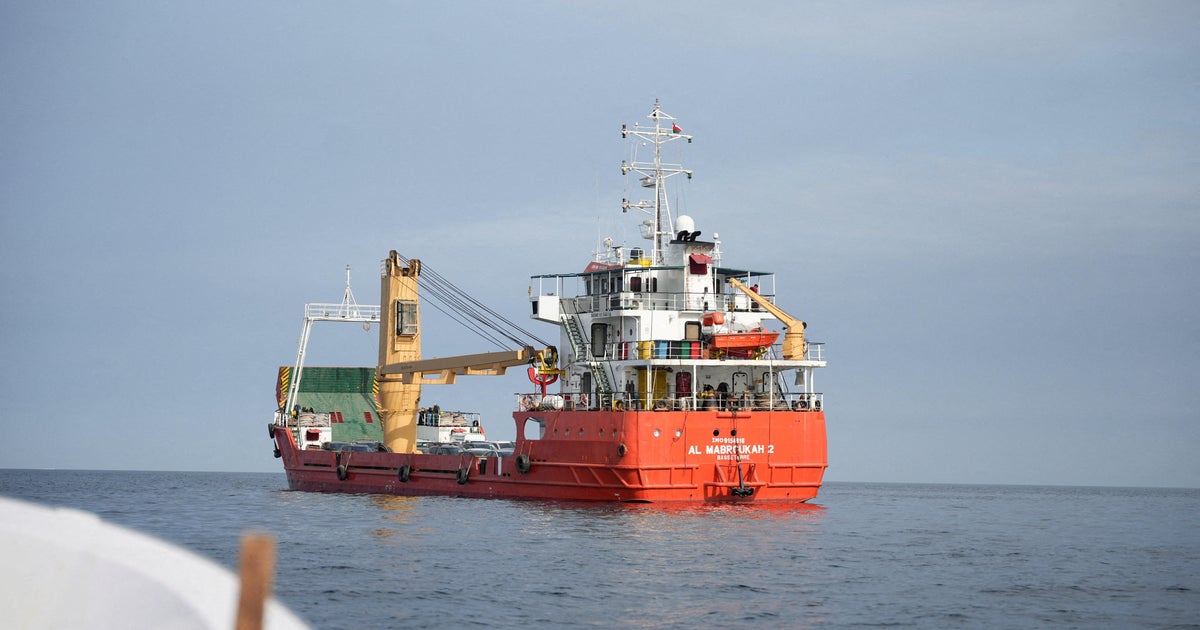
CENTCOM Commander Admiral Brad Cooper declared the blockade "fully implemented" at 10 a.m. Eastern Time on Monday, announcing that in the first 24 hours of enforcement, U.S. forces turned back six merchant vessels while allowing more than 20 non-Iranian ships to transit safely. The blockade is enforced by more than 10,000 American service members, over a dozen warships, and dozens of aircraft positioned across the Persian Gulf and the Strait of Hormuz. "An estimated 90% of Iran's economy is fueled by international trade by sea," Admiral Cooper said. "In less than 36 hours since the blockade was implemented, U.S. forces have completely halted economic trade going into and out of Iran by sea."
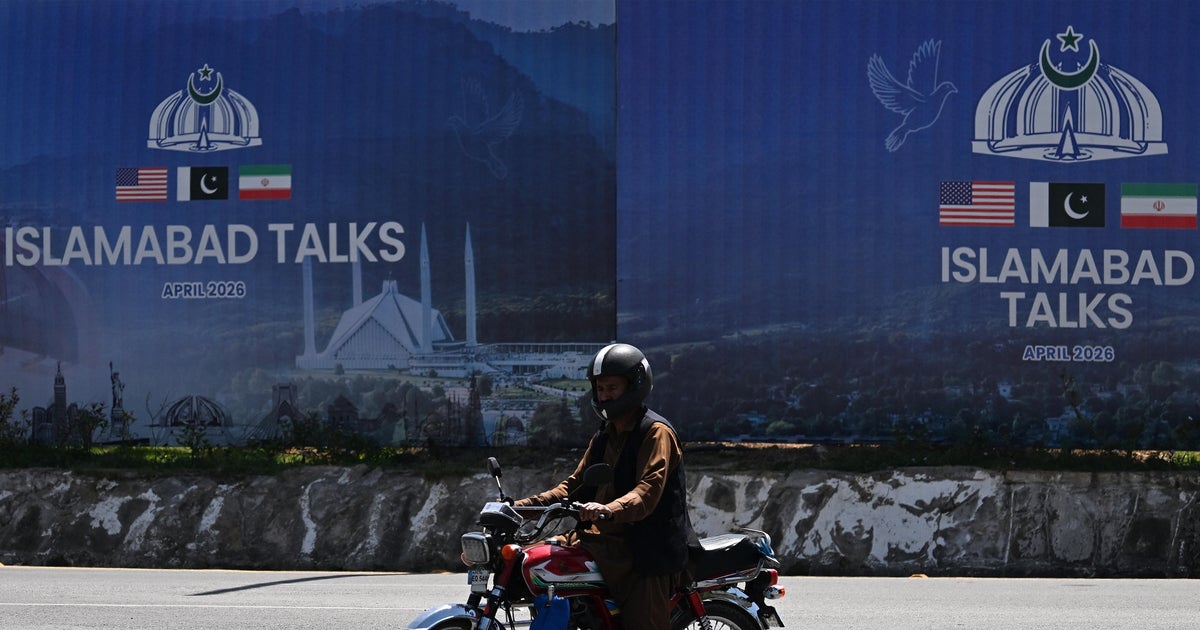
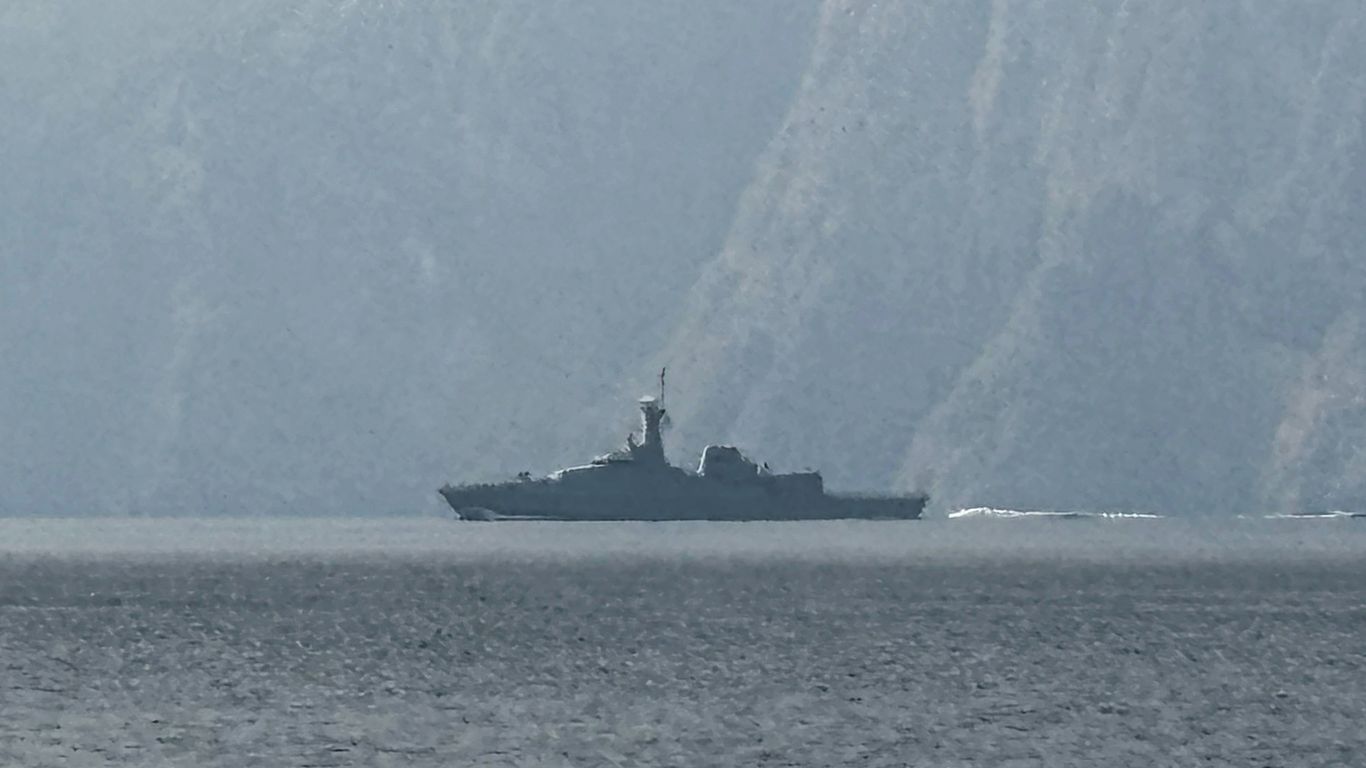
Munir's arrival in Tehran on Tuesday represents what U.S. officials described as the opening of a new diplomatic channel. Pakistan has emerged as the most likely host for a second round of U.S.-Iran direct talks following the breakdown of the first negotiating session. President Trump said in a Fox Business interview on Tuesday that he believes the war will end "fairly soon" and that second-round direct talks could happen "over the next two days," though no venue or schedule has been confirmed. Iranian ships have increasingly resorted to GPS spoofing tactics and going dark to their transponders in attempts to evade the naval cordon, CENTCOM officials said.
The conflict, now on Day 47, is unfolding against a backdrop of significant human and economic suffering. More than 399 U.S. service members have been wounded in action since fighting began. A fragile two-week ceasefire, secured through Pakistani mediation, expires approximately April 22, and both sides have refrained from major offensive operations since it took effect. The International Monetary Fund sharply reduced its 2026 growth forecast for the Middle East and North Africa to just 1.1 percent, down from an earlier projection of 3.9 percent, predicting a 6.1 percent contraction in Iran's economy. In the United States, the blockade's closure of the Strait of Hormuz has driven fuel prices up 21 percent in a single month, contributing to broader inflationary pressure.
Iranian officials have continued to insist on their "indisputable" right to uranium enrichment and have publicly rejected any deal requiring a permanent suspension of their nuclear program. Trump signaled some flexibility on a proposed 20-year nuclear suspension framework, saying he was not fully comfortable with the timeline. Iran's Revolutionary Guard was also reported to have secretly acquired a Chinese spy satellite in 2024, an allegation that has complicated back-channel discussions. Tehran has made clear that any lasting deal must recognize its sovereignty and leave its nuclear infrastructure intact in some form.
Despite the harsh diplomatic environment, U.S. officials expressed guarded optimism Tuesday. Munir's delegation represents the most direct line of communication between Washington and Tehran since talks broke down last week. Pakistan's dual relationships — maintaining ties with both the United States and Iran while serving as a nuclear-armed regional broker — make it uniquely positioned to carry sensitive messages across the divide. The ceasefire's April 22 expiration date gives both sides roughly one week to make progress before the fragile calm risks unraveling.
The economic consequences of the conflict continue to reverberate globally. The Strait of Hormuz closure represents the largest oil supply disruption in modern history, according to the IMF. European governments have been quietly pressing Washington for a resolution, citing the knock-on effects on their own energy markets and the threat of a broader regional conflagration. With the UN Security Council deadlocked and no international mediator commanding trust from both sides except Pakistan, the pace of Munir's diplomacy may determine whether the ceasefire holds or collapses into renewed fighting after April 22.