Iran War Live: Oil Surges Past $100 as U.S. Prepares Strait of Hormuz Blockade
President Trump announces complete naval blockade starting 10 a.m. Eastern as European allies distance themselves from the escalating conflict with Iran.

Oil prices surged back above $100 per barrel on Monday as President Donald Trump announced the United States would implement a complete blockade of the Strait of Hormuz, effectively cutting off Iran's primary maritime lifeline. The U.S. military confirmed it would prevent ships from entering or exiting Iranian ports or coastal areas beginning at 10 a.m. Eastern time. The dramatic escalation comes after weekend peace talks between the two nations failed to produce any breakthrough, leaving both sides to pursue increasingly aggressive economic warfare.
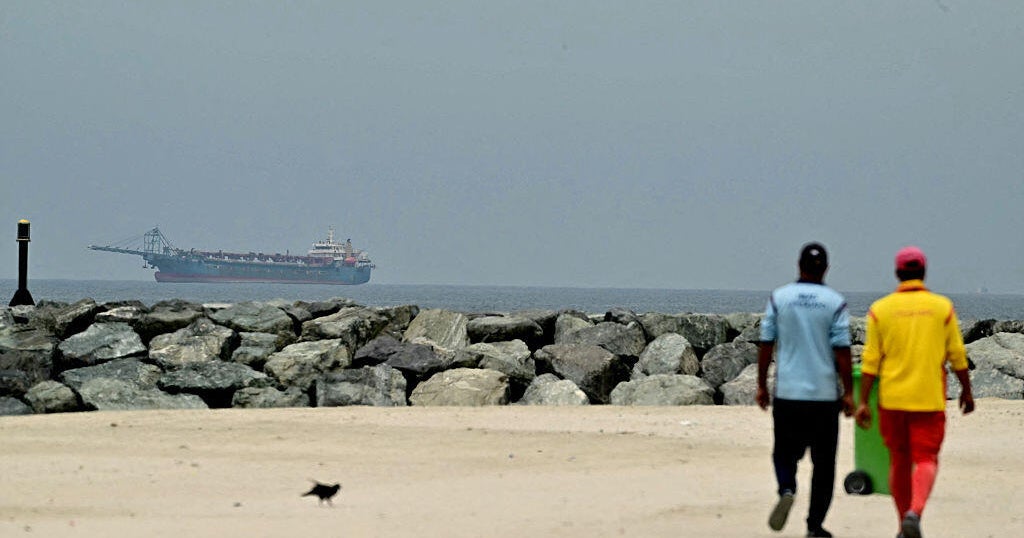
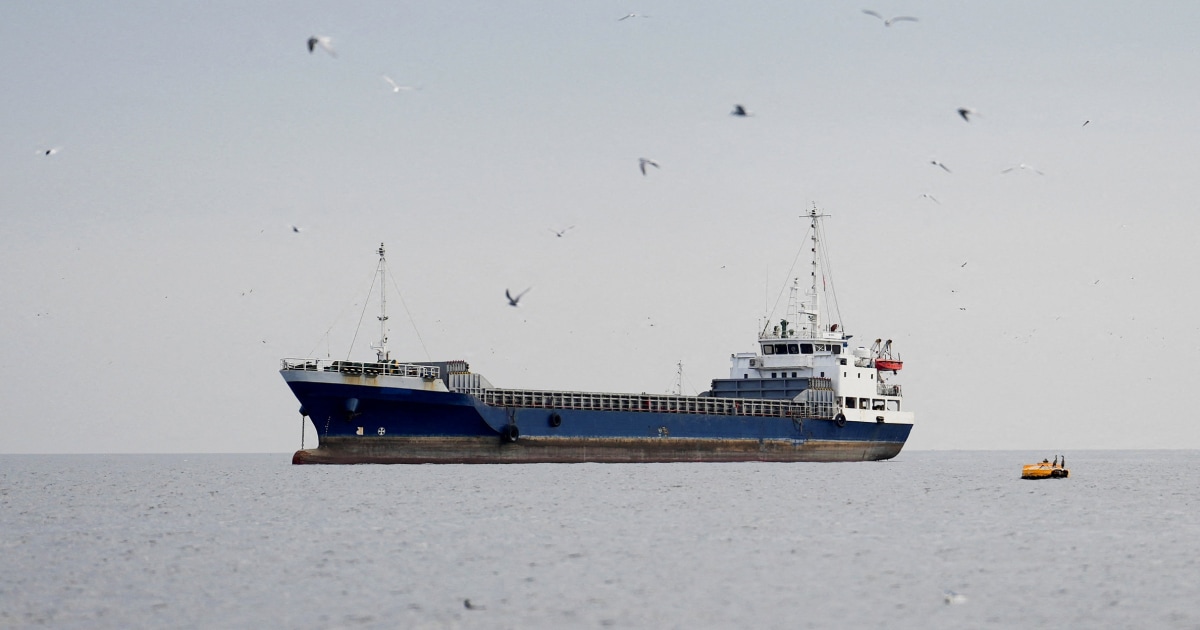
The Strait of Hormuz serves as one of the world's most critical oil chokepoints, with roughly 20% of global petroleum liquids passing through the narrow waterway. Trump's blockade announcement represents his latest effort to pressure Iran into negotiations through economic strangulation, following the failure of direct diplomatic talks over the weekend. However, the president's assertion that other countries would support the blockade has not materialized, with European leaders publicly distancing themselves from the American plan.
The blockade strategy reflects a fundamental test of economic endurance between the two nations, with Trump betting that Iran's tolerance for economic pain will crack before American voters grow weary of rising energy costs. Iran has long relied on oil exports as its primary source of foreign currency, making the strait's closure potentially devastating for the country's already sanctions-battered economy. The Iranian regime has previously threatened to close the strait during periods of heightened tension, but this marks the first time the United States has moved to implement such a comprehensive maritime blockade.
European allies have expressed serious reservations about the blockade, fearing it could trigger broader regional instability and drive global energy prices even higher. The lack of international support undermines Trump's claims that the United States would not act alone in pressuring Iran. Several NATO allies have privately voiced concerns that the blockade could be seen as an act of war under international law, potentially drawing them into a conflict they did not authorize.
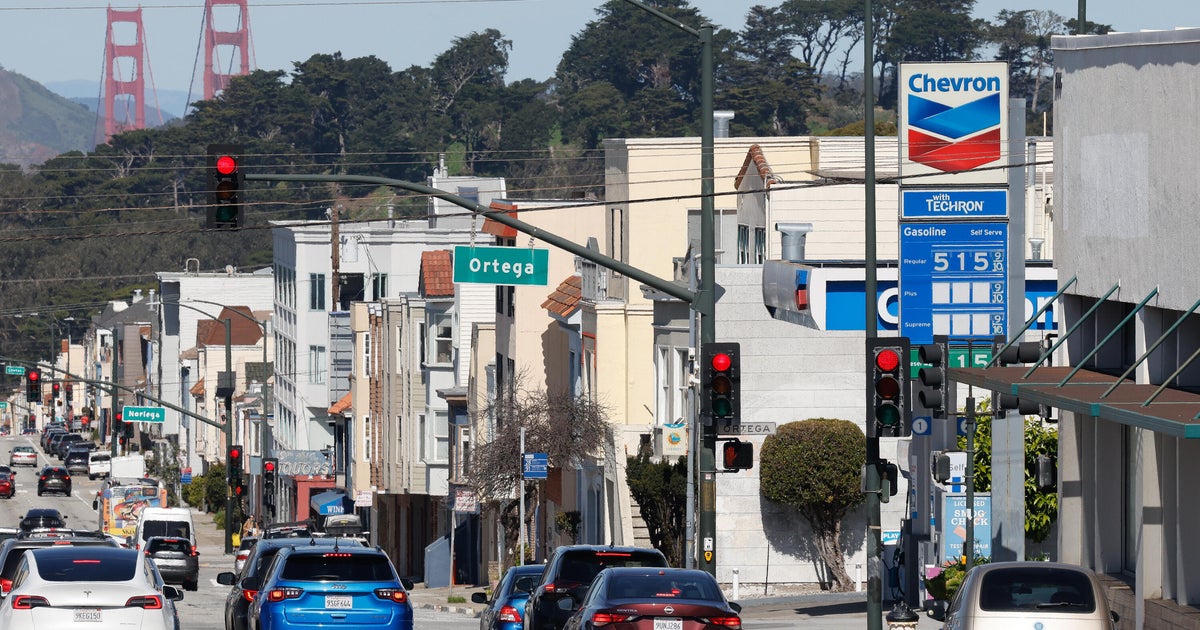
The economic implications extend far beyond the immediate oil price spike, with analysts warning that a prolonged blockade could disrupt global supply chains and trigger inflation in energy-dependent sectors. American consumers are already facing elevated gas prices due to the ongoing conflict, and the blockade threatens to push those costs even higher. As both nations dig in for what appears to be an extended economic confrontation, the question remains whether Trump's tolerance for domestic political pain will outlast Iran's capacity to endure international isolation.