Day 18: Iran Security Chief Killed, Dubai Airport Hit by Drone, Top US Intel Official Resigns in Protest
Israel confirms killing Ali Larijani in Tehran strikes as IRGC drone ignites fuel tank at world's busiest airport hub.

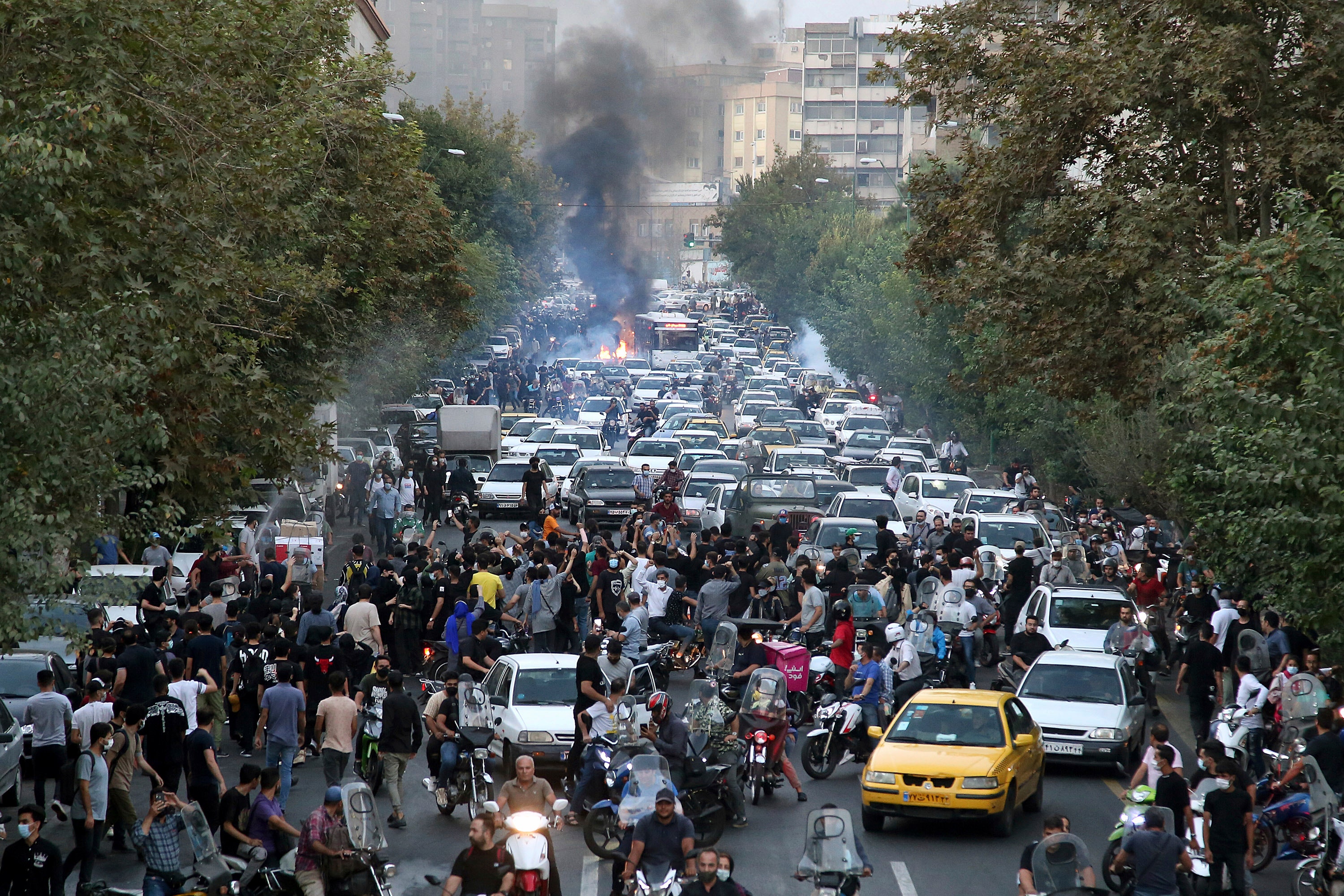
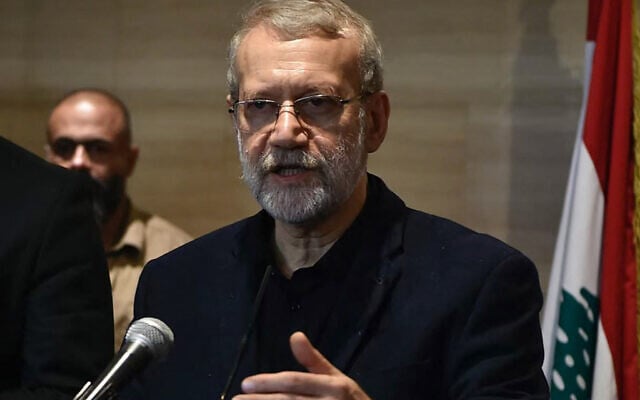
The U.S.-Israeli military campaign against Iran entered its 18th day Monday with a cascade of developments that reshaped the conflict on multiple fronts. Israel confirmed overnight that its forces killed Ali Larijani, secretary of Iran's Supreme National Security Council and one of the most powerful figures in the Islamic Republic, in a precision airstrike on a government compound in central Tehran. Basij paramilitary commander Gholamreza Soleimani was also killed in the same strike, marking the highest-ranking Iranian casualties since the war began on March 1.
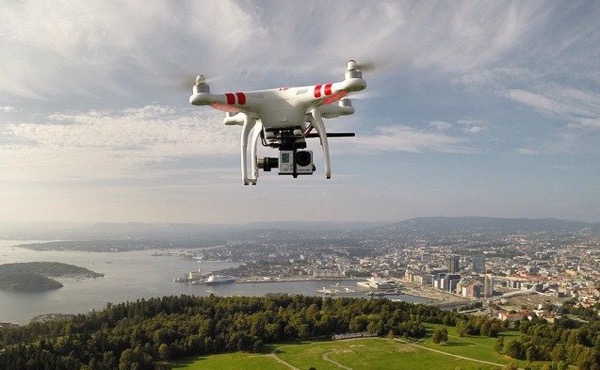
The strikes came hours after an Iranian Shahed-136 drone evaded air defenses and slammed into a jet fuel storage facility less than two miles from Dubai International Airport, the world's busiest hub for international passenger traffic. The resulting fireball sent a column of black smoke visible for miles across the emirate and forced the immediate grounding of more than 260 flights. One Indian maintenance worker was killed by falling debris from a Patriot interceptor missile that failed to down the drone. Emirates, flydubai, and several international carriers began rerouting flights through Oman and Saudi Arabia.
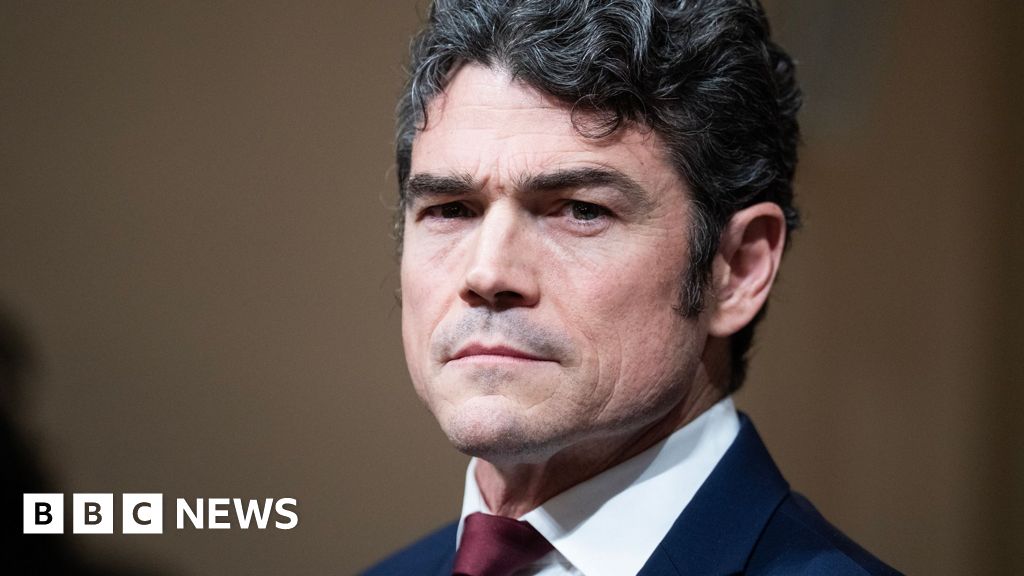
Back in Washington, Joe Kent, the director of the National Counterterrorism Center and a decorated former Green Beret, submitted his resignation in a blistering four-page letter obtained by The Washington Post. Kent called the military campaign "strategically unjustified and morally indefensible," writing that intelligence assessments did not support the administration's stated rationale for war. He became the highest-ranking U.S. intelligence official to publicly break with the White House since the conflict began.
The humanitarian toll continued to mount as Iranian state media reported at least 1,444 people killed since hostilities began, including more than 300 civilians. The Red Crescent said hospitals in Tehran, Isfahan, and Shiraz were operating beyond capacity with dwindling medical supplies as international sanctions complicated relief efforts. The United Nations High Commissioner for Human Rights called for an immediate ceasefire and independent investigation into civilian casualties on both sides.
European allies delivered another blow to the administration's coalition-building efforts when France, Germany, and the United Kingdom jointly refused President Trump's demand to deploy warships to help enforce a naval blockade of the Strait of Hormuz. French President Emmanuel Macron said Europe would "not be drawn into a war it did not choose," while NATO Secretary General Mark Rutte called an emergency session to discuss the alliance's posture. Oil prices surged past $106 per barrel on the news, with analysts warning that a prolonged closure of the strait — through which 20 percent of the world's oil supply flows — could trigger a global recession.