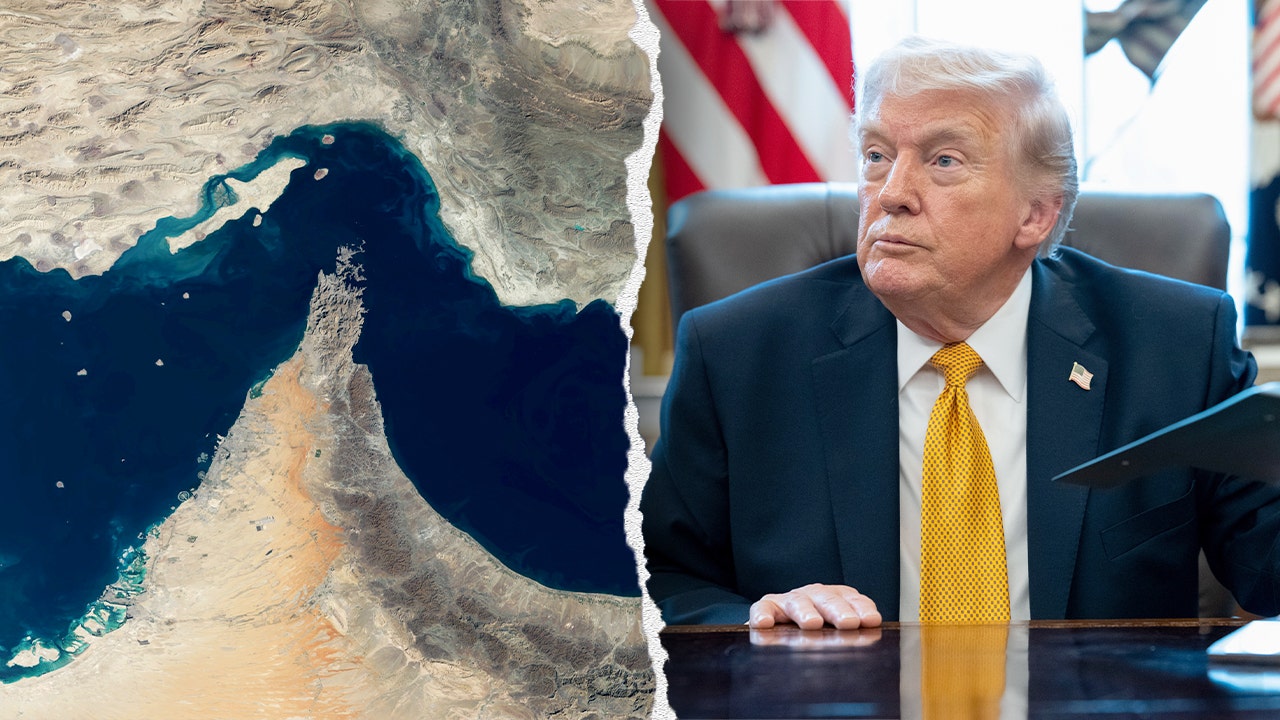
Iran Threatens to Strike All U.S. Energy Infrastructure in Region if Trump Follows Through on Power Plant Ultimatum
Iranian armed forces announced Saturday they would target American energy assets, IT facilities, and water desalination plants across the Middle East if President Trump destroys Iranian power stations, as Trump's 48-hour deadline ticks toward a Monday night expiration.
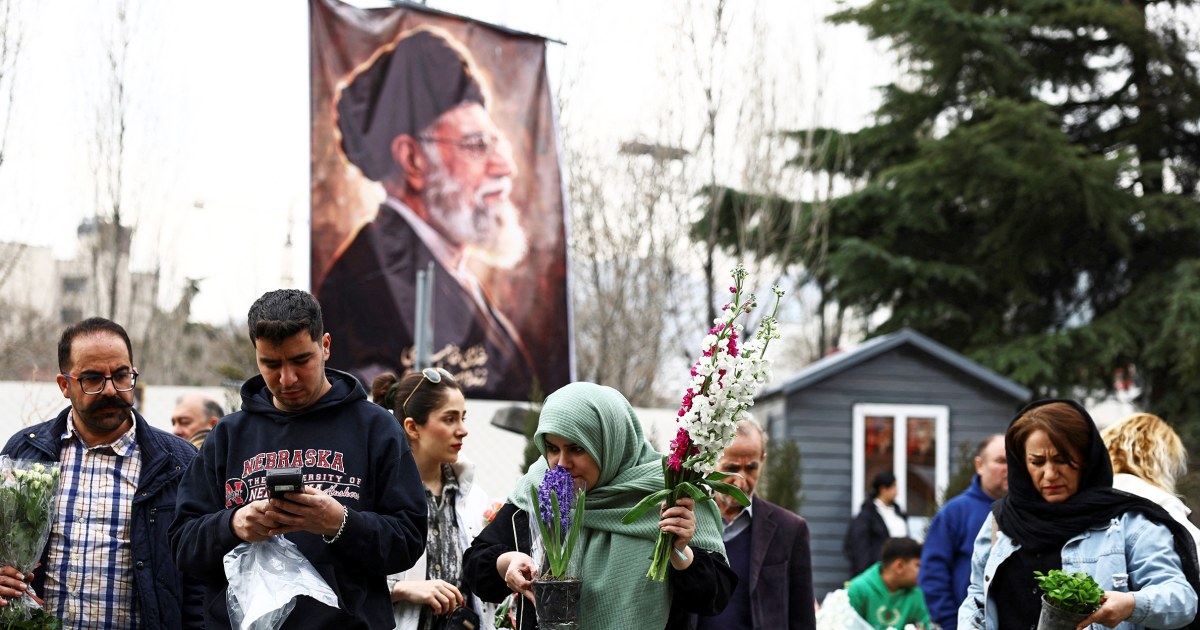
Iran's armed forces issued a sweeping counter-ultimatum Saturday, warning that any American strike on Iranian power plants or fuel infrastructure will be met with retaliatory attacks on U.S. and Israeli energy assets, information technology systems, and water desalination facilities throughout the Middle East. The Iranian military's statement came hours after President Trump posted on Truth Social that the United States would 'hit and obliterate' Iran's power plants — beginning with the country's largest — if the Strait of Hormuz was not 'FULLY OPEN' within 48 hours. Trump's deadline expires at approximately 7:44 p.m. Eastern Time on Monday, setting the stage for a potentially catastrophic expansion of the three-week-old conflict.
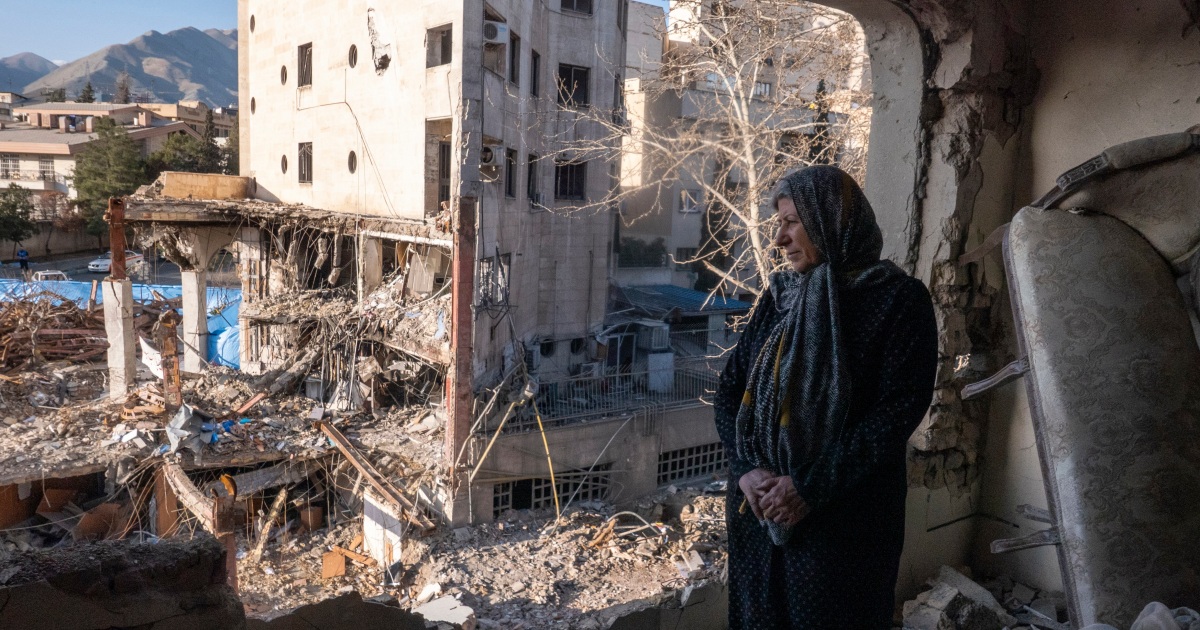
The Iranian counter-threat represents a significant escalation that would, if carried out, endanger energy production and water supplies for millions of civilians across the Gulf region. U.S. and allied military installations, including power supply systems, communications networks, and desalination facilities that support both civilian populations and operations, would fall within Iran's stated targeting envelope. The announcement reflects Iran's strategy of matching American escalation with threats that impose costs on the entire Gulf region, making allies pay a price for permitting U.S. forces to use their territory and infrastructure in the campaign against Tehran. Iranian state media broadcast the armed forces statement on Saturday evening, framing it as a proportionate deterrent rather than an aggressive provocation.
Brent crude oil surged above $112 per barrel following the latest round of ultimatums and counter-threats, as traders priced in the risk of a broader conflict and additional infrastructure damage. The Strait of Hormuz has been effectively closed to commercial shipping since early in the conflict, with Iran targeting vessels that attempt to transit the narrow waterway. The closure has stranded an estimated 3,000 commercial vessels and contributed to global energy price spikes that have rippled through economies worldwide. U.S. officials have warned that any strike on Iranian power plants — which supply electricity to tens of millions of Iranian civilians — would constitute a significant escalation with potentially severe humanitarian consequences, though they have declined to publicly contradict Trump's stated intentions.
Iran's warning encompasses a wide range of U.S. and allied infrastructure concentrated in the Gulf region, including facilities operated by American forces at Al Udeid Air Base in Qatar, the U.S. Naval Forces Central Command headquarters in Bahrain, and other installations that support operations throughout the region. Military planners have noted that water desalination plants are particularly critical in the arid Gulf environment, as countries including Saudi Arabia, the UAE, Kuwait, and Qatar depend on desalination for the vast majority of their fresh water supply. Attacks on desalination infrastructure could pose catastrophic public health risks for millions of civilians in countries that have been cautiously supportive of the U.S.-Israeli campaign against Iran, creating a powerful disincentive for regional states to allow their territory to be used for strikes on Iran.
International diplomatic efforts to defuse the standoff intensified Saturday as European foreign ministers held emergency calls and the United Nations Secretary-General António Guterres urged both Washington and Tehran to step back from the brink. The 48-hour deadline creates a critical window that observers say will determine whether the Iran conflict remains a campaign against Iranian military and nuclear targets, or expands into a broader regional war targeting civilian energy and water infrastructure on multiple sides. NATO allies have been divided on the appropriate U.S. posture, with France and Germany openly opposing the power plant threat while the United Kingdom has maintained a more supportive public stance while privately urging restraint. European officials have warned that a strike on Iranian power plants could trigger the very escalation it is intended to prevent, drawing more regional actors into the conflict and pushing oil prices to levels that would severely damage the global economy.