Iran Suspends Talks With U.S. and Vows to 'Completely' Block the Strait of Hormuz as Oil Surges
Tehran walked away from indirect negotiations over Israel's offensive in Lebanon and threatened to choke off two of the world's most important shipping lanes, sending U.S. crude prices up more than 7%.

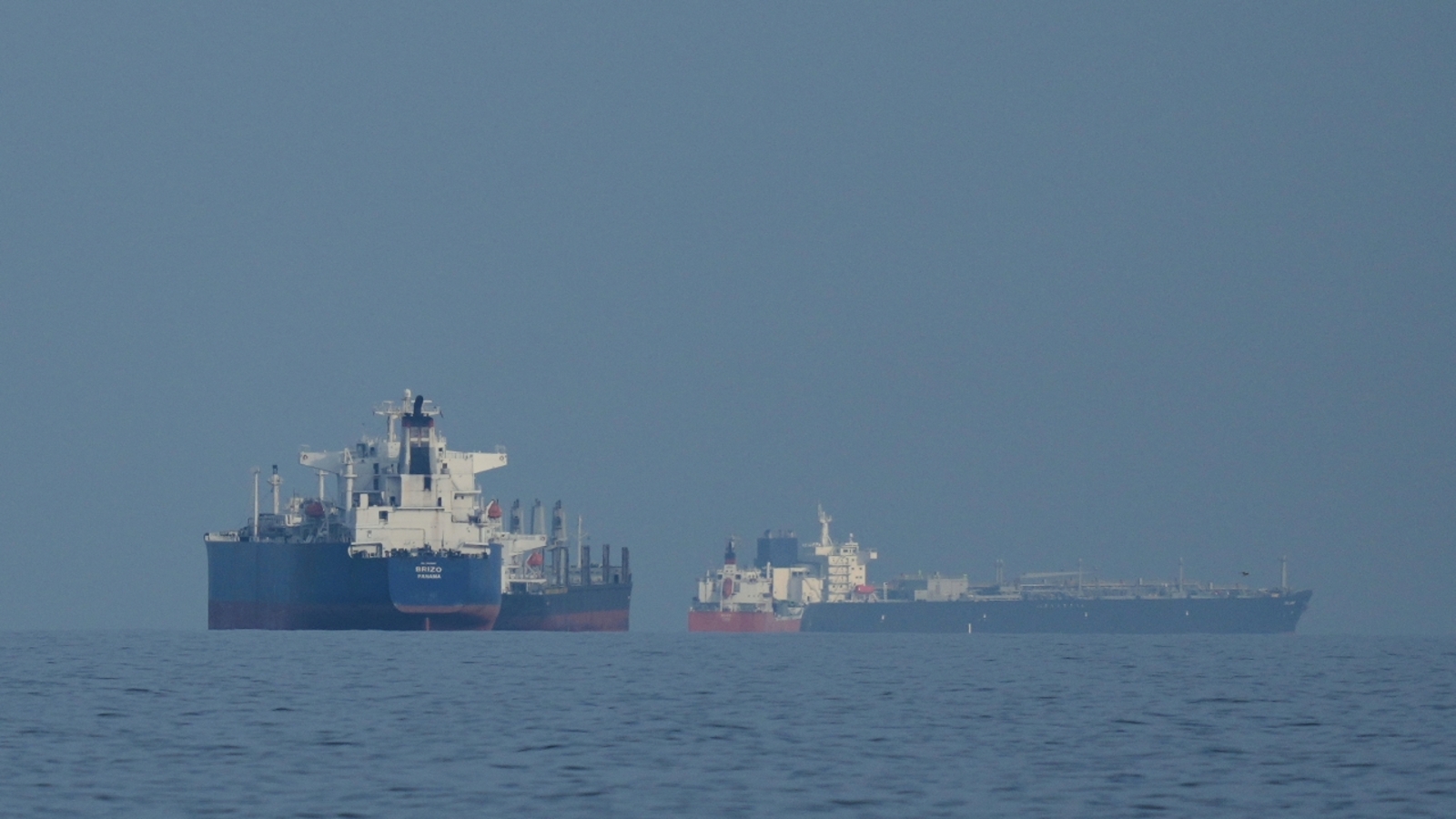
Iran abruptly suspended its indirect negotiations with the United States on Monday and threatened to shut down the Strait of Hormuz, the narrow waterway through which roughly a fifth of the world's oil supply flows, dramatically escalating a crisis that has kept global energy markets on edge for weeks.
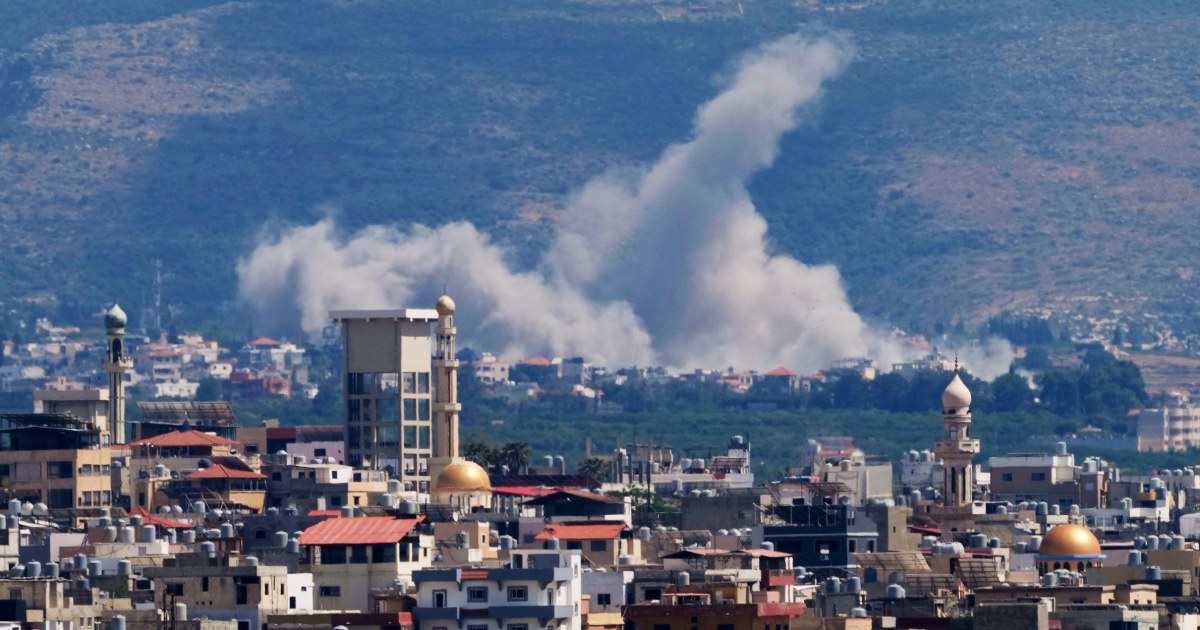
The announcement came through Tasnim, a news agency affiliated with Iran's Islamic Revolutionary Guard Corps, which said Tehran's negotiating team had halted all exchanges conducted through mediators in response to what it described as the "continuing crimes" of Israel in Lebanon. The decision unwound a fragile diplomatic track that President Donald Trump had insisted was advancing, even as Israeli forces pressed deeper into southern Lebanon against Hezbollah.
Esmail Ghaani, the commander of the Quds Force, raised the stakes further by warning that the "Axis of Resistance" was prepared to block not only the Strait of Hormuz but also the Bab al-Mandeb, the chokepoint linking the Red Sea to the Gulf of Aden. Ghaani said continued Israeli operations would make traffic conditions in the Bab al-Mandeb "comparable to that of the Strait of Hormuz" — a thinly veiled vow to disrupt a second artery of global commerce.
Markets reacted immediately. U.S. crude prices jumped more than 7% following the announcement, reflecting fears that a blockade could strangle energy shipments out of the Persian Gulf and ripple through fuel costs worldwide. Analysts have long warned that any sustained closure of Hormuz, which sits between Iran and Oman, would be among the most consequential disruptions the oil market could face.
Trump struck a far more optimistic tone, telling reporters that the indirect talks were continuing at a "rapid pace" despite Tehran's public declaration that it was walking away. The contradictory signals underscored the volatility of a moment in which Washington is trying to lock in a preliminary agreement to end the war even as the battlefield in Lebanon threatens to upend it.
The diplomatic rupture is tied directly to events on the ground. Israel has expanded its campaign against Hezbollah, and Iran has made clear it will not return to the table until Israel halts its military operations in Lebanon and Gaza. Tehran framed the suspension as a matter of solidarity, saying the negotiating track had been rendered untenable by the assault on its allies.
For now, the world is left watching two of its most strategically sensitive waterways. The Strait of Hormuz has never been fully closed, and Iran has issued similar threats in past crises without following through. But with talks frozen, oil prices climbing and Israeli forces still advancing, the margin for miscalculation has rarely looked thinner.