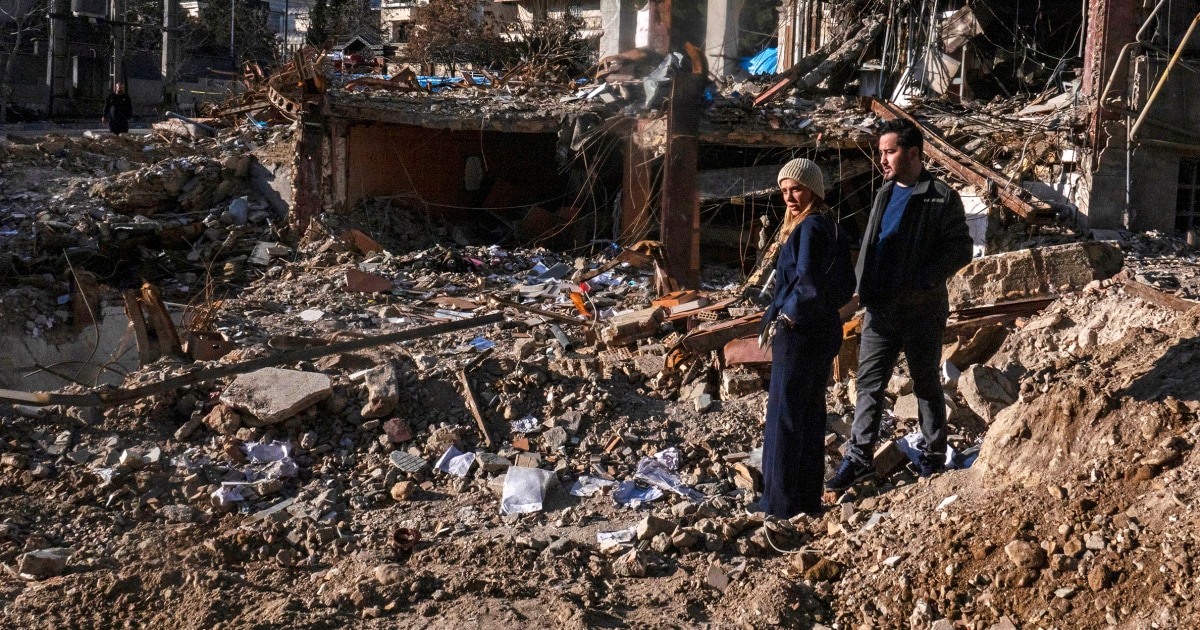
Iran Strikes Tehran in Wave of Regional Attacks, Diplomatic Talks Begin in Pakistan
Israel launches strikes targeting infrastructure in Tehran as Iran retaliates, while Saudi Arabia, Egypt and Turkey meet in Pakistan seeking path to end conflict.
Israel launched a wave of strikes targeting infrastructure in Tehran and other areas of Iran on Saturday, marking a significant escalation in the month-long conflict that has engulfed the Middle East. Iranian forces quickly retaliated with their own strikes, demonstrating that despite weeks of military pressure, Tehran retains the capacity to inflict damage across the region. The exchanges came as diplomatic efforts intensified, with officials from Saudi Arabia, Egypt and Turkey gathering in Pakistan to explore potential pathways to end the expanding war.
The latest round of strikes underscores Iran's continued ability to project power despite sustained military campaigns aimed at degrading its capabilities. Intelligence assessments suggest that while Iran's military infrastructure has suffered significant damage, the country's leadership has preserved key assets and maintains operational command structures capable of coordinating regional responses. The strikes across multiple theaters demonstrate Tehran's strategy of using proxy forces and direct action to maintain pressure on Israeli and allied positions throughout the Middle East.
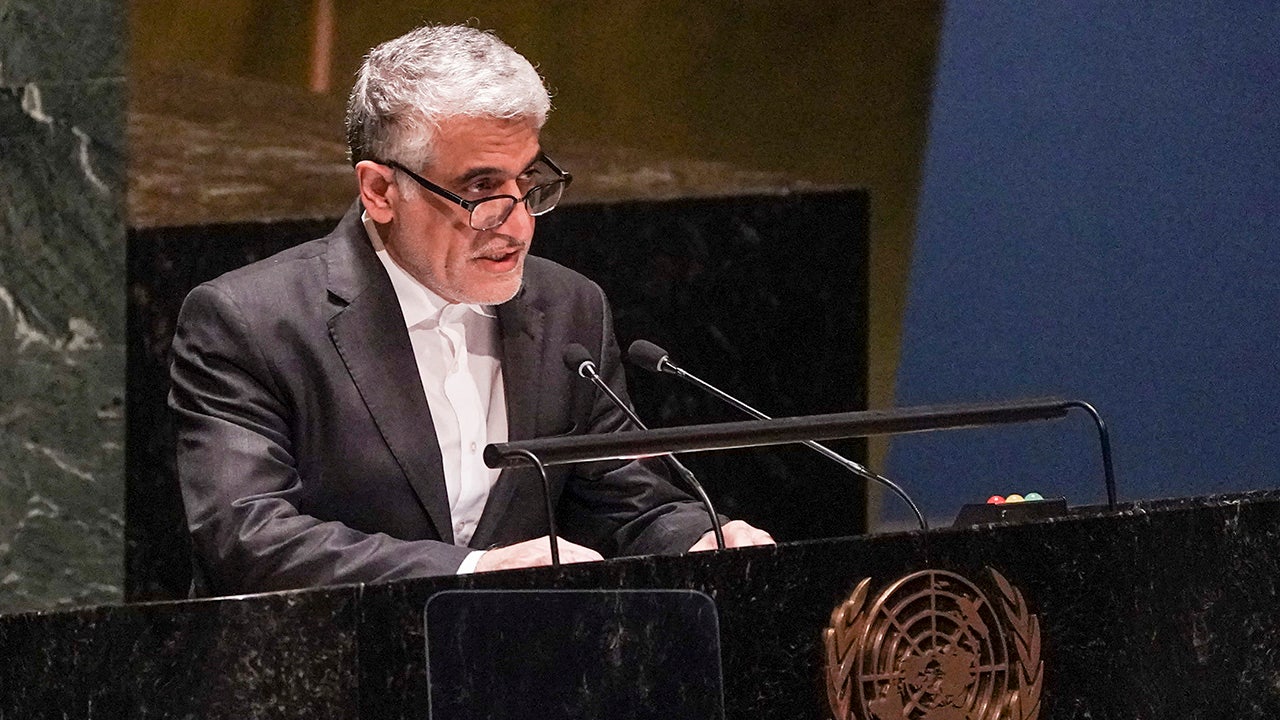
Diplomatic sources in Pakistan confirmed that senior officials from three major regional powers arrived in Islamabad for urgent consultations aimed at de-escalating the conflict. Saudi Arabia's participation is particularly significant given the kingdom's complex relationship with both Iran and Israel, while Egypt's involvement reflects growing concern about the war's impact on regional stability and economic corridors. Turkish officials have indicated their willingness to serve as mediators, drawing on Ankara's relationships with multiple parties to the conflict.
The timing of the diplomatic initiative coincides with increasing international pressure to prevent the conflict from spreading further. Energy markets have remained volatile as traders assess the potential for disruptions to oil and gas supplies transiting through Persian Gulf shipping lanes. Regional airlines have continued to reroute flights around conflict zones, while several Gulf states have quietly reinforced their defensive positions amid fears of expanded Iranian retaliation.
Military analysts note that the current exchange pattern suggests both sides are calibrating their responses to avoid triggering massive escalation while maintaining pressure on their opponents. Israeli officials have indicated their strikes targeted infrastructure rather than population centers, while Iran's retaliatory measures have focused on military and strategic installations. However, the sustained nature of the conflict and the involvement of multiple proxy groups across the region continues to raise concerns about the potential for miscalculation that could dramatically expand the scope of hostilities.