Iran Sends Trump a 10-Point Peace Proposal Demanding Reconstruction Aid and Sanctions Relief
Tehran transmitted its formal counter-offer to Washington via Pakistani mediators, proposing Hormuz safe passage in exchange for reconstruction aid and sanctions relief — but Trump called it 'not good enough.'

Iran transmitted a formal 10-point counter-proposal to Washington via Pakistani diplomatic intermediaries on April 6, 2026, outlining terms under which Tehran would reopen the Strait of Hormuz to international shipping. The proposal represented the first structured Iranian response to President Trump's ultimatums since the conflict began more than a month ago, though Trump dismissed it as 'not good enough,' keeping his Tuesday deadline in place.
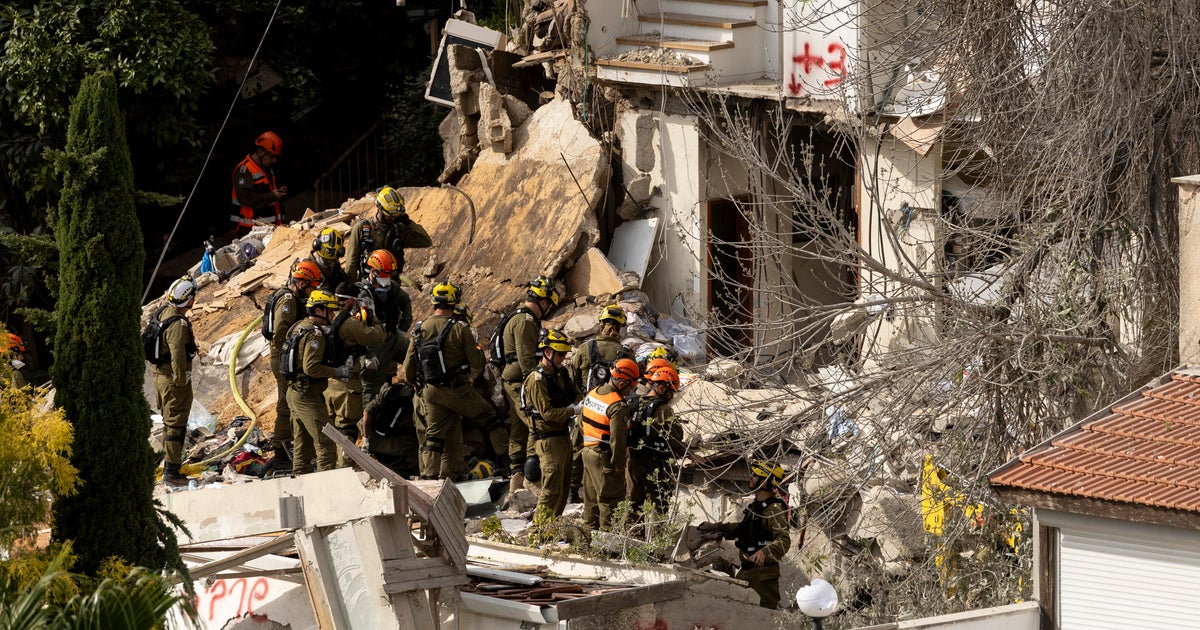
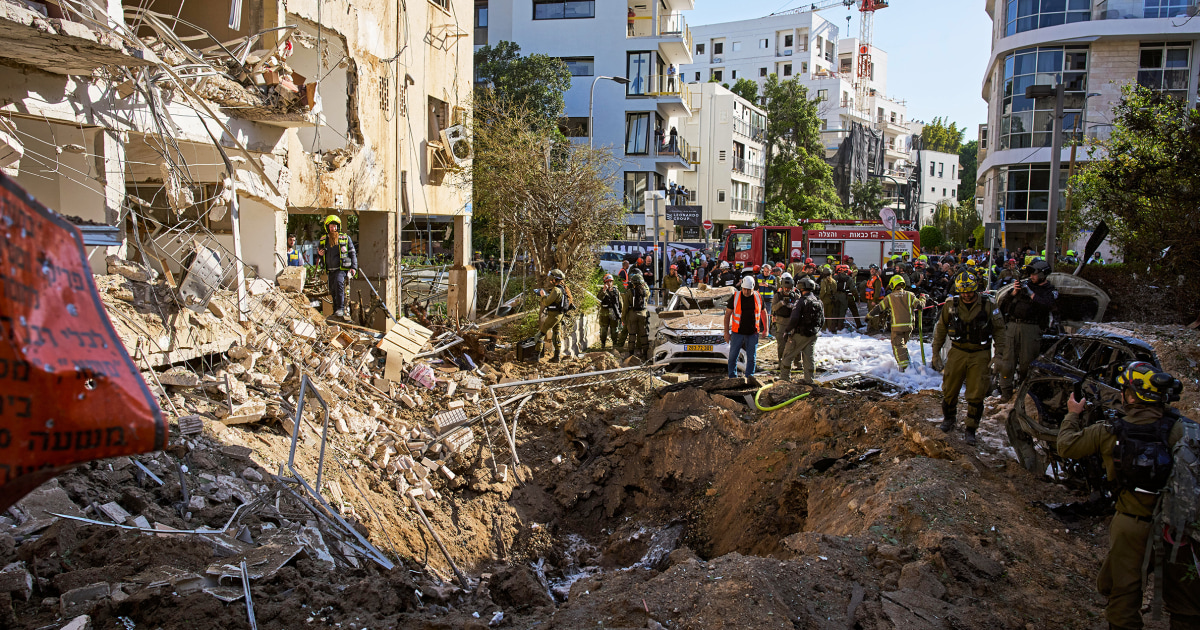
The Iranian proposal included a guarantee that Iran would not face further military attacks, an end to Israeli airstrikes against Hezbollah in Lebanon, the lifting of all economic sanctions, and substantial reconstruction aid for war damage already inflicted. In exchange, Iran offered to reopen the Strait of Hormuz — through which roughly 20 percent of the world's daily oil supply passes — while imposing a $2 million transit fee per ship. Iranian officials framed the terms as the minimum necessary to preserve national dignity after weeks of sustained bombardment.
Pakistani Foreign Minister Shah Mahmood Qureshi played a central role in conveying the Iranian response to White House officials, continuing his country's months-long effort to serve as a back-channel between Washington and Tehran. The Pakistani government has positioned itself as a critical mediator, seeking to prevent a broader regional war that could destabilize South Asia through energy price shocks and refugee flows. Senior U.S. officials indicated they viewed the Pakistani channel as the most viable diplomatic avenue still open.
Trump held a news conference at which he described Iran's response as 'significant' — a notable departure from his previous dismissals of Iranian overtures — but maintained that the terms remained unacceptable. The president did not specify which provisions he found most objectionable, though administration officials later indicated that the $2 million per-ship transit fee and the demand for reconstruction aid were viewed as non-starters. The White House insisted that unconditional reopening of the Strait, without fees or preconditions, remained the baseline American demand.
The proposal's rejection set the stage for Tuesday's escalation, in which Trump set an 8 p.m. Eastern deadline for Iran to capitulate or face what he described as devastating attacks on civilian infrastructure. Oil markets had already surged on news of the proposal's rejection, with Brent crude approaching $110 per barrel. The episode illustrated the fundamental gap between the two sides: Iran seeking to negotiate its way to a face-saving exit, and Trump demanding unconditional compliance with terms that would constitute a significant strategic defeat for Tehran.