Iran Rejects Ceasefire Proposal and Demands Permanent End to War as Trump Hormuz Deadline Expires Tonight
Tehran refused a Pakistan-brokered 45-day ceasefire offer on Monday, demanding instead a permanent end to hostilities with security guarantees, as Trump warned he will strike Iranian power plants and bridges by 8 p.m. Tuesday.
With just hours remaining before his self-imposed Tuesday evening deadline, President Donald Trump said Monday that Iran's latest ceasefire proposal was "significant" but ultimately "not good enough," as Tehran simultaneously rejected a Pakistan-brokered plan for a 45-day ceasefire and vowed it would only accept a permanent, guaranteed end to the war.
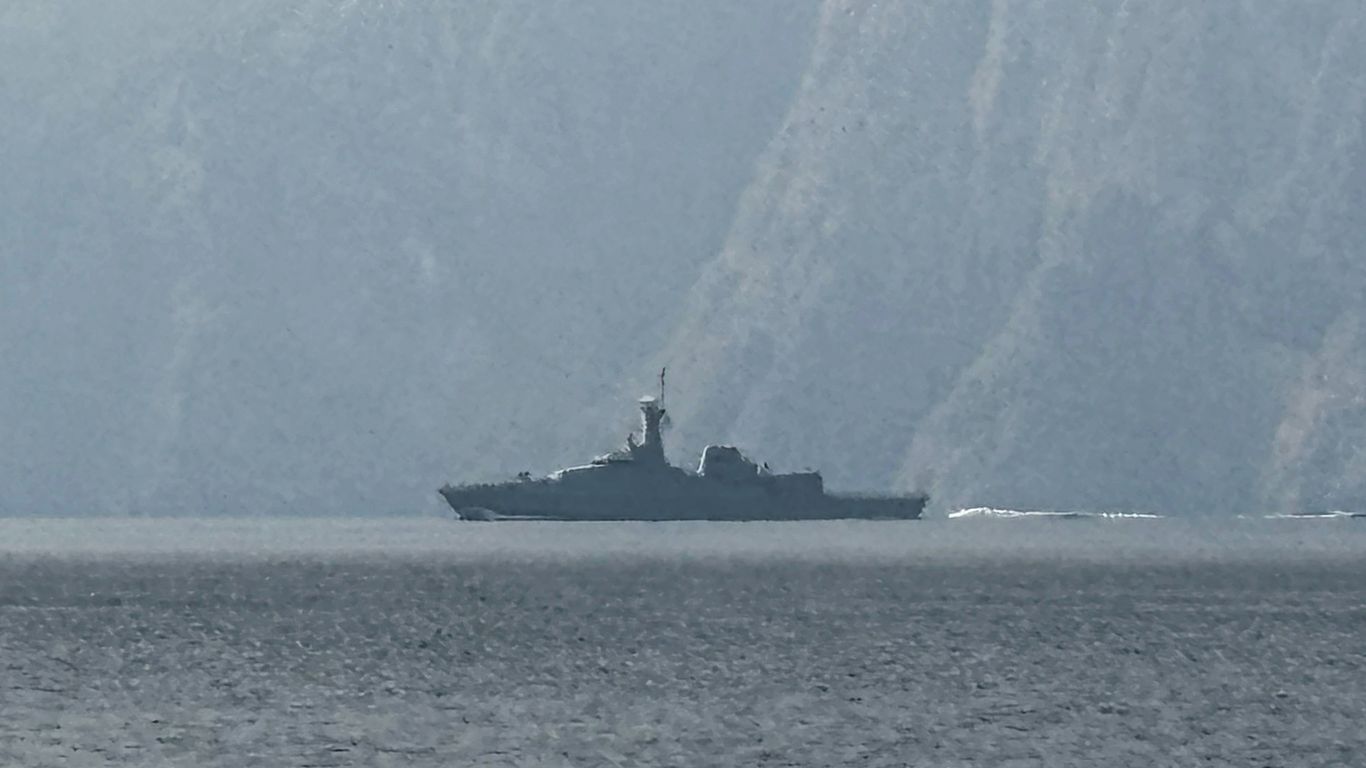
The standoff over the Strait of Hormuz — the narrow waterway through which roughly 20 percent of the world's oil supply flows — has now entered its sixth week, with tanker traffic reduced to near-zero levels and Brent crude hovering near $115 per barrel. Trump set 8 p.m. Eastern Time on Tuesday as his "final deadline" for Iran to reopen the strait, threatening to unleash strikes on the country's power plants and bridges if Tehran refuses.
"If they don't do something by Tuesday evening, they won't have any power plants and they won't have any bridges standing," Trump told reporters at the White House on Monday afternoon. He reiterated his crude warning from a weekend Truth Social post, where he demanded Iran "Open the F***in' Strait, you crazy bastards, or you'll be living in Hell."
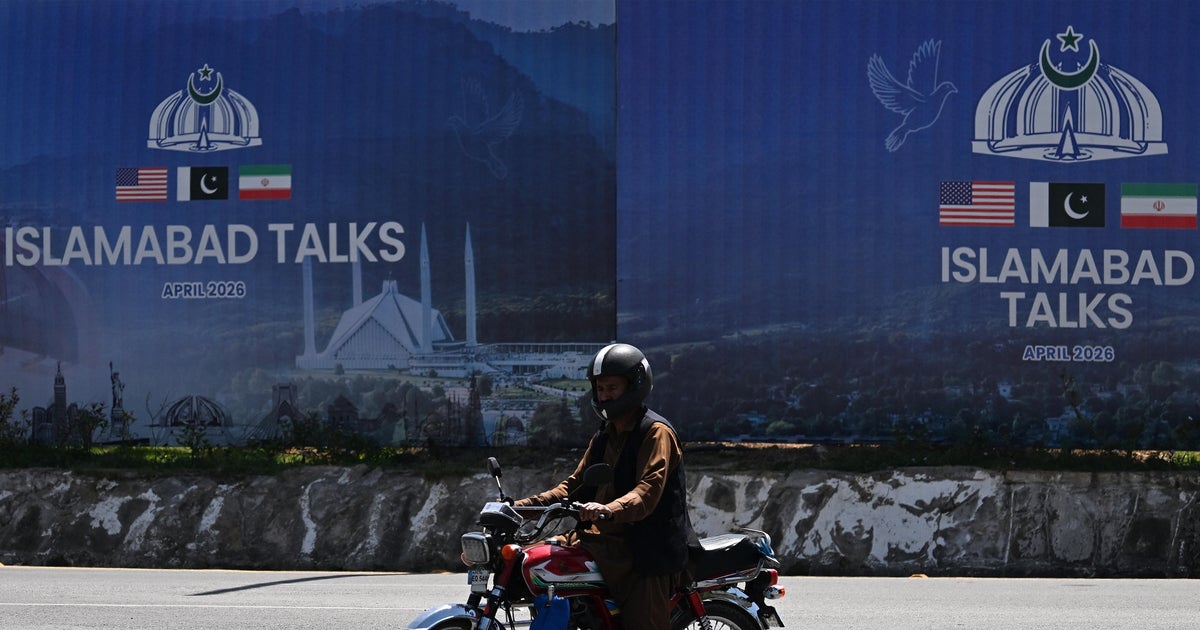
Mediators from Egypt, Pakistan, and Turkey submitted a proposal on Sunday night calling for a 45-day ceasefire tied to the immediate partial reopening of the Strait of Hormuz. But Iran's foreign ministry rejected the offer outright, insisting on nothing short of a permanent end to hostilities. "We won't merely accept a ceasefire," said Mojtaba Ferdousi Pour, head of Iran's diplomatic mission in Cairo, speaking to The Associated Press. "We only accept an end of the war with guarantees that we won't be attacked again."
A senior White House official told NBC News Monday that the 45-day proposal is "one of many things being discussed," but added that Trump has not signed off on any ceasefire framework. The administration says any resolution must include the reopening of Hormuz as a precondition, not a byproduct, of a broader deal.
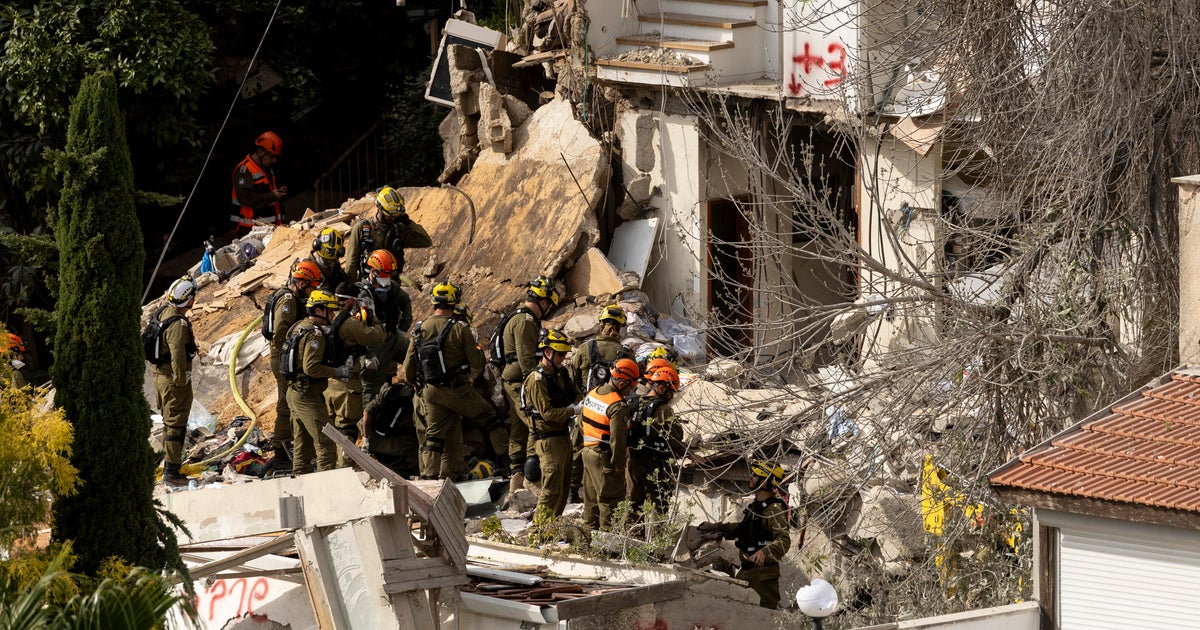
The military situation continued to escalate in the hours surrounding the diplomatic flurry. Israel and the United States carried out coordinated waves of strikes Monday across Iran, killing more than 25 people. Tehran responded by firing ballistic missiles at Israeli cities and Gulf Arab neighbors. Israeli Defense Minister Israel Katz confirmed that Israeli forces killed two top Revolutionary Guards commanders, including IRGC intelligence chief Maj. Gen. Majid Khademi, in overnight precision strikes.
The EU called on all parties to halt attacks on civilian infrastructure, with the bloc's foreign policy chief stating that targeting power plants and bridges "is illegal and unacceptable" under international law. The UN nuclear watchdog separately warned that a recent strike near Bushehr Nuclear Power Plant had landed just 75 meters from the facility's perimeter, calling the escalation near a functioning reactor "deeply concerning."
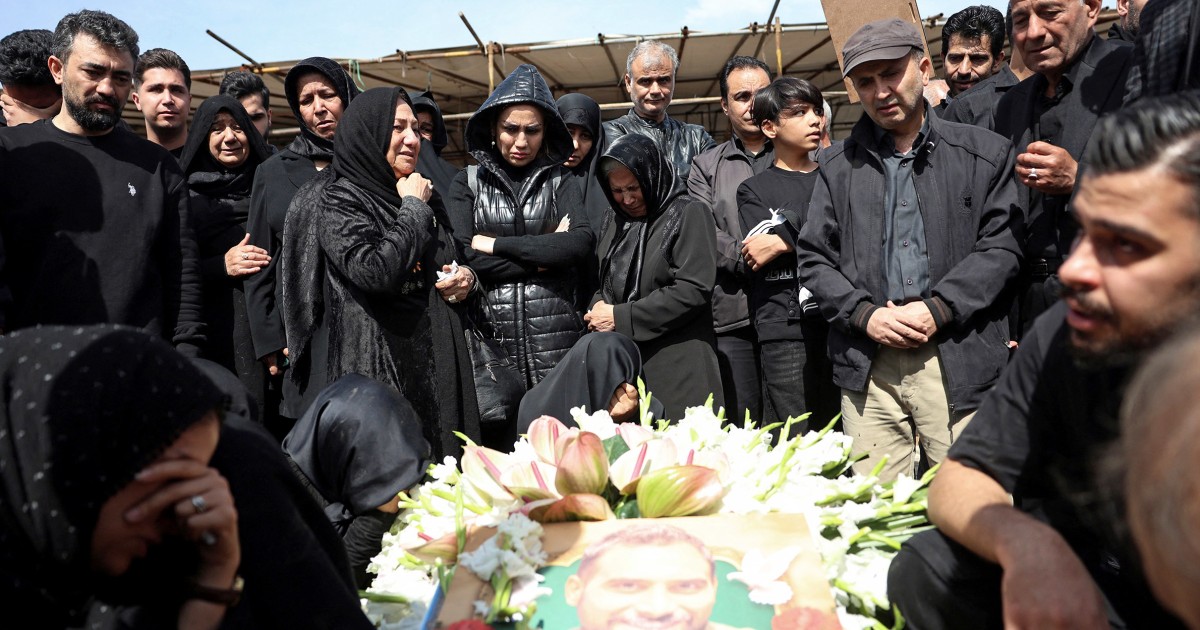
Iran has suffered an estimated 2,000 to 7,000 deaths in the six weeks of fighting, with the opening U.S.-Israeli strike on February 28 killing Supreme Leader Ali Khamenei. New Supreme Leader Mojtaba Khamenei has taken a hardline position, opposing any ceasefire arrangement that does not guarantee Iranian security from future attack. Iran's 10 counter-demands to a U.S. 15-point peace framework included full sanctions relief, a $200 billion reconstruction fund, and internationally verified security guarantees.
The economic consequences of the blockade have rippled far beyond the Persian Gulf. U.S. gas prices now average above $4 per gallon. Airlines have imposed war surcharges, and shipping companies are routing cargo around the Cape of Good Hope, adding weeks to delivery times. Pakistan's Prime Minister, who personally shuttled the ceasefire proposal between the parties, urged both sides to show "maximum restraint," saying the world cannot absorb another month of disruption to global energy markets.