Iran Confirms Death of Security Chief Ali Larijani
Secretary of Iran's Supreme National Security Council was a central figure in the country's wartime leadership
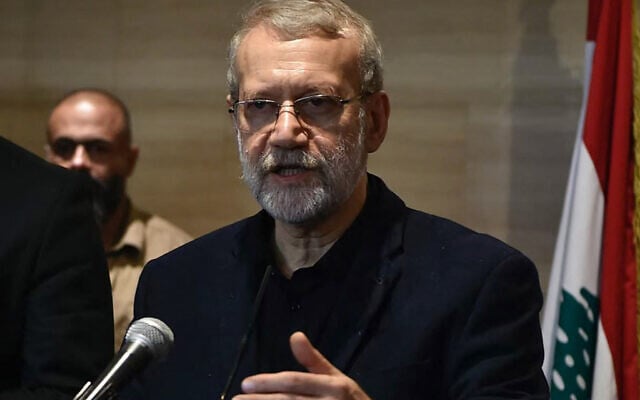
Iran's state media has confirmed the death of Ali Larijani, the secretary of the Supreme National Security Council and one of the most prominent figures in the Islamic Republic's security establishment, according to reports from Tasnim news agency on Monday.
Larijani, a veteran political figure who had served in numerous senior roles across Iran's government over several decades, was widely regarded as a key pillar of the country's wartime leadership structure. His death removes one of the most influential voices in Iranian national security decision-making at a period of acute regional tension. The circumstances surrounding his death were not immediately detailed in initial state media reports.
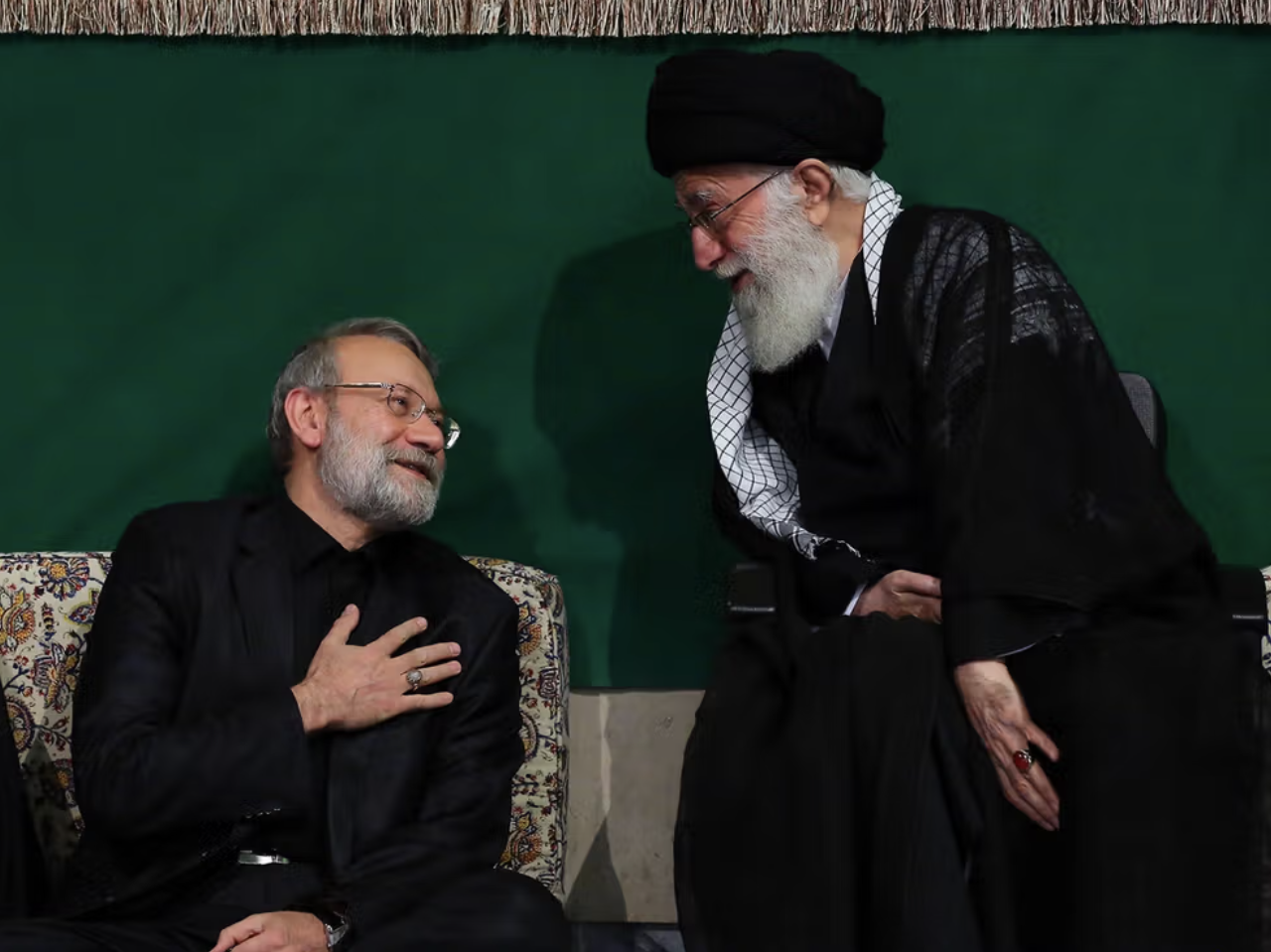
A former speaker of Iran's parliament and onetime presidential candidate, Larijani occupied a unique position at the intersection of Iran's political, diplomatic, and security spheres. As secretary of the Supreme National Security Council — the body that coordinates policy across Iran's military, intelligence, and diplomatic agencies — he played a central role in shaping Tehran's posture on issues ranging from its nuclear program to its network of regional alliances. His close ties to Supreme Leader Ayatollah Ali Khamenei made him one of the most trusted figures in the Islamic Republic's inner circle.
The confirmation of his death is expected to reverberate across the region, where Iran's strategic calculations carry significant weight for conflicts and diplomatic negotiations involving Iraq, Syria, Lebanon, and Yemen. Analysts will be closely watching for signals about his successor and whether the appointment reflects any shift in Tehran's security posture or factional balance of power.
Market observers are monitoring potential impacts on oil prices and broader risk sentiment, given Iran's role as a major crude producer and the sensitivity of energy markets to instability within the country's leadership. Iran's currency and economic outlook, already under pressure from international sanctions, could face additional volatility depending on how smoothly the political transition proceeds.