International Student Enrollment Plunges as Trump Immigration Policies Squeeze U.S. Colleges
Administration's campaign to curtail foreign students hits institutions nationwide, forcing budget cuts and program eliminations across higher education.
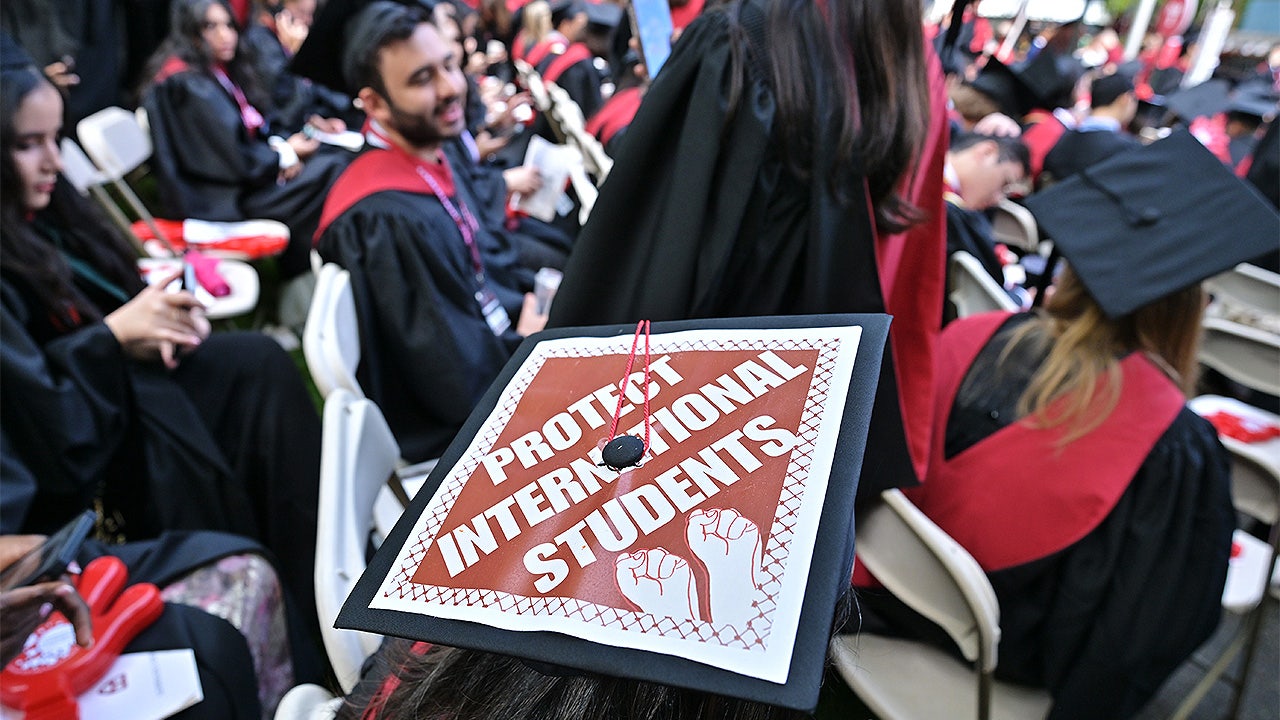
American colleges and universities are facing severe financial strain as international student enrollment continues to plummet under the Trump administration's restrictive immigration policies, with institutions far beyond elite universities now grappling with significant budget shortfalls and program cuts. The administration's systematic campaign to reduce foreign student numbers has created ripple effects throughout higher education, forcing institutions to fundamentally reconsider their financial models and academic offerings.
The enrollment decline represents more than just numbers—international students typically pay full tuition rates and contribute billions of dollars annually to the U.S. economy through their spending on education, housing, and living expenses. Many universities had relied heavily on revenue from international students to subsidize domestic programs and maintain facility operations. As this funding source diminishes, institutions are being forced to eliminate faculty positions, reduce course offerings, and delay capital improvements.
The Trump administration's policies targeting international students include stricter visa requirements, longer processing times, and increased scrutiny of student applications. These measures have made it more difficult and expensive for foreign students to obtain the necessary documentation to study in the United States, while creating uncertainty about their ability to complete their programs or pursue post-graduation employment opportunities. The cumulative effect has pushed many prospective students toward alternative destinations such as Canada, Australia, and European countries.
Smaller and mid-tier institutions have been particularly hard hit by the enrollment declines, as they lack the financial reserves and diverse revenue streams of major research universities. Community colleges and regional universities that had expanded international programs in recent years are now facing difficult decisions about whether to maintain these initiatives or redirect resources toward domestic recruitment efforts. Some institutions have already announced the closure of international student support services and study abroad programs.
The long-term implications of reduced international enrollment extend beyond immediate financial concerns to questions about American competitiveness in global education markets and research collaboration. Universities argue that international students enhance the educational experience for all students while contributing to research and innovation. Industry experts warn that sustained declines in international enrollment could undermine America's position as a global leader in higher education and reduce cross-cultural exchange that has historically strengthened diplomatic and economic relationships with other nations.