ICE Arrests Leave Texas Children to Raise Siblings as Parents Face Detention
Families across Texas grapple with new reality as immigration enforcement separates children from detained parents, forcing siblings to take on caregiver roles.

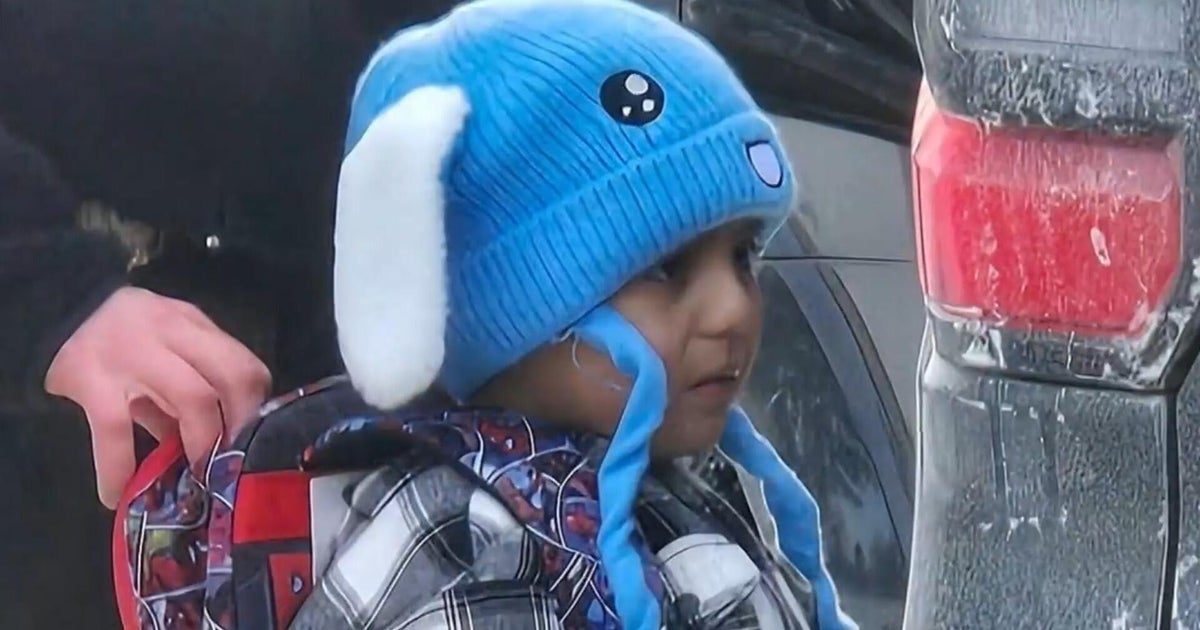
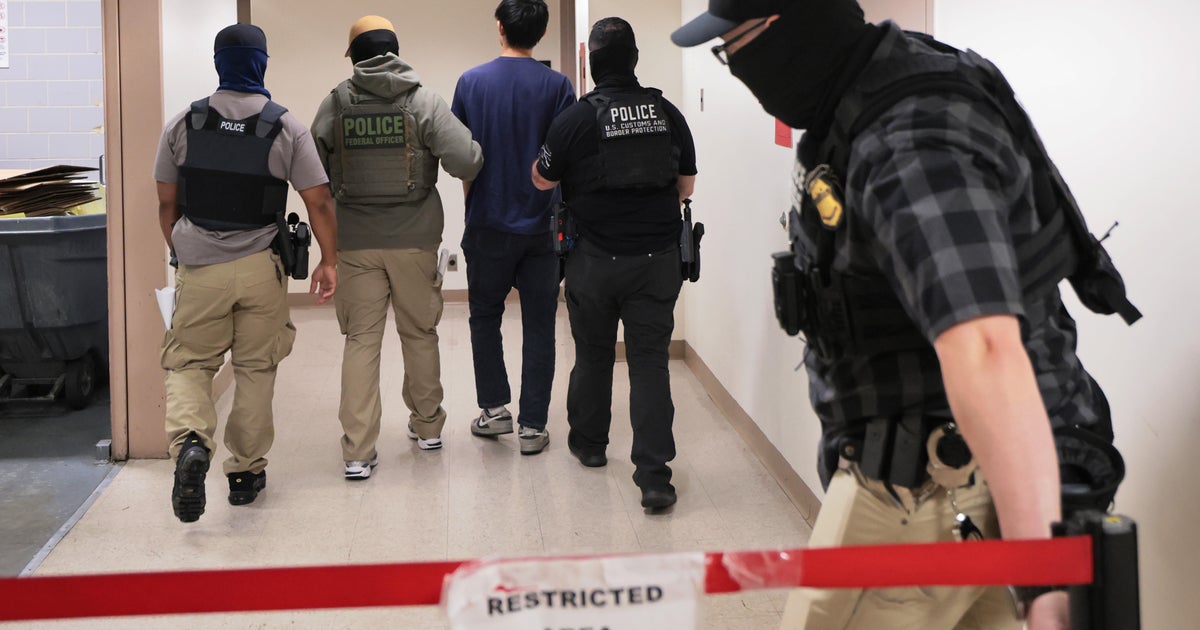
Andrea García and her siblings are living in a home fundamentally transformed by fear, loss, and responsibilities no children should have to bear. Their parents were among hundreds detained in recent ICE operations across Texas, leaving the children to navigate daily life while caring for one another in an environment reshaped by the Trump administration's intensified immigration enforcement policies.
The García family's situation reflects a growing crisis across Texas, where Immigration and Customs Enforcement arrests have separated numerous families, often with little advance warning or preparation time. Children as young as elementary school age are suddenly thrust into roles as primary caregivers for younger siblings, managing everything from meal preparation to ensuring school attendance while processing the trauma of their parents' sudden disappearance from their lives.
Immigration advocates report that the current wave of arrests is part of Stephen Miller's broader immigration agenda, which he has described as seeking "a moratorium on immigration from third world countries until we can heal ourselves as a nation." Miller, the architect of President Trump's mass deportation campaign, continues to pursue these policies despite criticism from child welfare organizations about the impact on American citizen children who remain in the United States.
The practical challenges facing families like the Garcías extend far beyond emotional trauma. Children must suddenly handle household finances, navigate complex school systems without parental support, and make critical decisions about medical care and housing stability. Many of these children are U.S. citizens by birth, creating a legal complexity where American children are effectively orphaned by the detention of their undocumented parents.
Child welfare experts warn that the long-term psychological and developmental impacts of these family separations could affect an entire generation of children. The stress of assuming adult responsibilities while processing parental loss creates conditions that can impact educational achievement, mental health, and future economic prospects. Legal aid organizations report being overwhelmed by cases involving children seeking to reunite with detained parents or secure basic necessities for their newly parentless households.