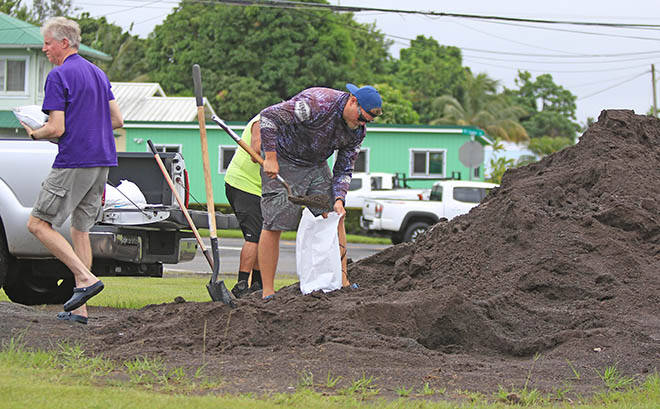
Hawaii's Worst Flooding in 20 Years Threatens 120-Year-Old Dam, Forces Mass Evacuations on Oahu
At least 5,500 residents were ordered to flee their homes on Oahu's North Shore after 8 to 12 inches of rain triggered historic flooding, airlifting 72 children from a youth camp and raising alarms about a dam built in 1906.
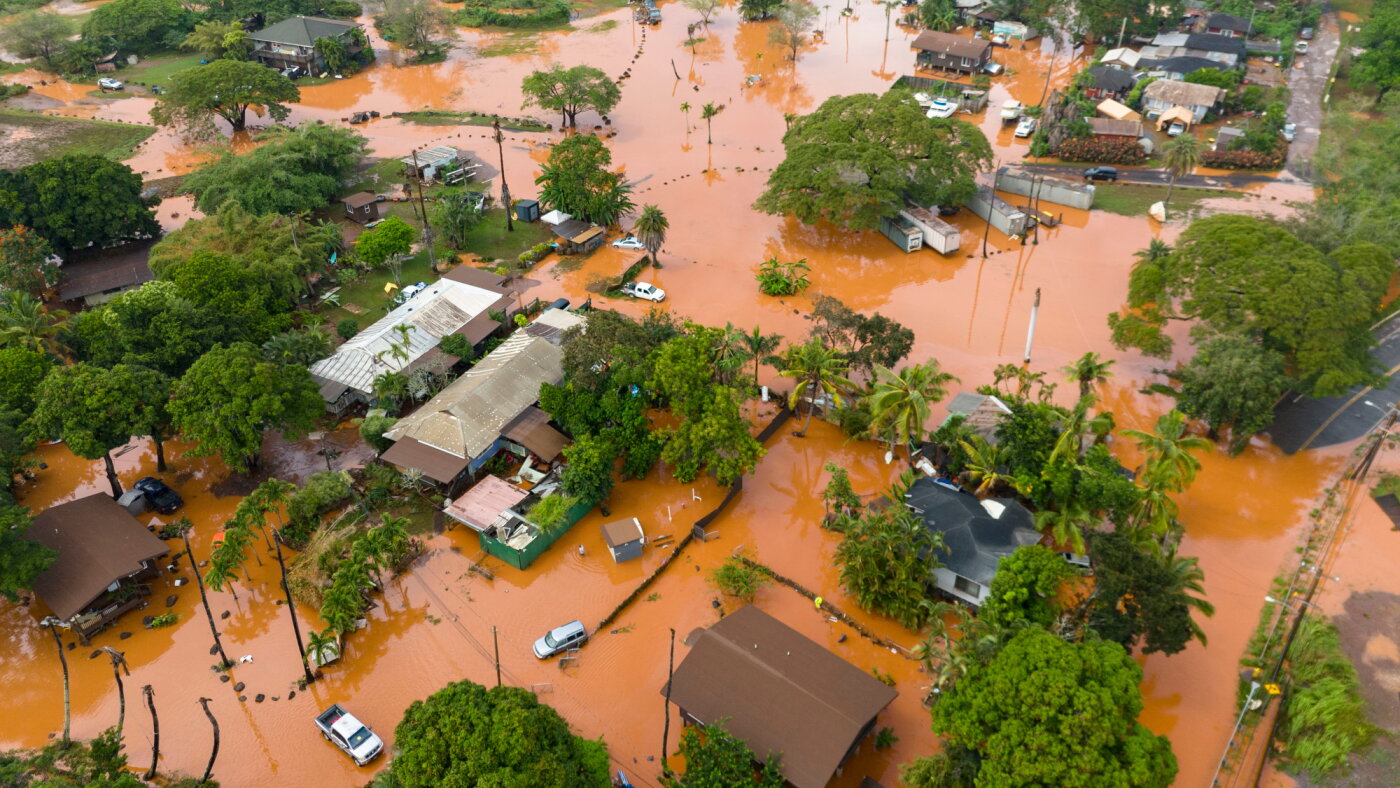
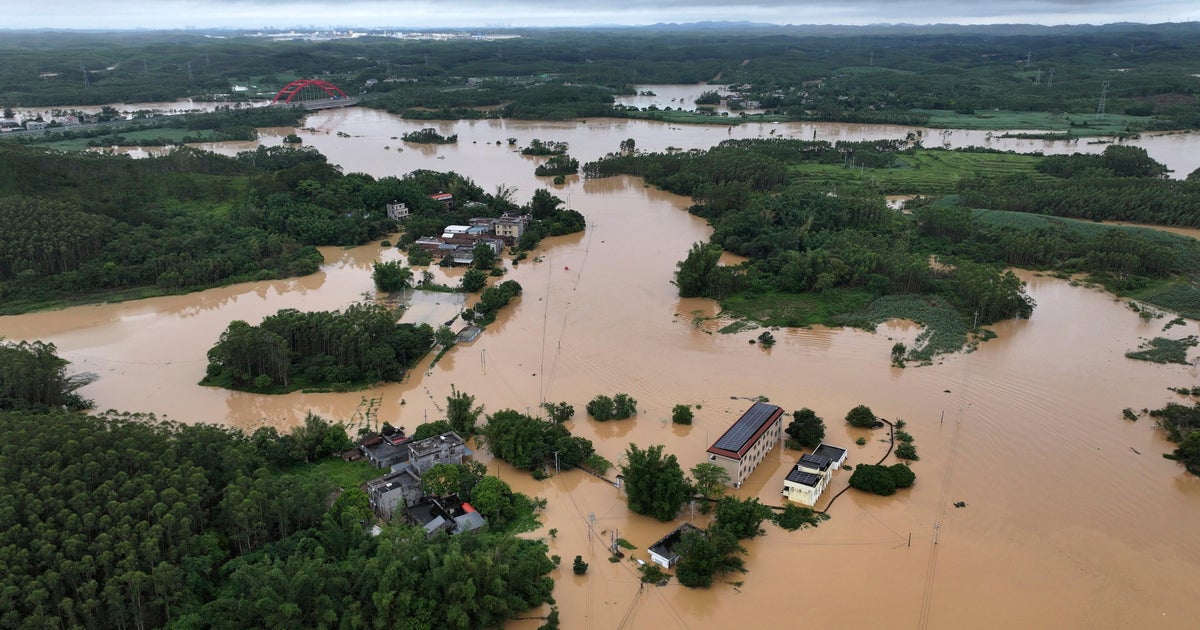
A deluge that meteorologists are calling the worst to hit Hawaii in more than 20 years slammed the island of Oahu this week, forcing mass evacuations on the North Shore, triggering a life-threatening scare at a 120-year-old dam, and leaving officials grappling with damage estimates that could exceed $1 billion. Between 8 and 12 inches of rain fell on parts of the island in under 24 hours, overwhelming drainage systems already saturated by a separate storm just one week earlier.
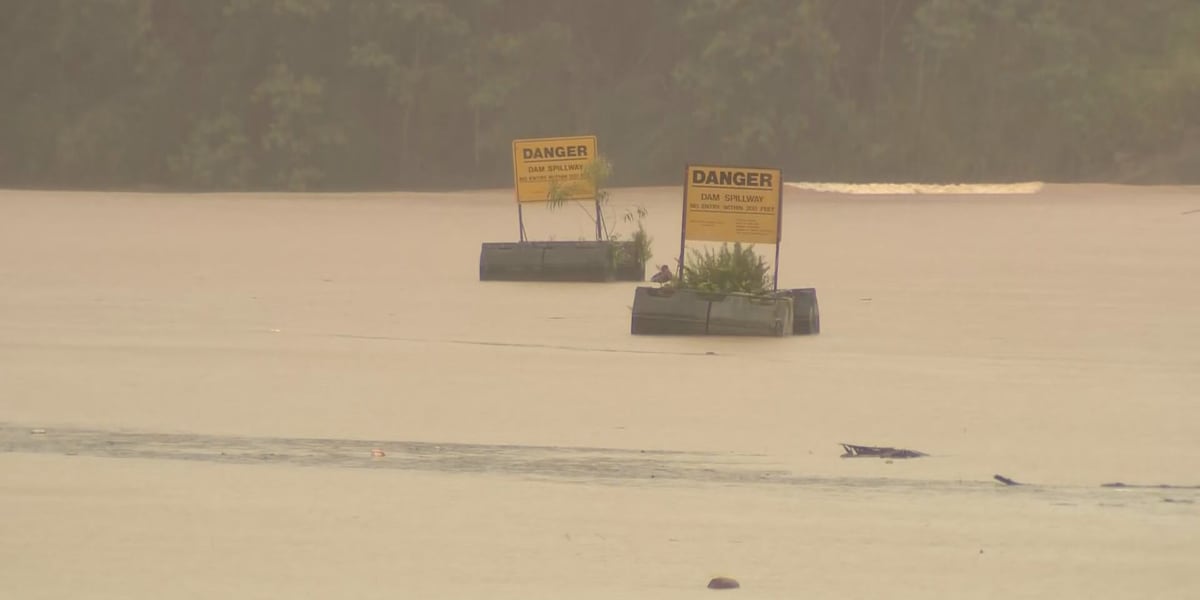
At the peak of the crisis, the Wahiawa Dam — a structure built in 1906 that sits approximately 17 miles northwest of Honolulu — showed signs of stress that prompted emergency alerts across the entire North Shore watershed. The dam, owned and operated by Dole Food Company, had already drawn scrutiny from state regulators: the state had fined Dole $20,000 five years earlier for dam safety deficiencies at the same location. As water levels surged on Friday, emergency managers issued urgent warnings to residents downstream, setting off a rapid evacuation of the town of Waialua and surrounding communities. Those evacuation orders were ultimately lifted once water levels stabilized, but not before thousands of residents had already fled their homes.
All told, roughly 5,500 people were ordered to evacuate from North Shore communities, according to the Honolulu Emergency Management Agency. More than 200 people were rescued from rising floodwaters by emergency crews working in boats and helicopters. In one of the more dramatic rescues of the event, 72 children and adult counselors were airlifted by helicopter from a youth camp that had been completely cut off by the flooding. No deaths were reported and no one was listed as unaccounted for by Saturday evening, a fact that emergency managers credited to early warning systems and swift action by first responders.
"Don't let your guard down just yet — there's still potential for more flooding impacts," meteorologist Tina Stall warned residents via the National Weather Service Honolulu office as the storm continued to move through the region. Farmers on the North Shore counted some of the heaviest individual losses. "There was so much water, I cannot even express," said Racquel Achiu, whose property was inundated. Agricultural land across the area was submerged under feet of muddy water, with crop losses still being tallied. State officials said preliminary estimates suggest total damages — including damage to roads, bridges, agricultural operations, and private property — could top $1 billion, which would make it one of the costliest weather events in Hawaii's history. The last flooding disaster of comparable magnitude struck Oahu in 2004.
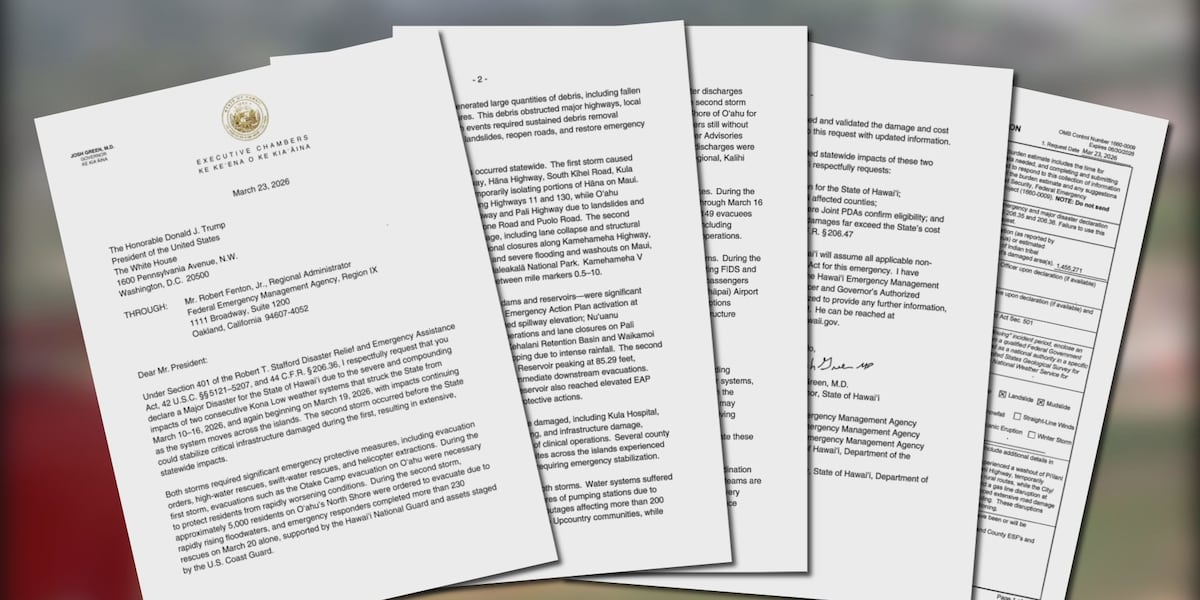
The storm reignited longstanding concerns about the age and condition of water infrastructure on the Hawaiian islands, where a number of dams predate modern safety standards by decades. The Wahiawa Dam, which at 120 years old falls among the oldest major structures in the state, has been a recurring subject of regulatory attention. State officials are expected to open a new inspection and review process in the coming weeks. Governor Josh Green declared a state of emergency for Oahu, releasing funds for disaster response and opening the path for federal assistance. The White House said the Federal Emergency Management Agency was in contact with state officials and monitoring the situation closely.