Hawaii Governor Requests Federal Disaster Declaration After 'Worst Flooding in 20 Years' Causes $1 Billion in Damage
Back-to-back Kona Low storms dropped up to 46 inches of rain in five days on Maui, forced 236 rescues on Oahu, and set a Honolulu single-day rainfall record that stood since 1951.
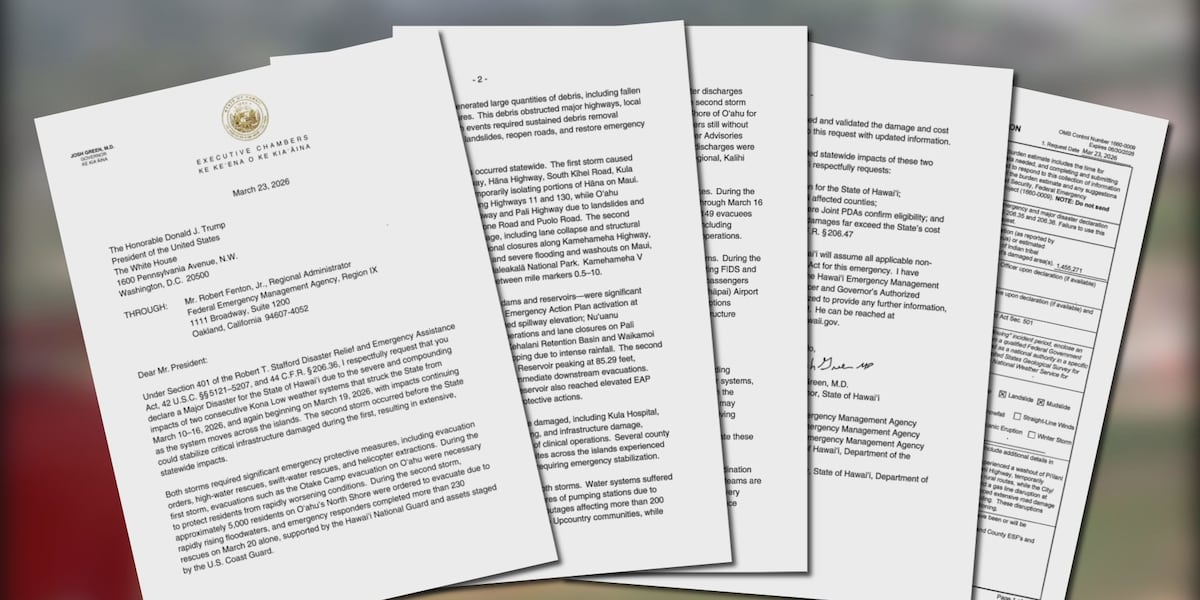
Governor Josh Green of Hawaii submitted a formal Major Disaster Declaration request to President Trump on Monday, asking for federal assistance after back-to-back Kona Low storms pummeled the island chain throughout March, causing at least $1 billion in damage in what officials are calling the worst flooding Hawaii has experienced in more than 20 years. The storms, which struck in two waves — the first from March 10 through 16 and the second beginning March 19 — deluged parts of Maui with up to 46 inches of rain in just five days and produced wind gusts exceeding 100 miles per hour. Honolulu broke a single-day rainfall record that had stood since 1951.
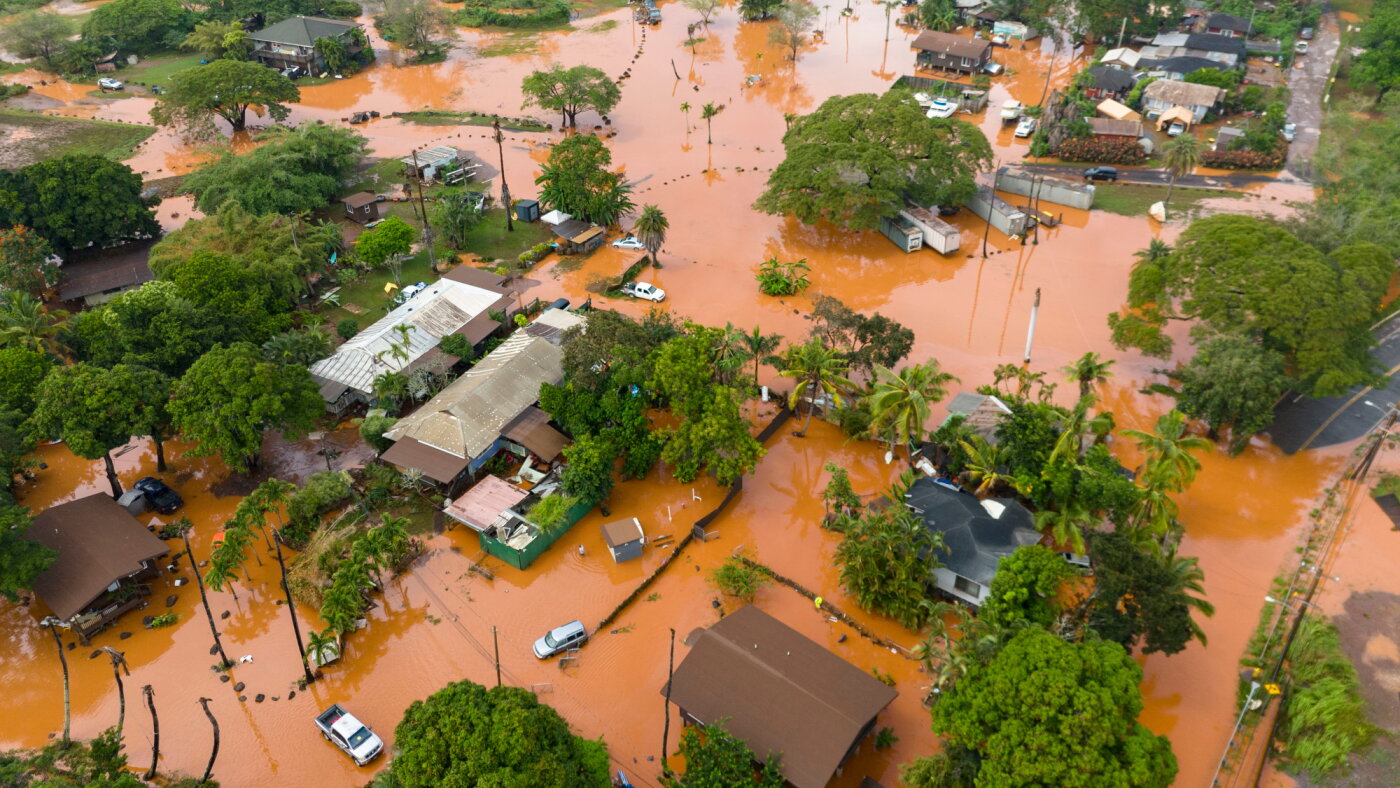
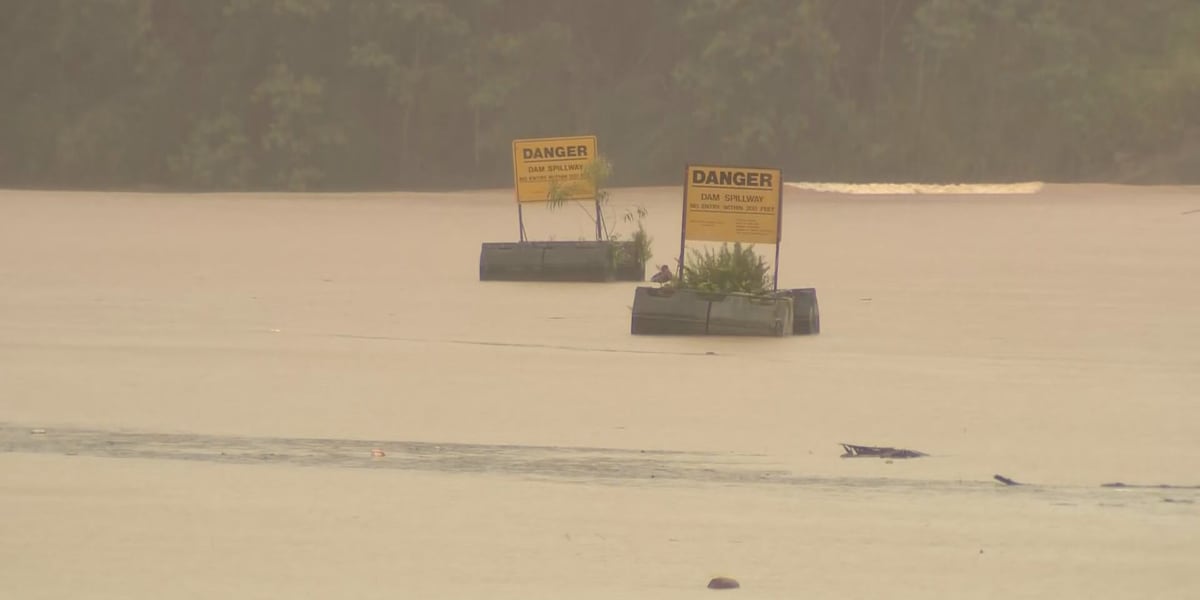
The scale of destruction across the Hawaiian Islands has been staggering. More than 236 people were rescued from flood waters on the island of Oahu alone, with evacuation orders affecting approximately 5,500 residents across multiple communities. Kula Hospital on Maui was forced to evacuate patients after the facility sustained flooding and structural damage, one of several critical infrastructure failures that underscored the storms' severity. Roads washed out, bridges collapsed, and entire neighborhoods were submerged as rivers overflowed their banks across all of the major islands.
Governor Green's federal disaster declaration request has the full support of Hawaii's congressional delegation, with Senators Mazie Hirono and Brian Schatz formally endorsing the application and calling for expedited review given the extraordinary circumstances. A declaration from President Trump would unlock federal assistance programs that could provide up to a 90 percent federal cost-sharing arrangement for recovery expenses, along with individual assistance funds for displaced residents and hazard mitigation grants to reduce future flood risk. The Federal Emergency Management Agency has already deployed teams to conduct joint damage assessments across the affected areas.
The economic impact has been severe. The tourism industry, which forms the backbone of Hawaii's economy, has been disrupted by closed roads and washed-out transportation links, while the agricultural sector has suffered extensive crop losses. Insurance adjusters have begun evaluating thousands of damage claims, though officials caution that the $1 billion estimate for the first storm alone may prove conservative as assessments continue. Some communities on Maui and Oahu will require months of infrastructure repair before they are fully accessible again. Several famous hiking trails and scenic routes have been completely destroyed.
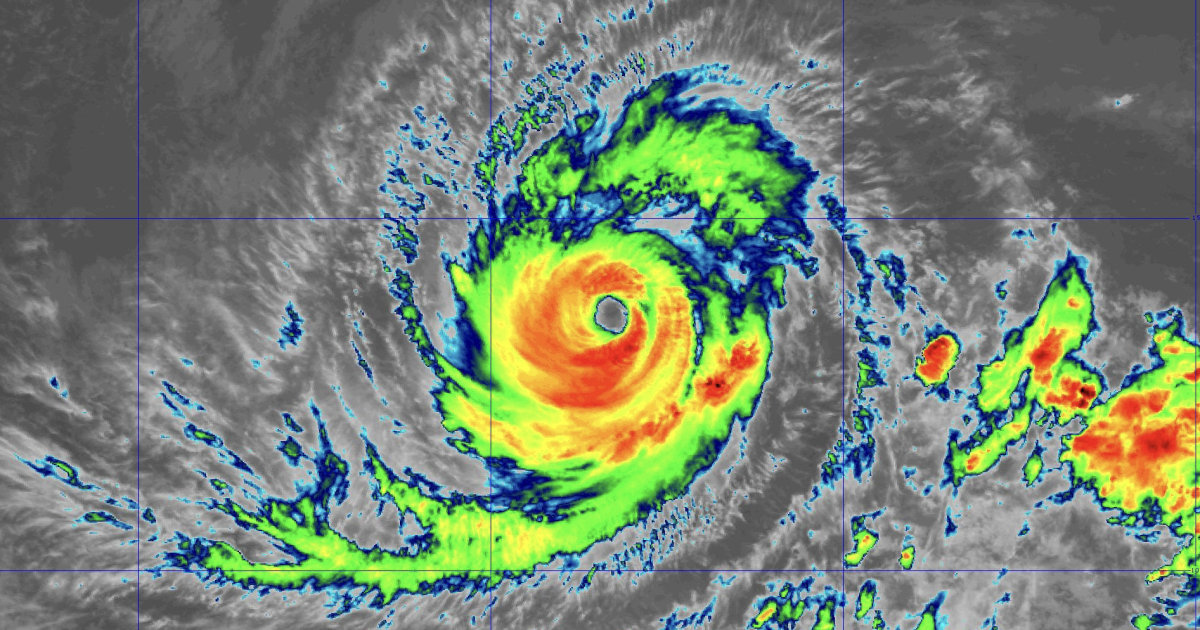
Climate scientists have warned for years that Hawaii's geography makes it increasingly vulnerable to intensified Kona Low storms as ocean temperatures rise. A Kona Low is a type of cyclonic storm system that develops in the subtropics and moves in an unusual direction compared to typical Pacific weather systems. When aligned with atmospheric rivers carrying exceptional moisture content — conditions that have become more common in recent decades — these systems can produce rainfall totals that overwhelm any drainage infrastructure. Governor Green has explicitly tied the storms to climate change, calling for increased federal investment in climate resilience infrastructure for island communities that face disproportionate exposure to extreme weather events.