Goldman Sachs Raises U.S. Recession Odds to 25% as Iran War Hammers Jobs and Markets
A devastating February jobs report showing 92,000 positions lost and oil prices above $110 a barrel have Wall Street on edge, with half of Russell 3000 stocks down 20% from their highs.
Goldman Sachs raised its probability of a U.S. recession within the next twelve months to 25 percent, the investment bank's economists announced, citing the double shock of surging oil prices driven by the Iran war and a sharply disappointing February jobs report that showed the economy shed 92,000 positions — the worst monthly reading since the early months of the COVID-19 pandemic. The warning from one of Wall Street's most closely watched forecasters added to growing anxiety among investors, consumers, and policymakers about the health of an economy already strained by elevated interest rates and the disruption to global energy markets.
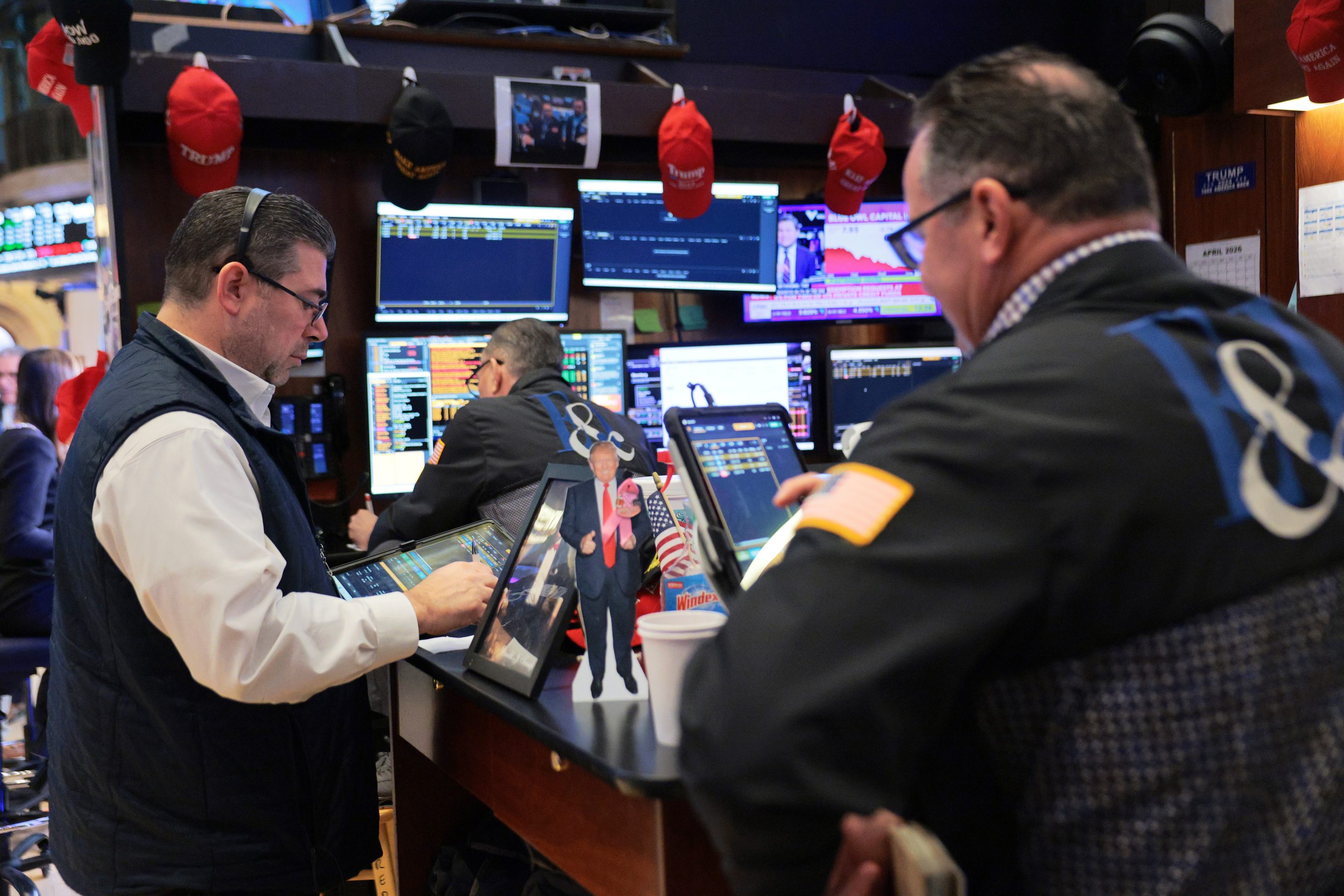
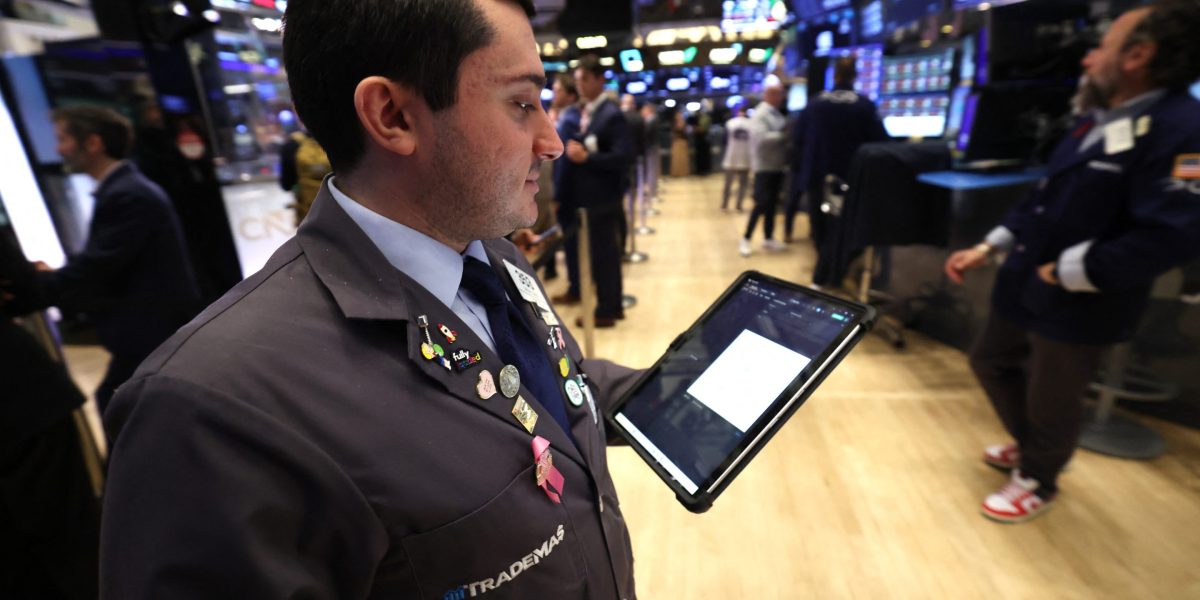
Market data underscored the concern. The S&P 500 has fallen approximately 3 percent from its 2026 high, but the damage beneath the surface has been far more severe. More than half of all stocks in the Russell 3000 index — which tracks large, mid, and small-cap American companies — are now down at least 20 percent from their 52-week highs. Among S&P 500 members, the figure exceeds 40 percent. The divergence between a headline index propped up by large technology companies and the broader erosion among smaller firms is a pattern that has historically preceded recessions.
Moody's chief economist Mark Zandi warned in a note to clients that sustained oil prices above $100 per barrel, combined with continued disruption to the Strait of Hormuz, could be sufficient to tip the U.S. economy into contraction even without a further deterioration in consumer or business confidence. A New York Federal Reserve model currently puts the probability of a recession beginning before January 2027 at 18.7 percent — lower than Goldman's estimate, but up sharply from single-digit readings six months ago. Prediction market platforms put the odds slightly higher, at roughly 29 percent.
The political dimensions of a potential economic downturn are significant. A Pew Research Center survey conducted in February 2026 found that 72 percent of Americans hold a negative view of the current state of the economy, with gas prices — up more than 30 percent in some states since the outbreak of the Iran war — cited as the most commonly felt pressure. President Trump has repeatedly pointed to pre-war economic indicators to argue that his economic record is strong, but the administration has acknowledged that the conflict with Iran has created 'short-term disruptions' that could weigh on growth in the first half of 2026.
GDP grew by 2.2 percent in 2025, the slowest pace since the pandemic year of 2020, and early forecasts for the first quarter of 2026 have been revised downward by multiple major banks in recent weeks. The Federal Reserve faces a difficult balancing act: inflation, partly driven by oil prices, has ticked back up toward 3.5 percent, reducing the space for interest rate cuts that might otherwise cushion the economy. Fed Chair Jerome Powell, in testimony before the Senate Banking Committee last week, said the central bank was monitoring the situation closely but gave no indication of imminent policy changes, saying the uncertainty created by the Iran conflict made it 'particularly difficult to offer confident near-term projections.'